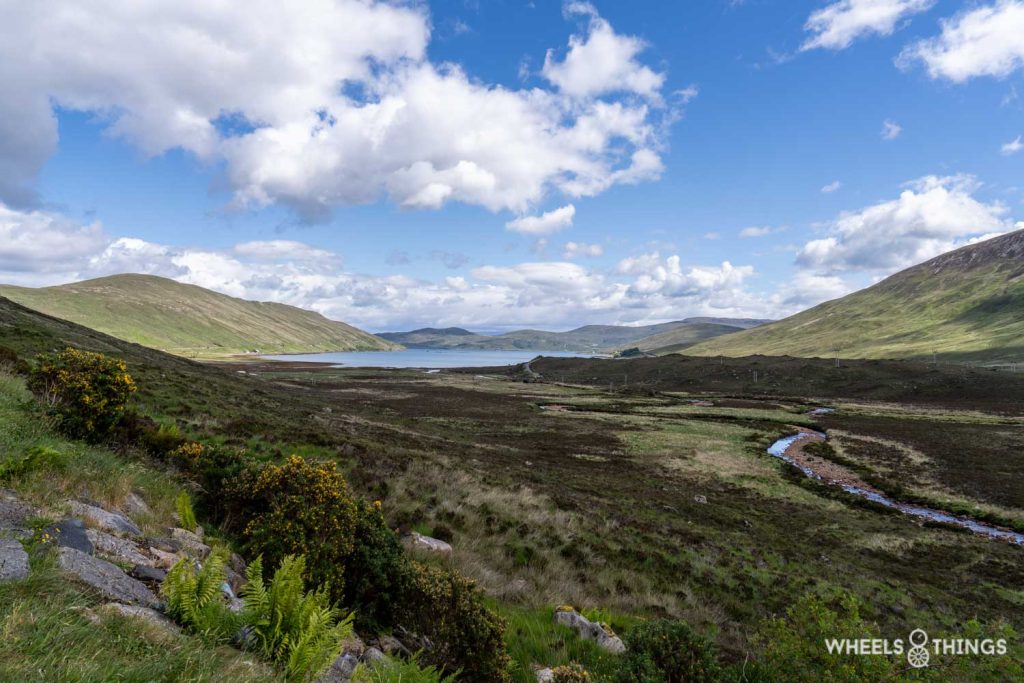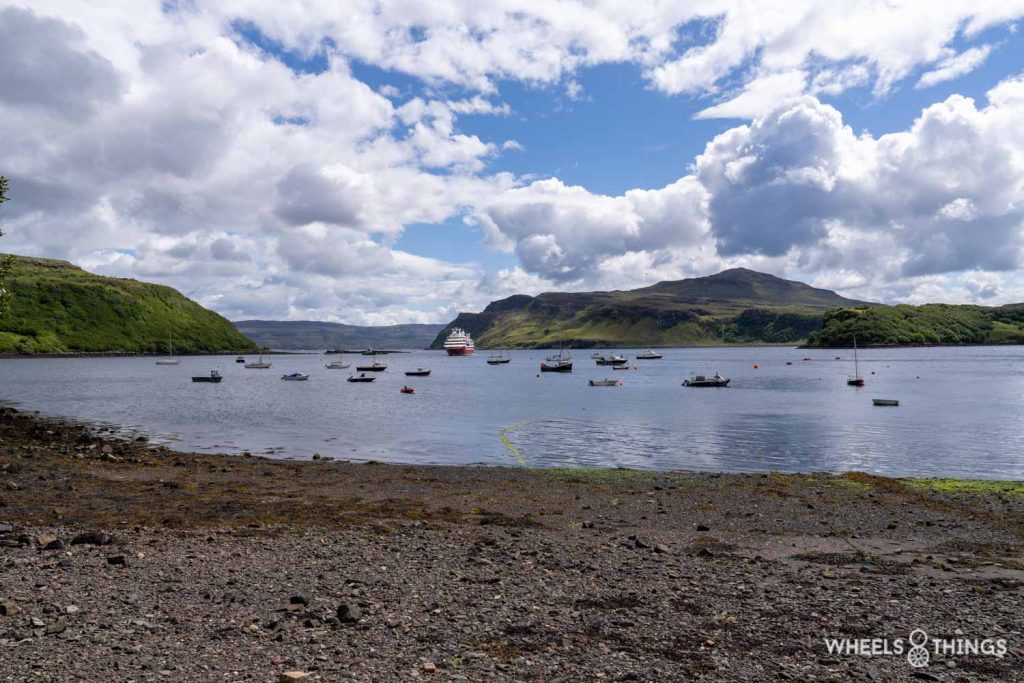
Part two of our road trip through the UK and Scotland is the most beautiful part for us. We cross Scotland, visit the Isle of Skye and drive a large part of the NC500.
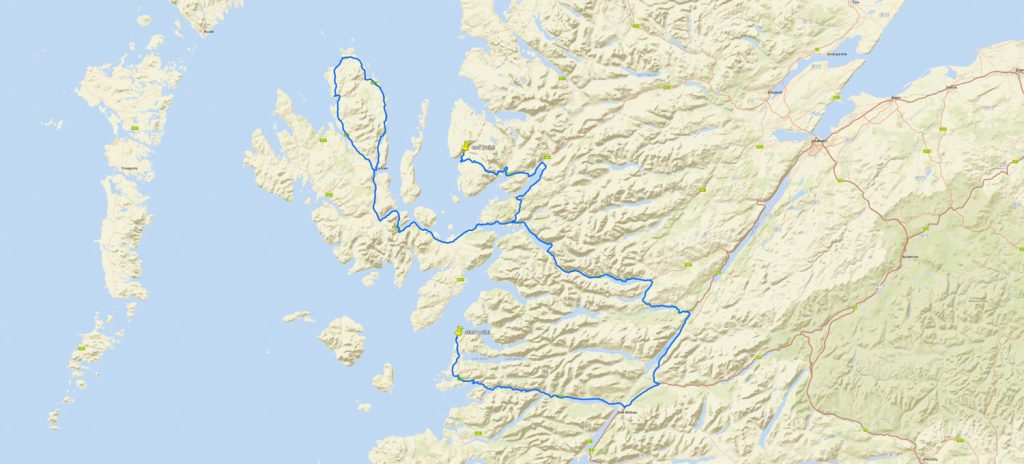
Day 5: Mallaig – Sky – Applecross 434km
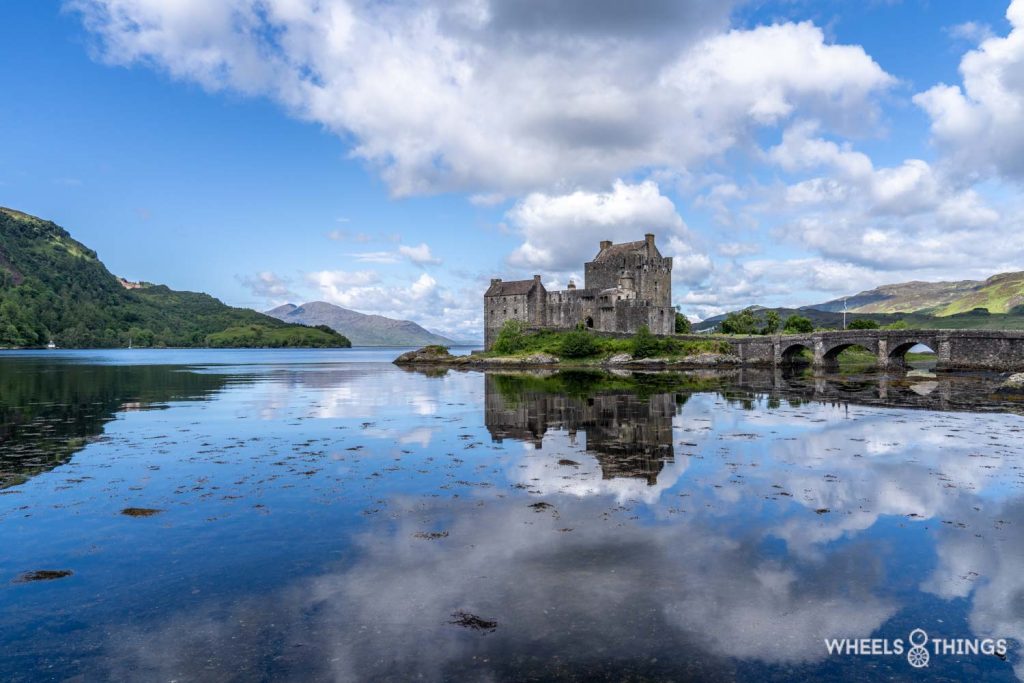
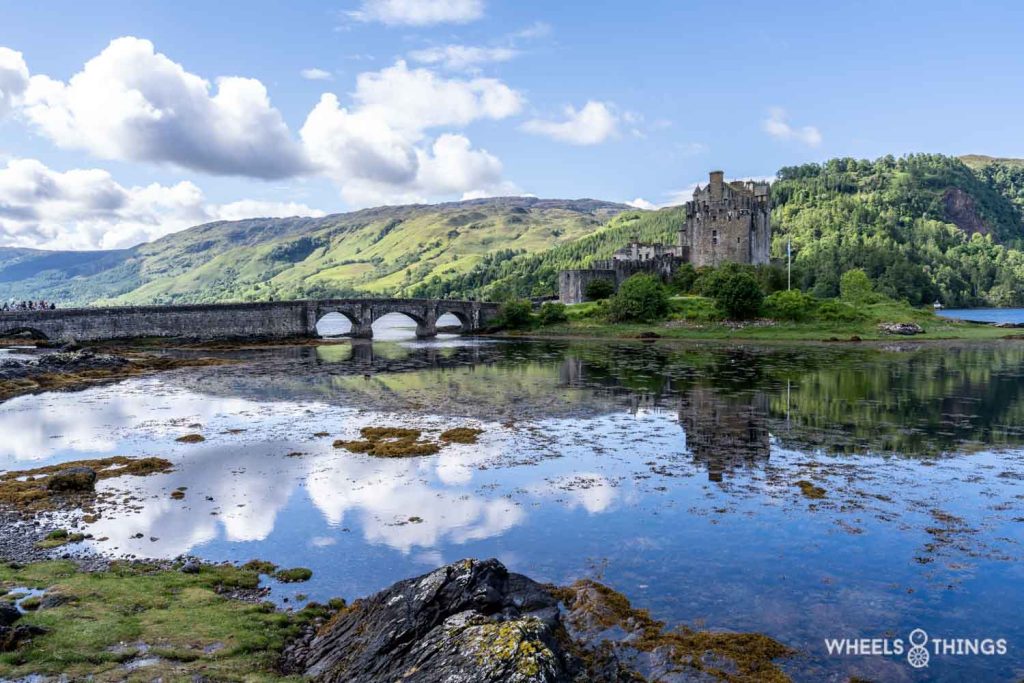
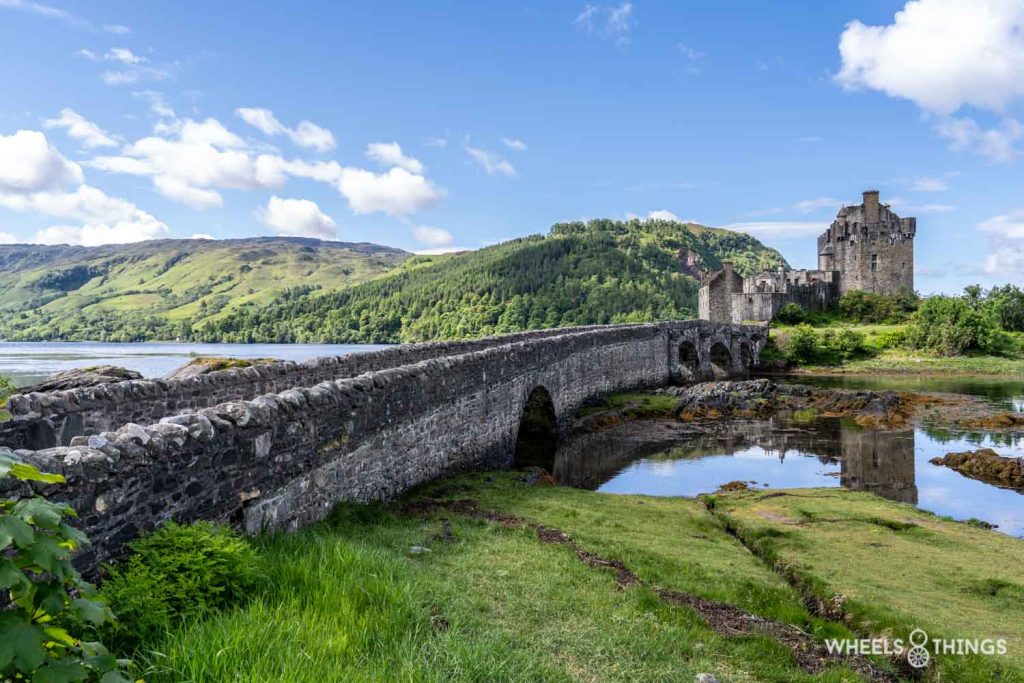
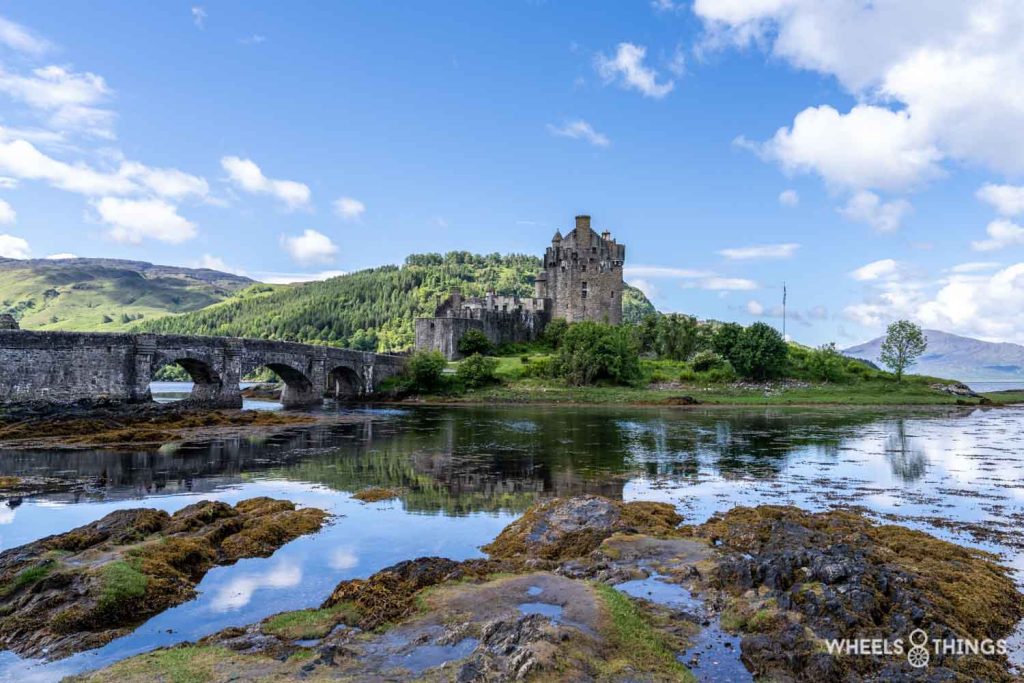
After a good night’s sleep in the homepod at Mallaig harbour, we start with Eilean Donan. It is a world-famous iconic Scottish castle on a small island in Loch Duich. It was originally a 13th-century fortress that was destroyed after a Jacobite uprising in 1719 and only fully restored in the early 20th century.
Eilean Donan
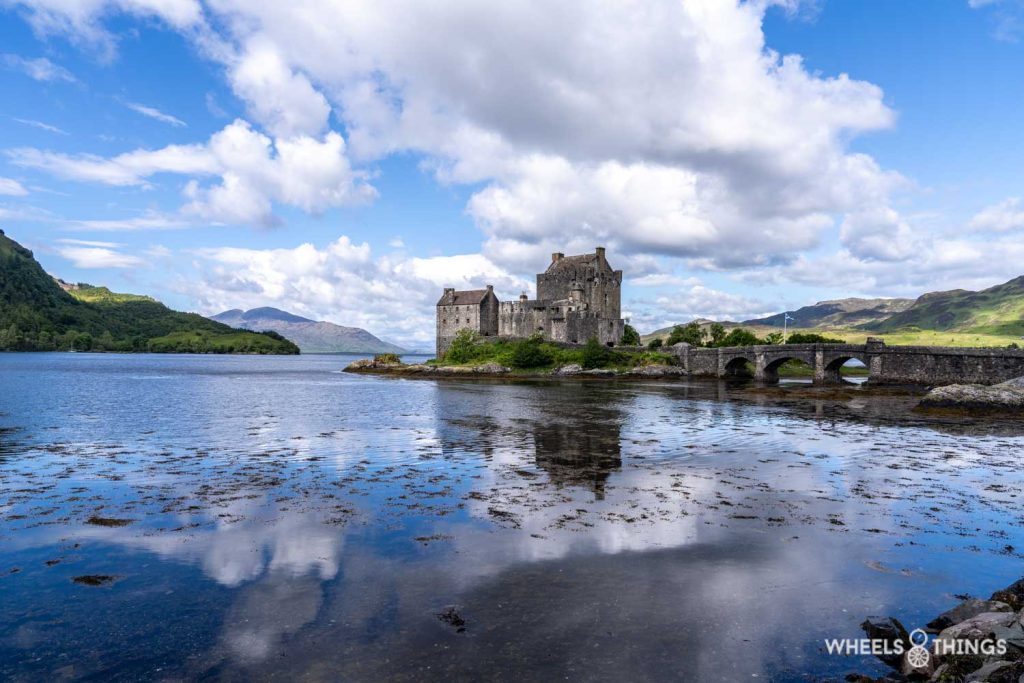
This was by far the busiest place we visited in Scotland. The castle itself is also open to visitors, but the queue was a bit too long for us to waste a few hours there.
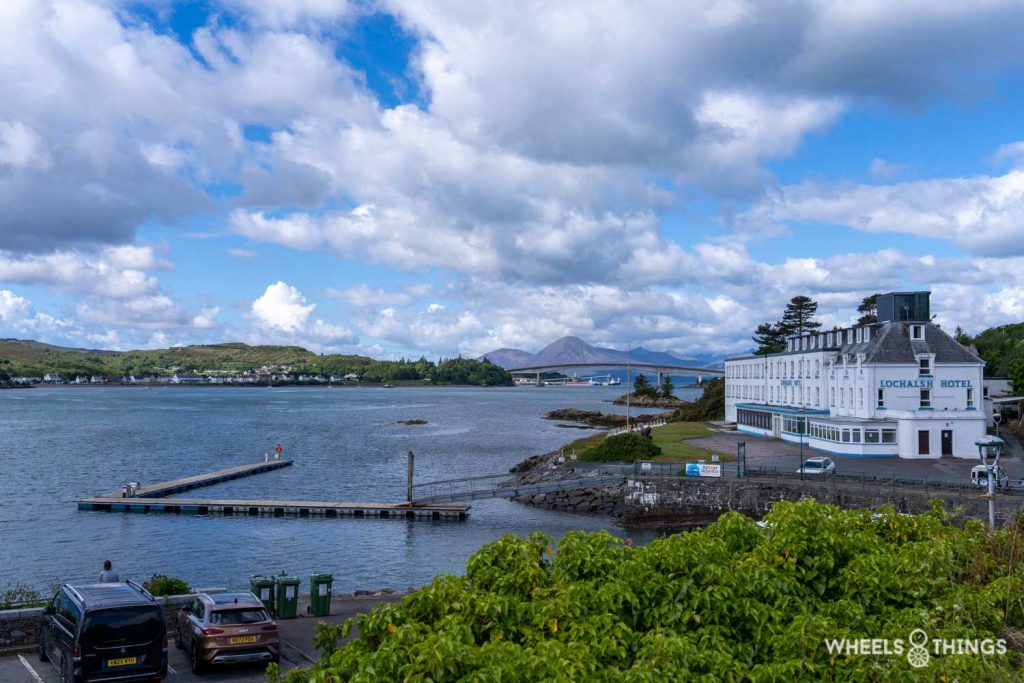
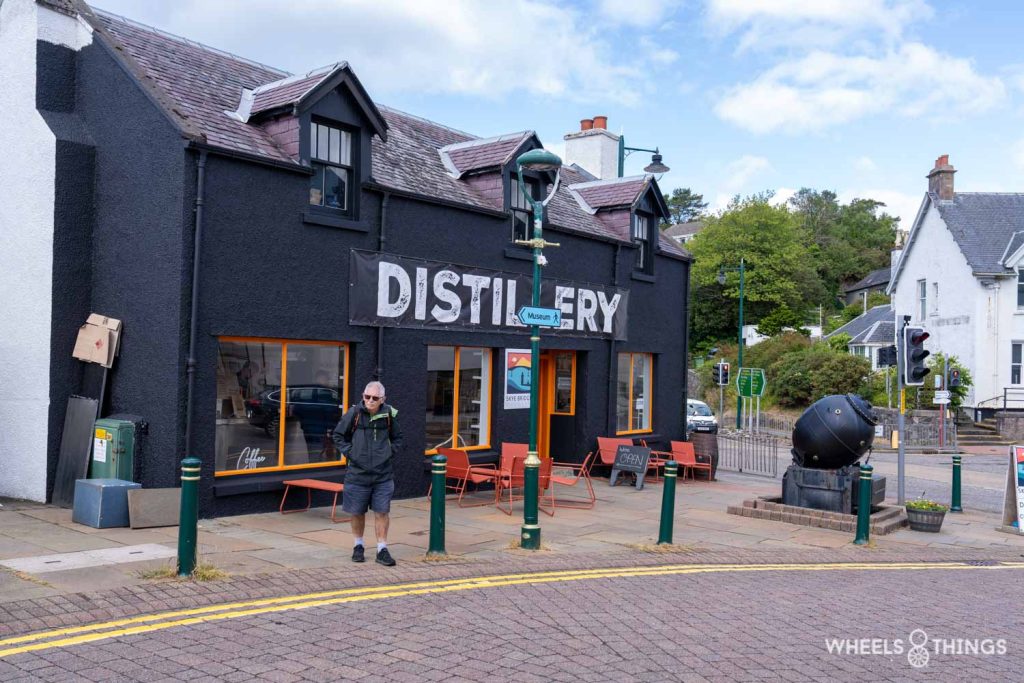
The next stop was in the town of Kyle of Lochalsh, where we stopped for lunch and took a photo of the Sky Bridge in the distance.
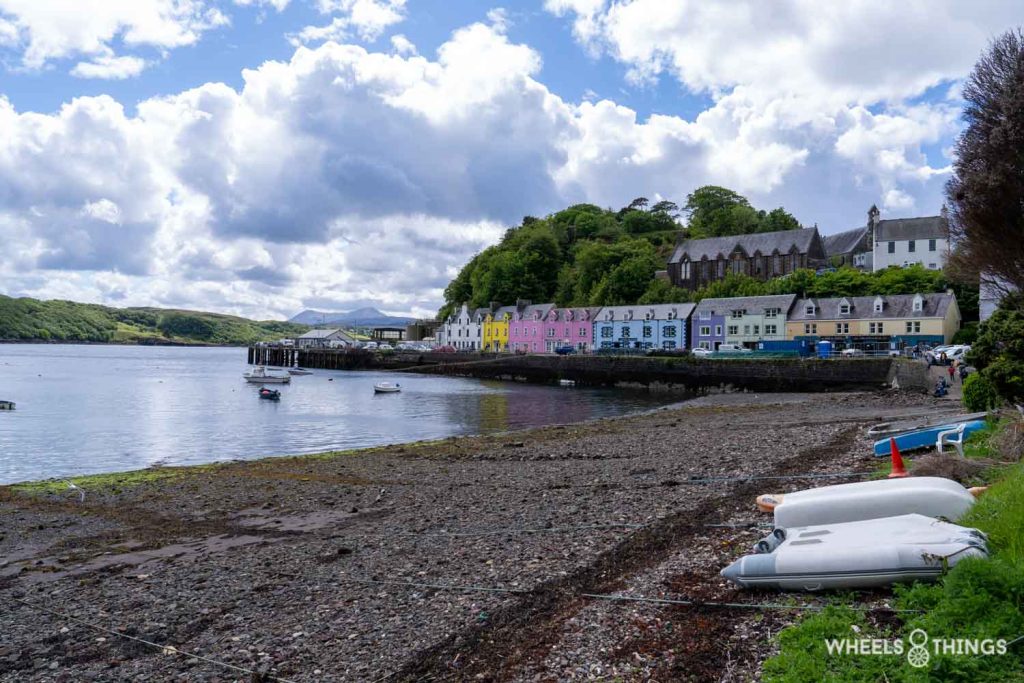
Portree
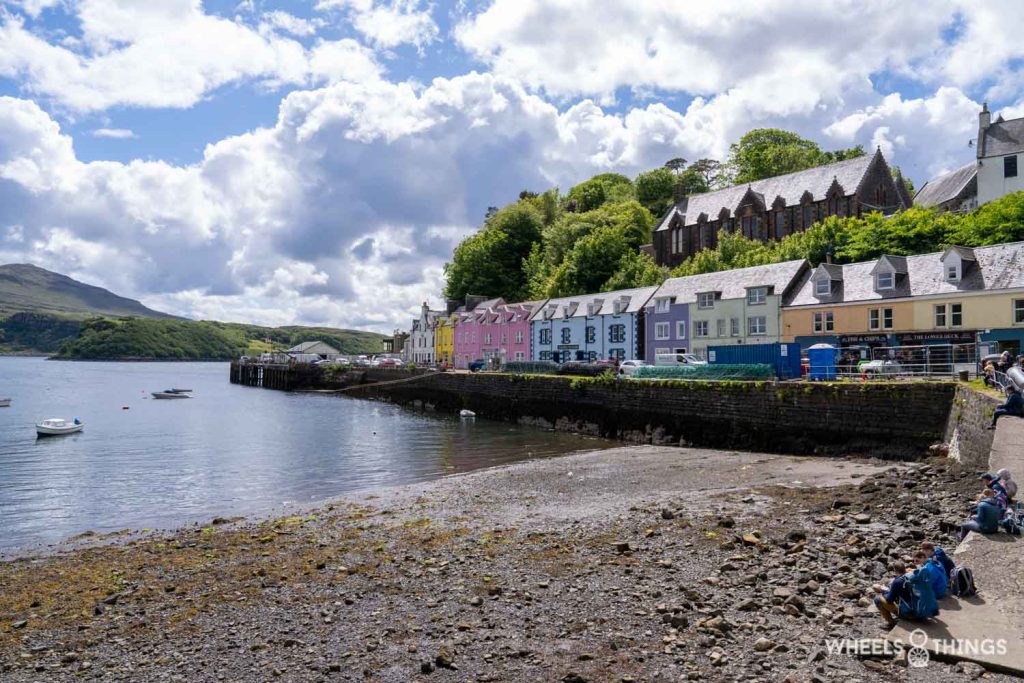
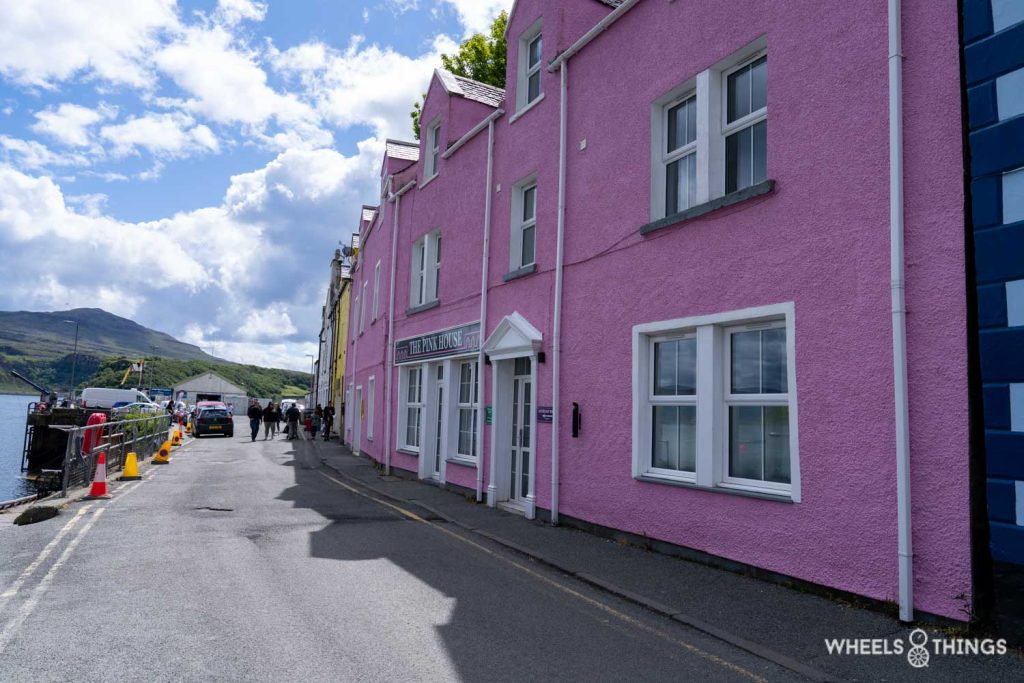
Once we crossed the bridge, we headed towards Portree. With around 4,000 inhabitants, Portree is the largest town on the Isle of Skye. The colourful facades in the harbour are very characteristic. You can also enjoy delicious fish and chips here if you wish.
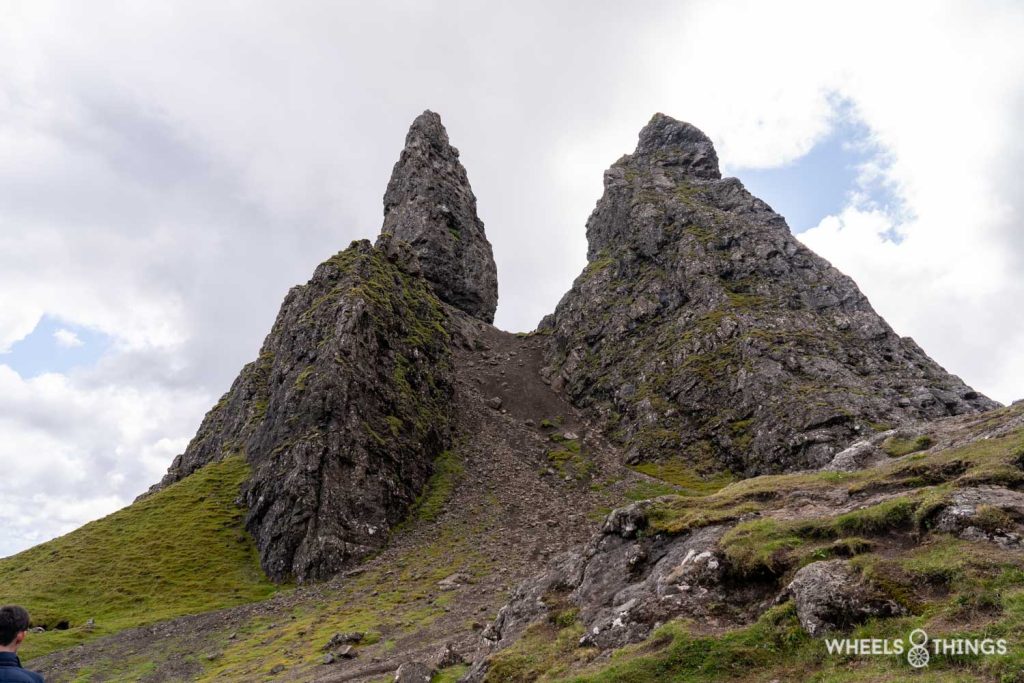
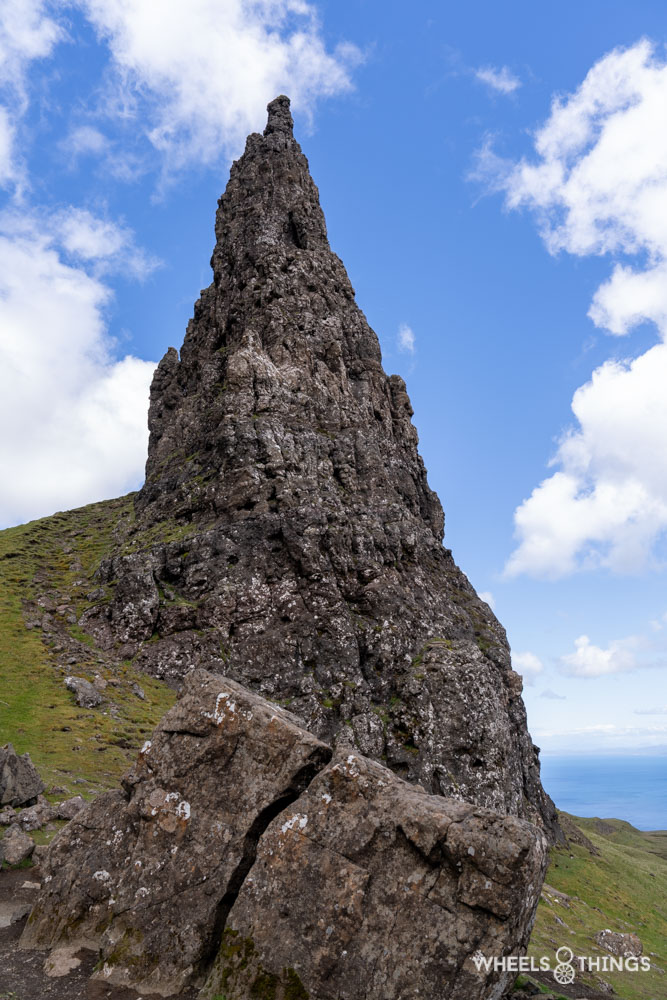
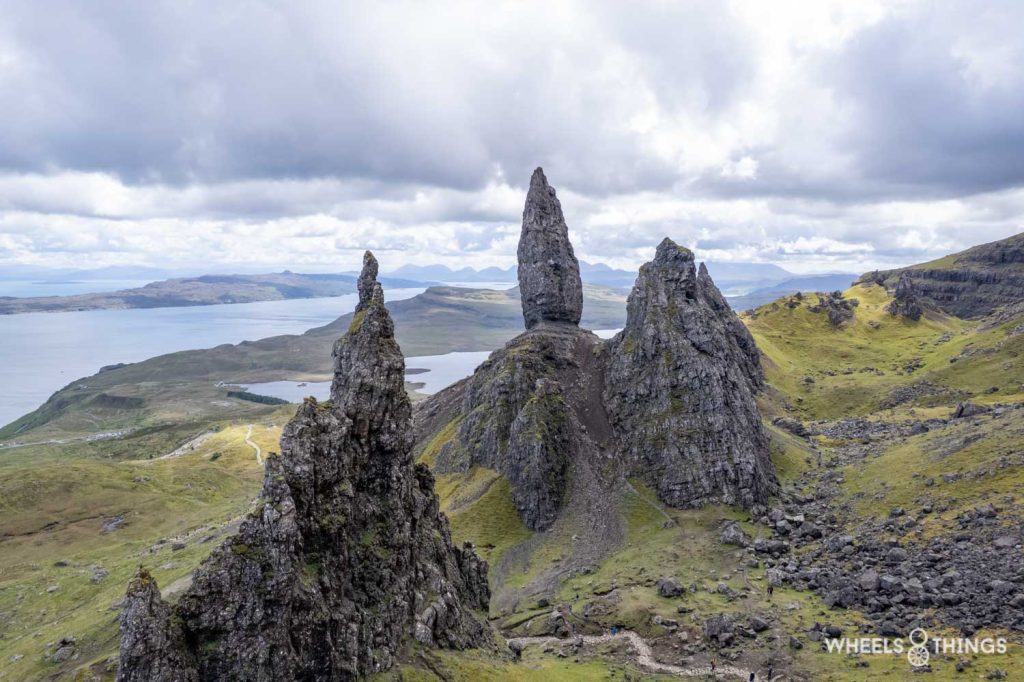
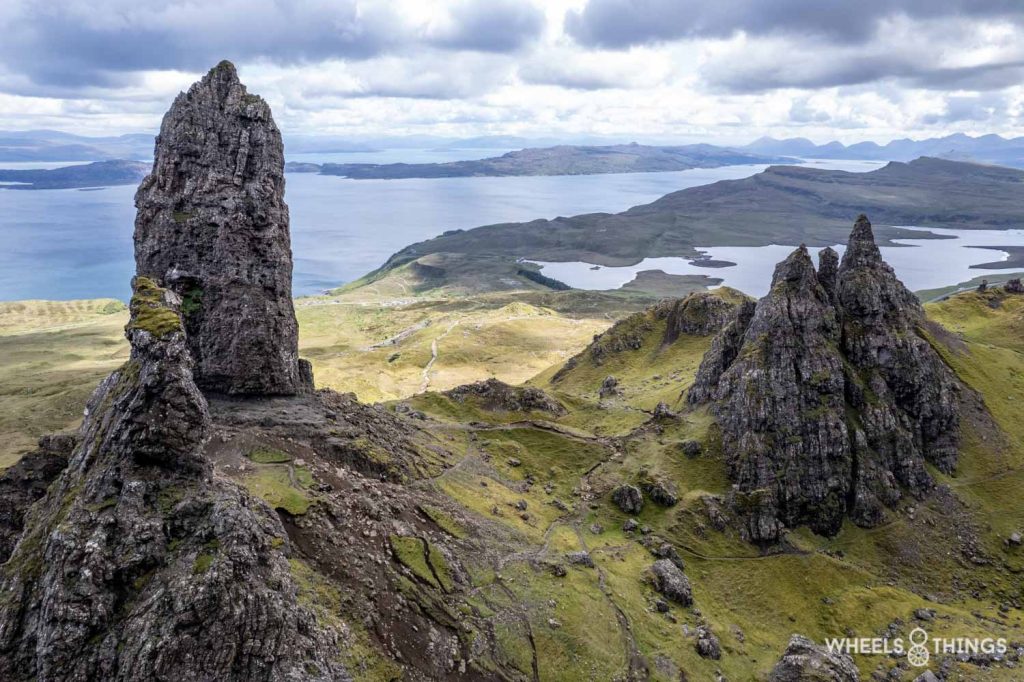
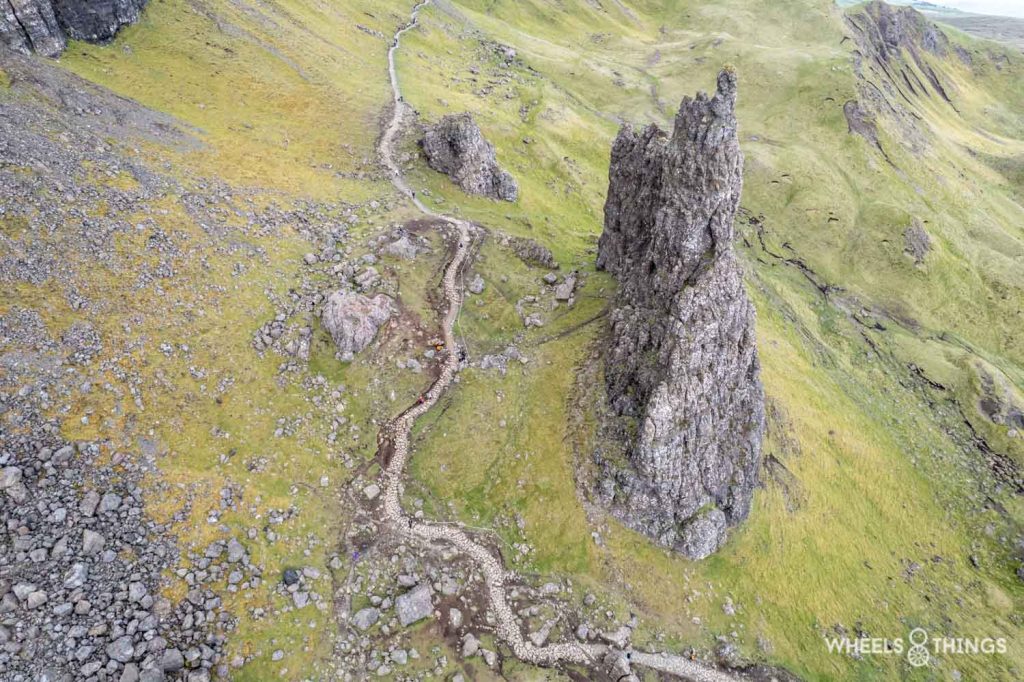
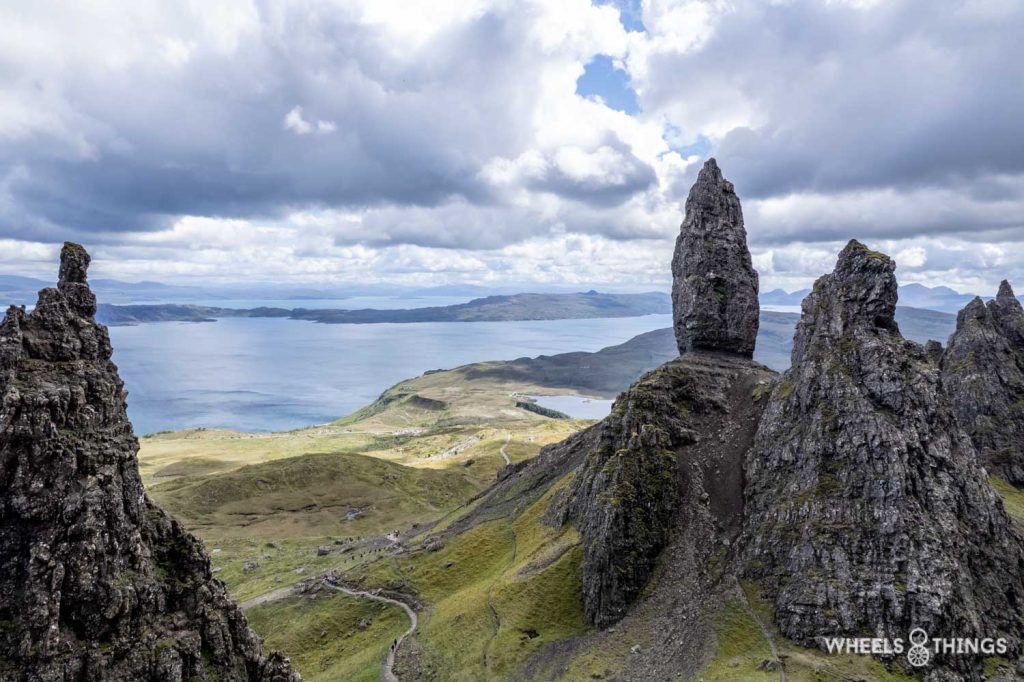
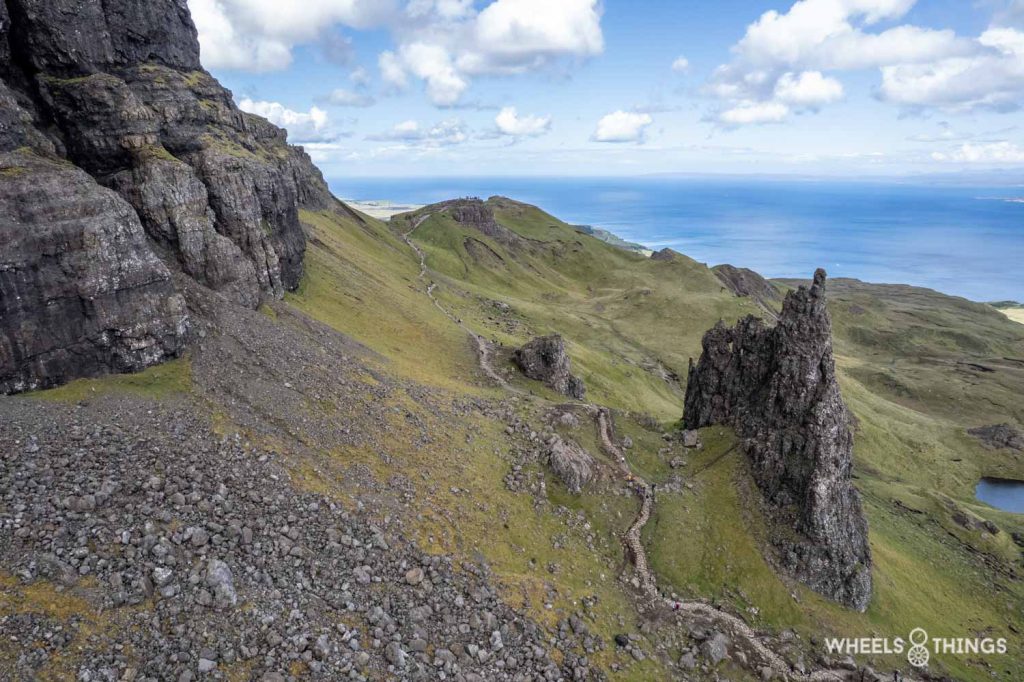
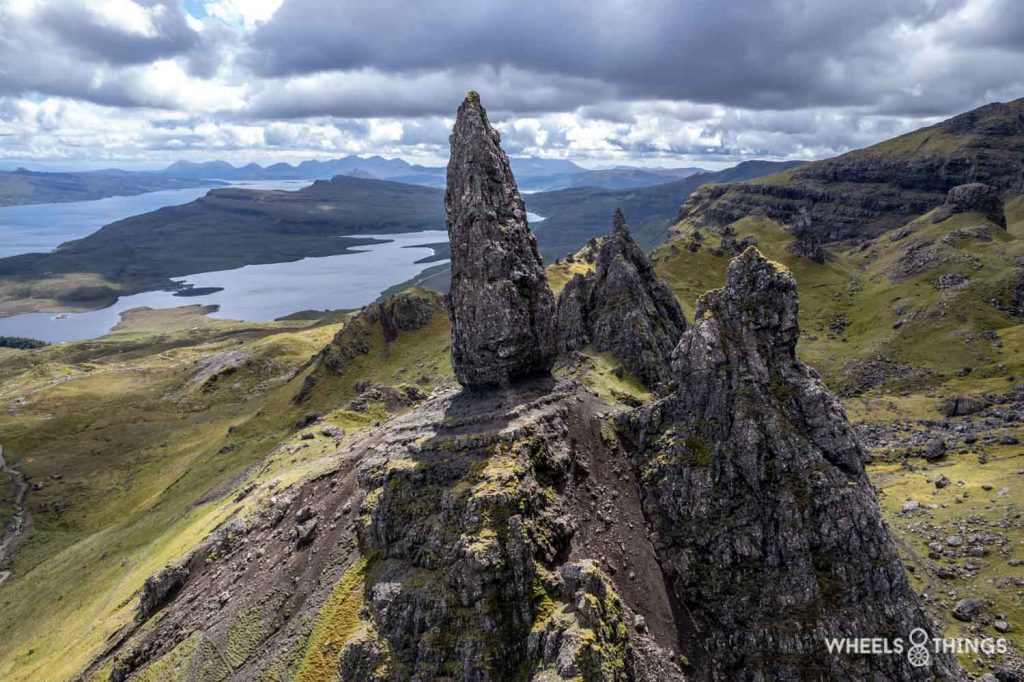
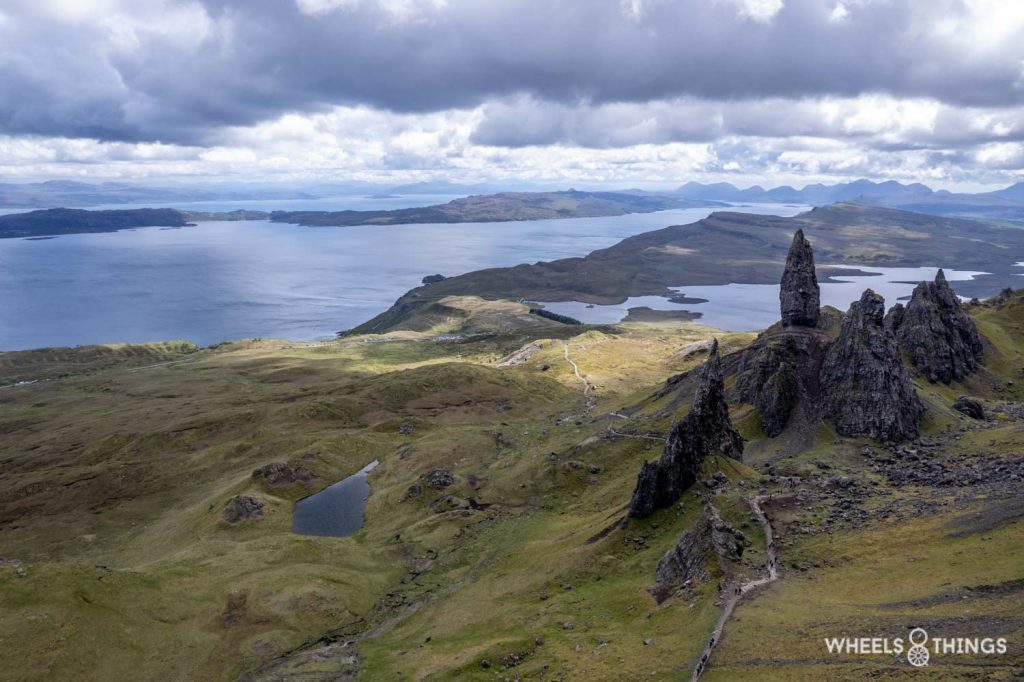
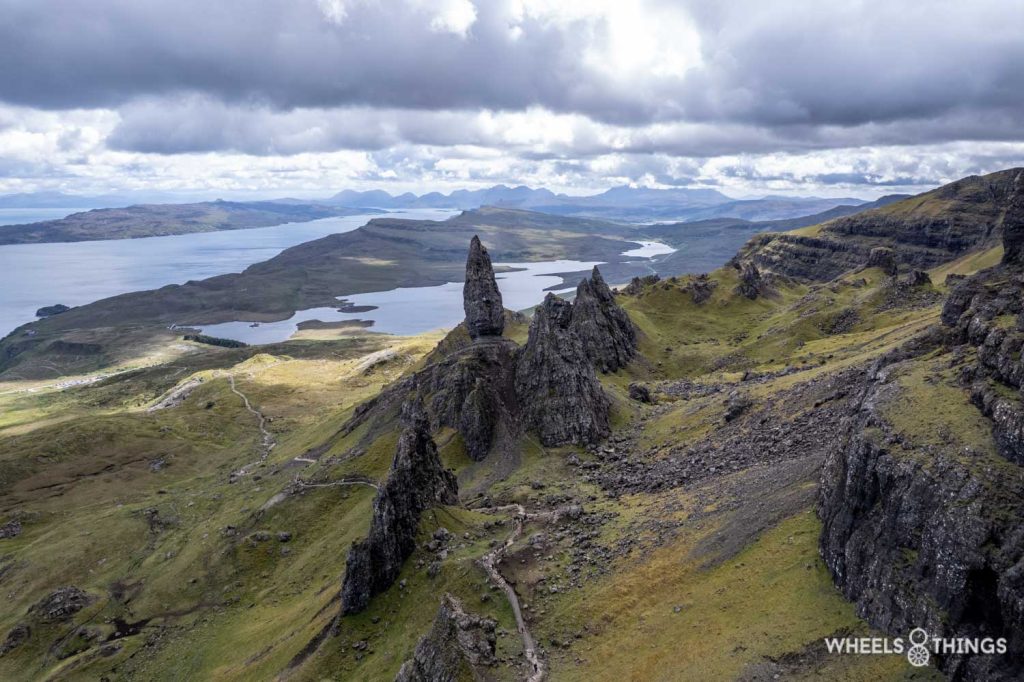
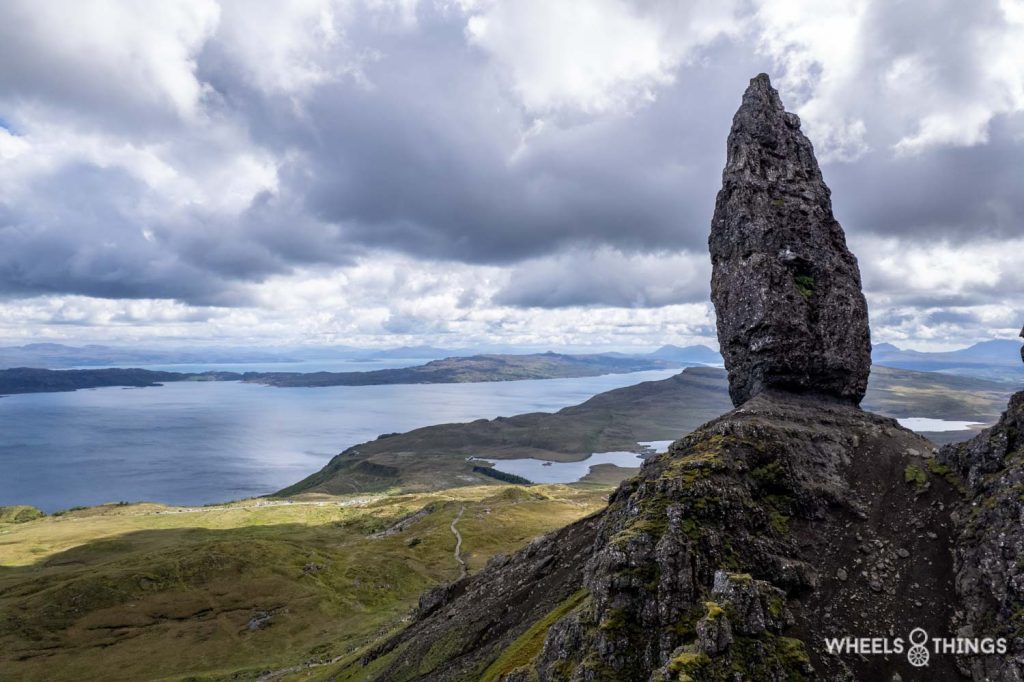
The Old Man of Storr
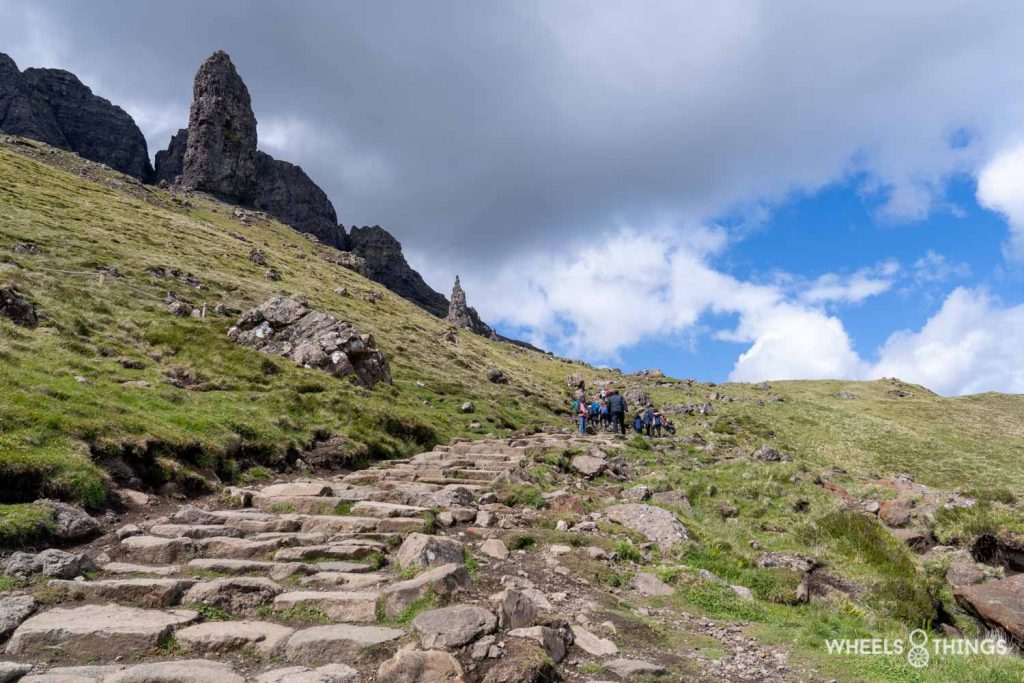
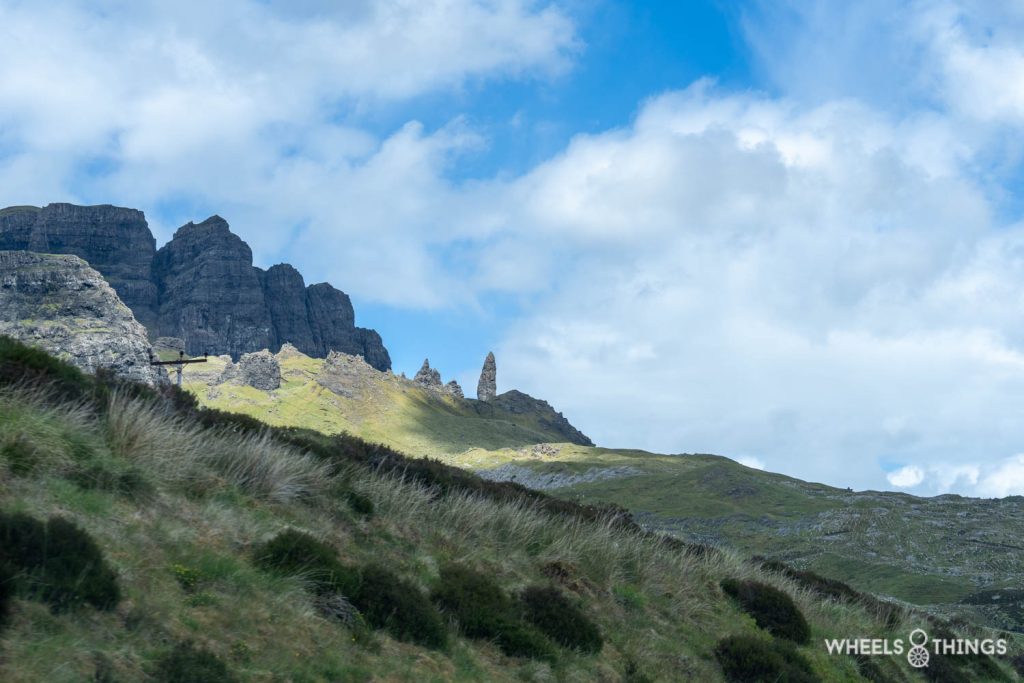
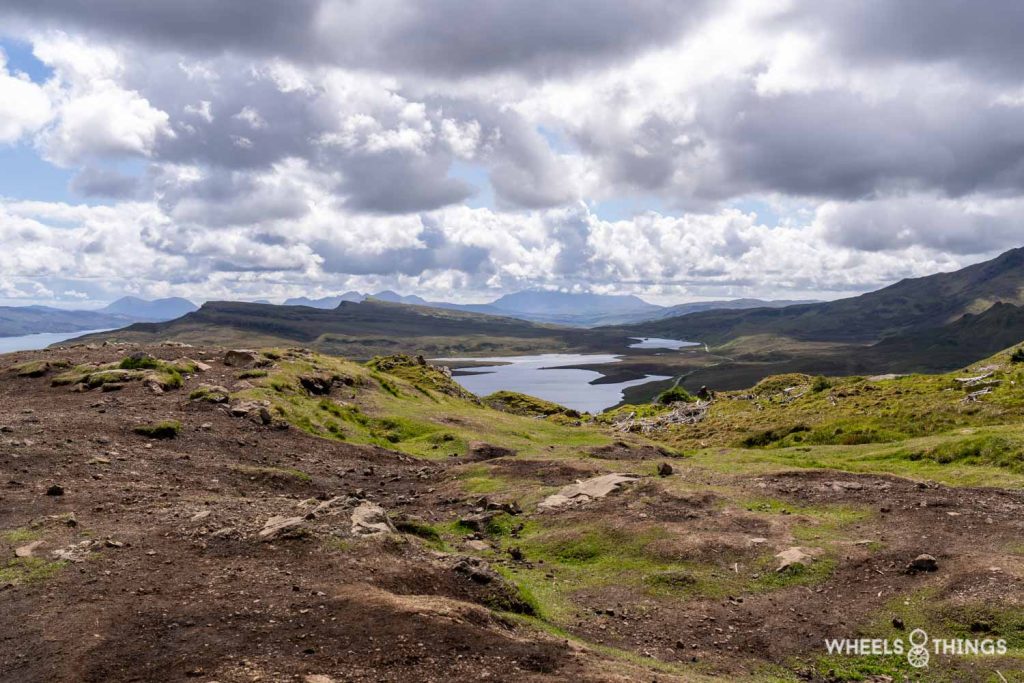
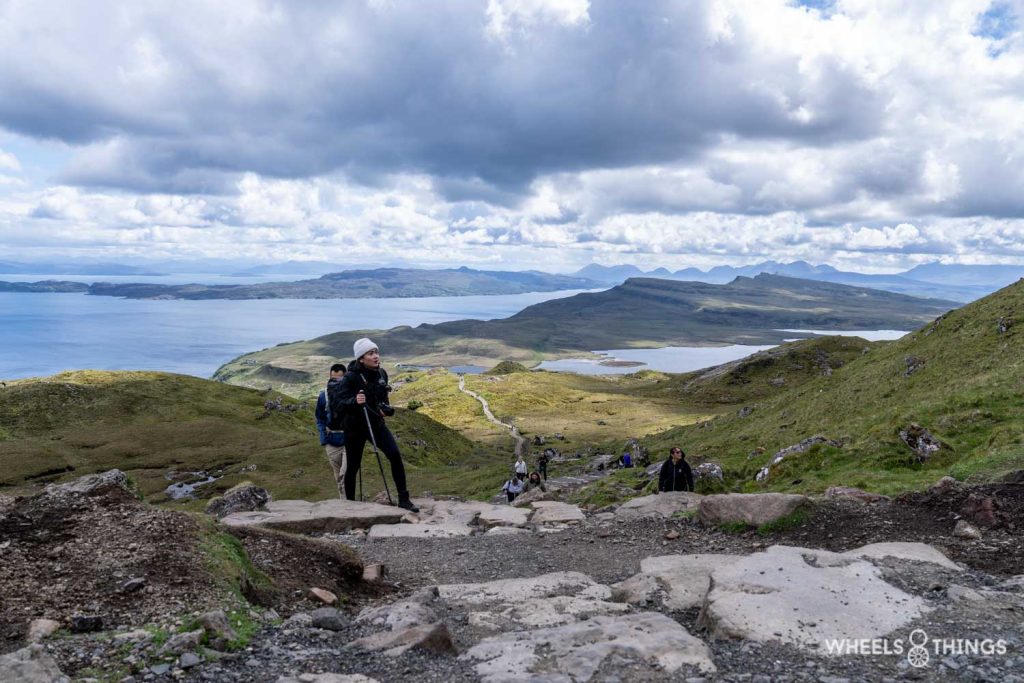
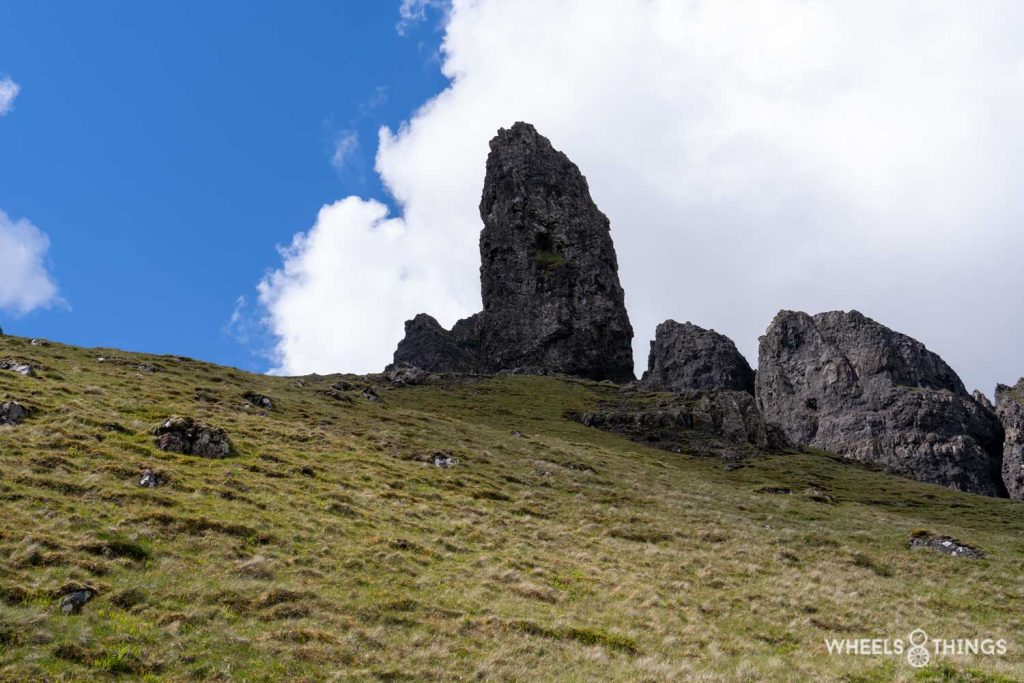
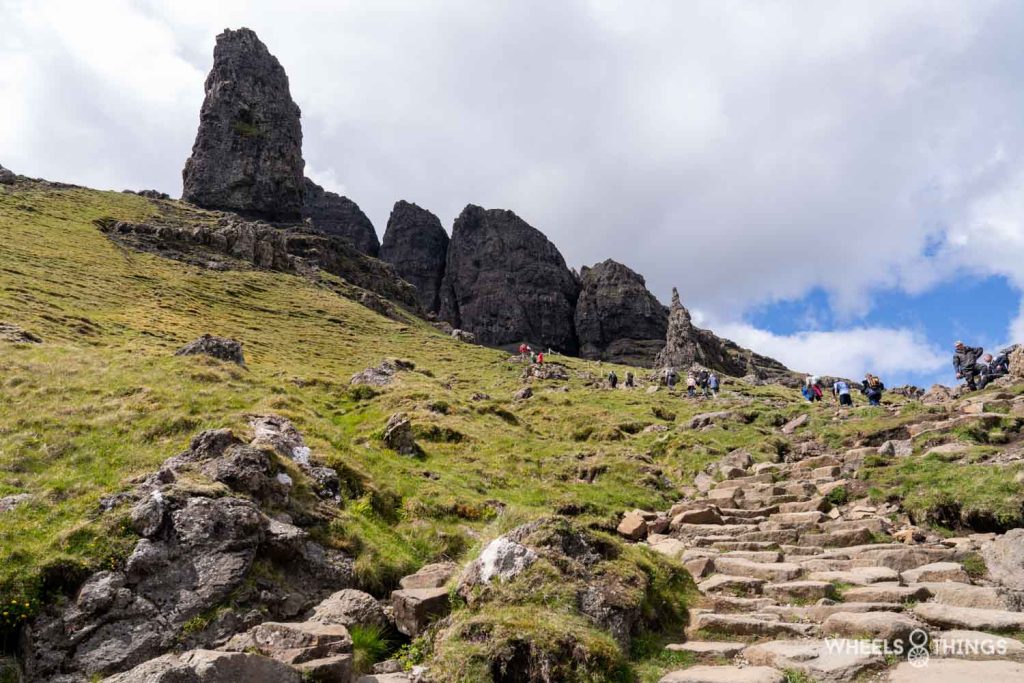
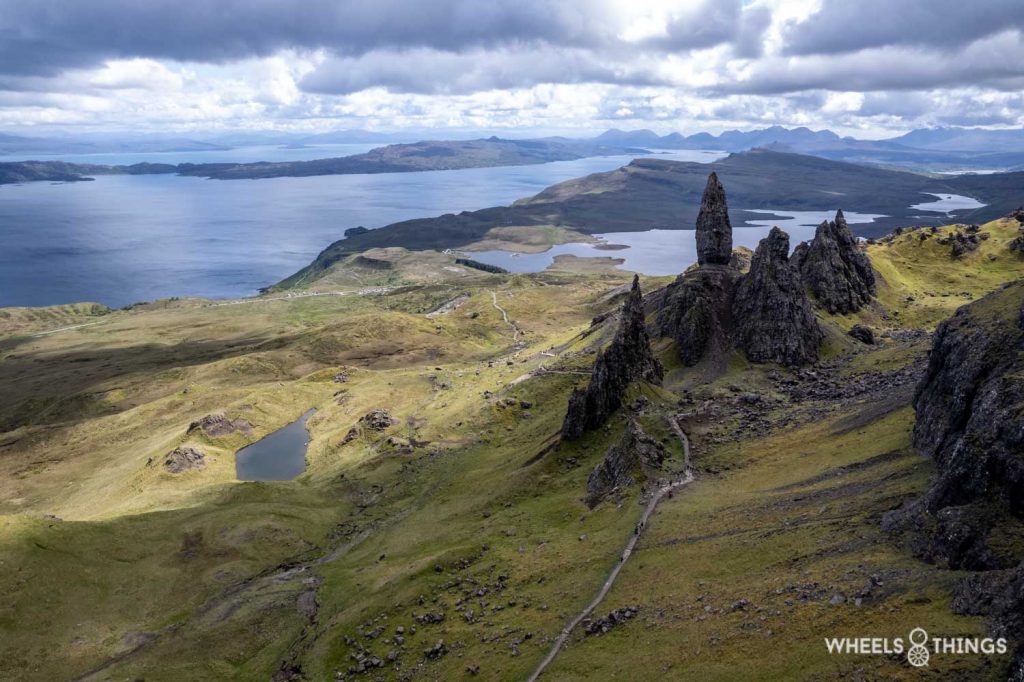
A visit to The Old Man of Storr was on today’s to-do list. This striking rock formation is quite a distance from the road. The walk there is challenging but certainly doable, and along the way you are constantly treated to fantastic views.
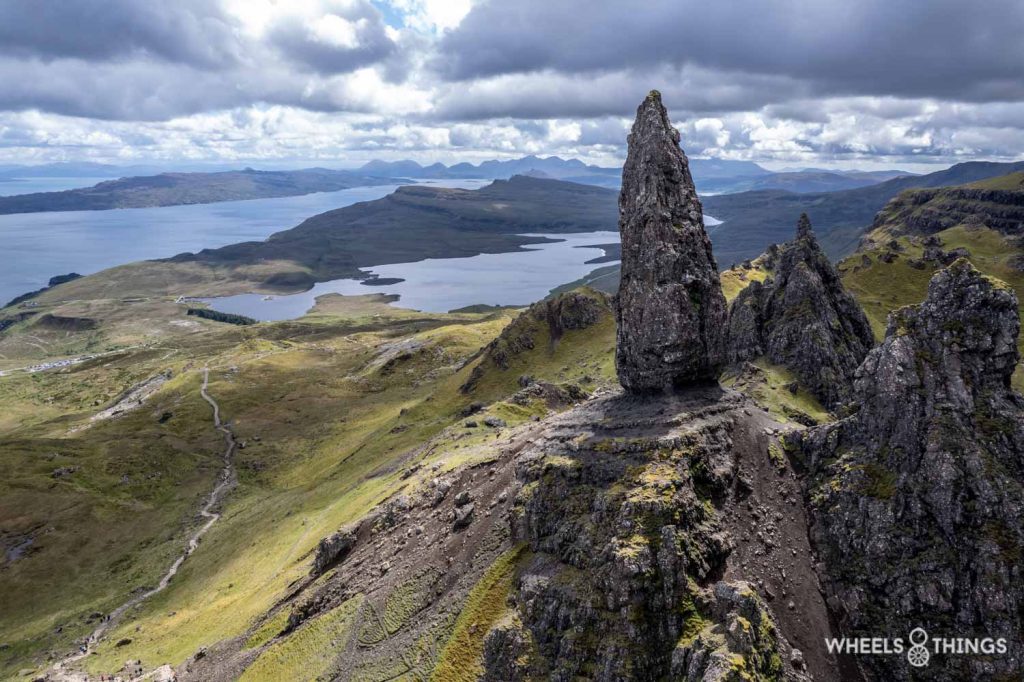
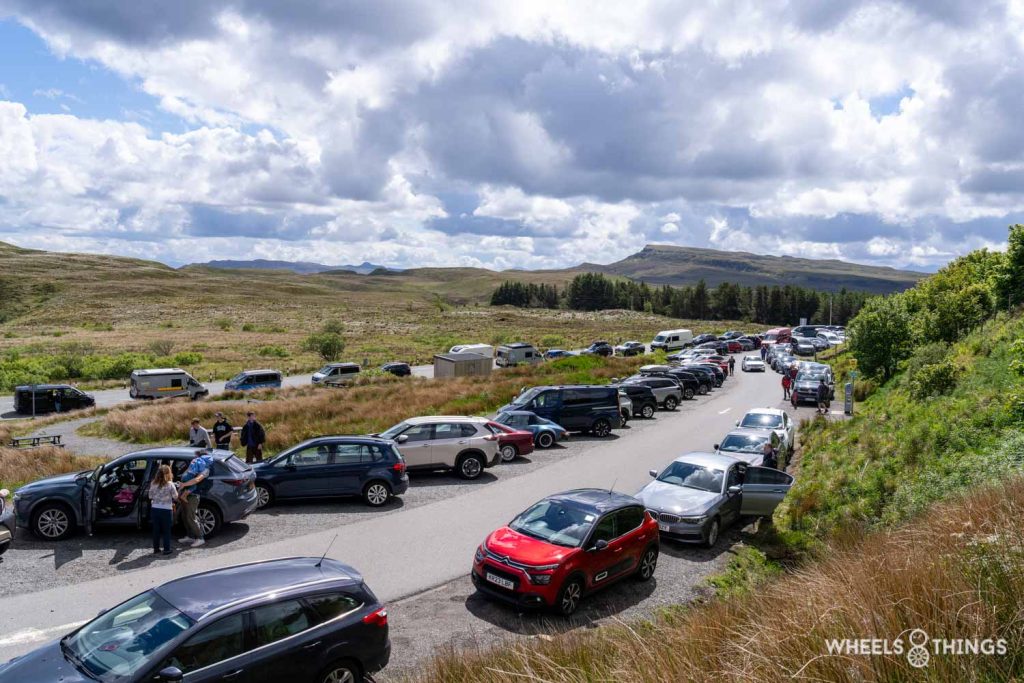
In the photo above, you can see the first part of the path quite clearly. On the far left of the picture, you can see the (paid) car park where you can leave your car. The total distance is just over 3.5 km, and you should allow between an hour and a half and two hours for the walk. But as you can see, the reward of the view is definitely worth the effort.
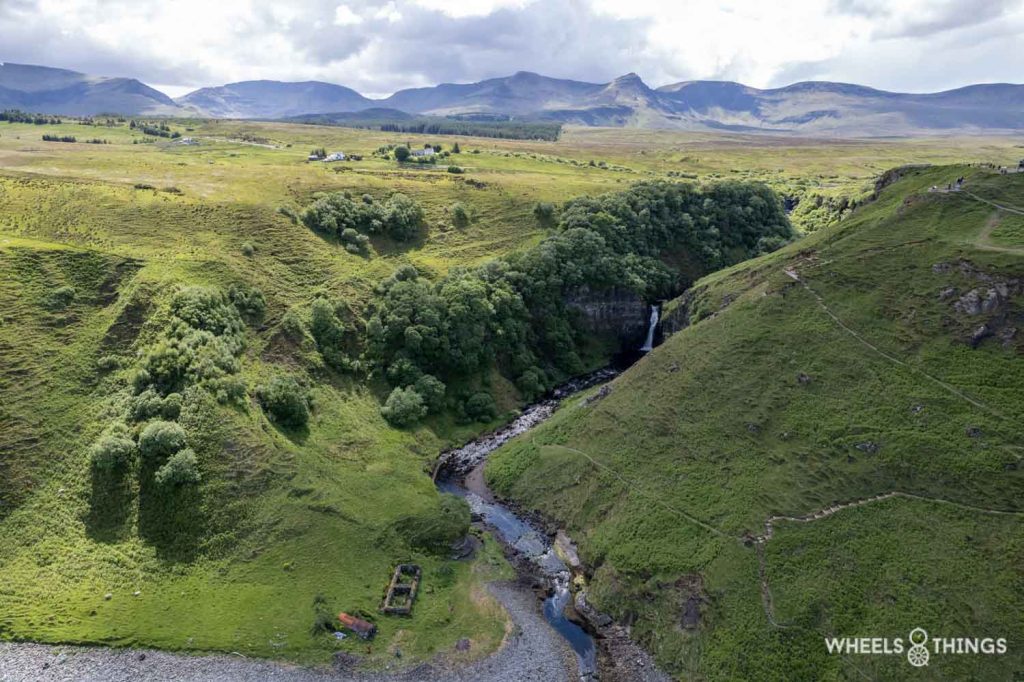
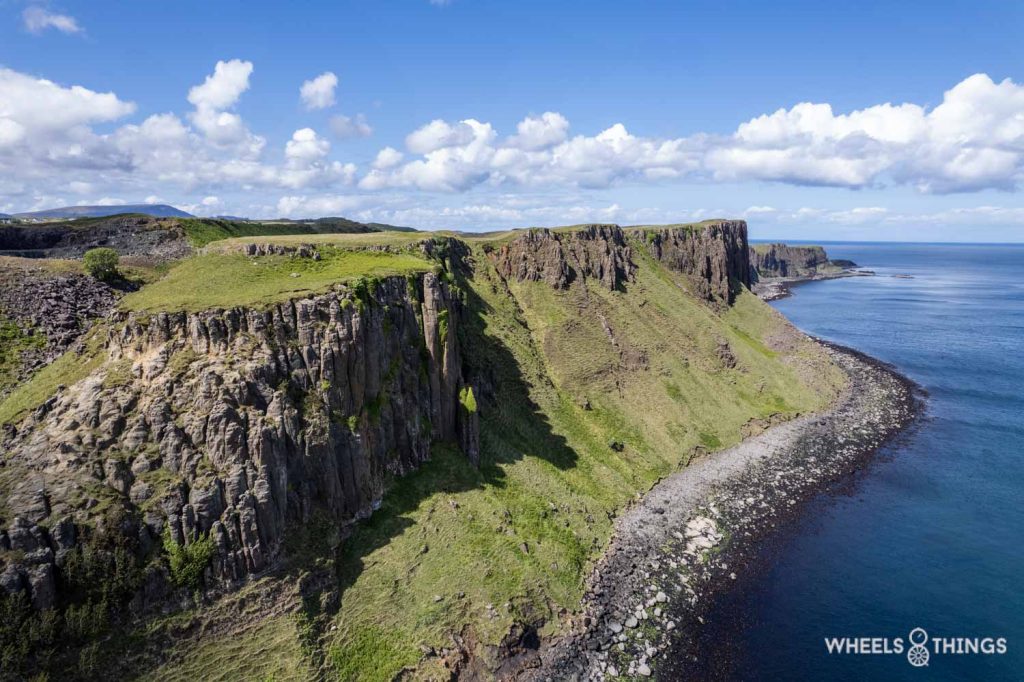
Kilt Rock
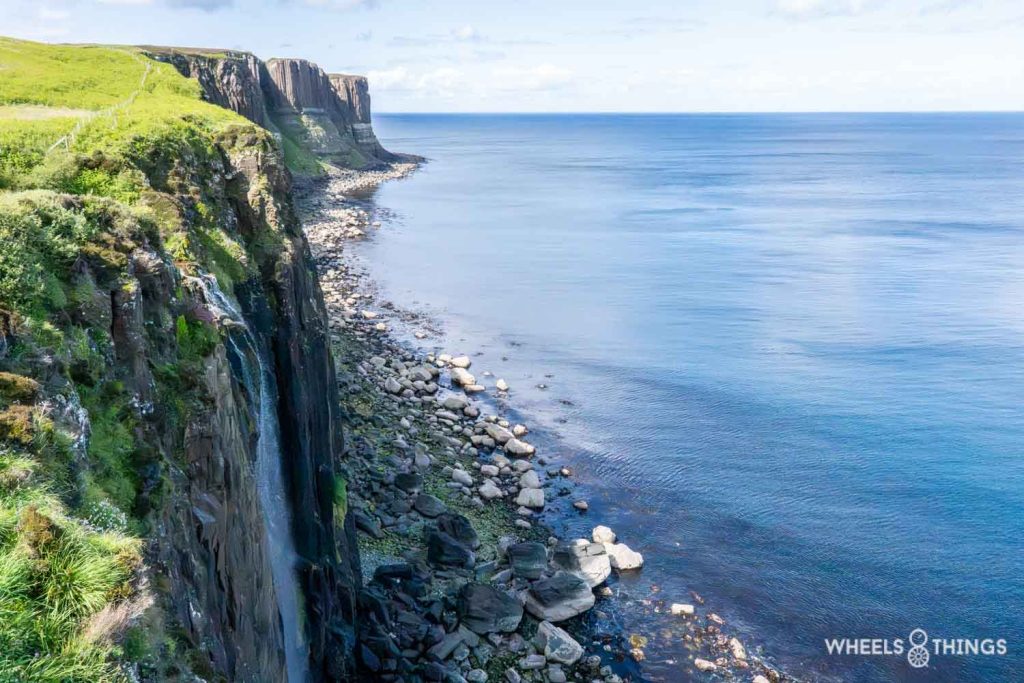
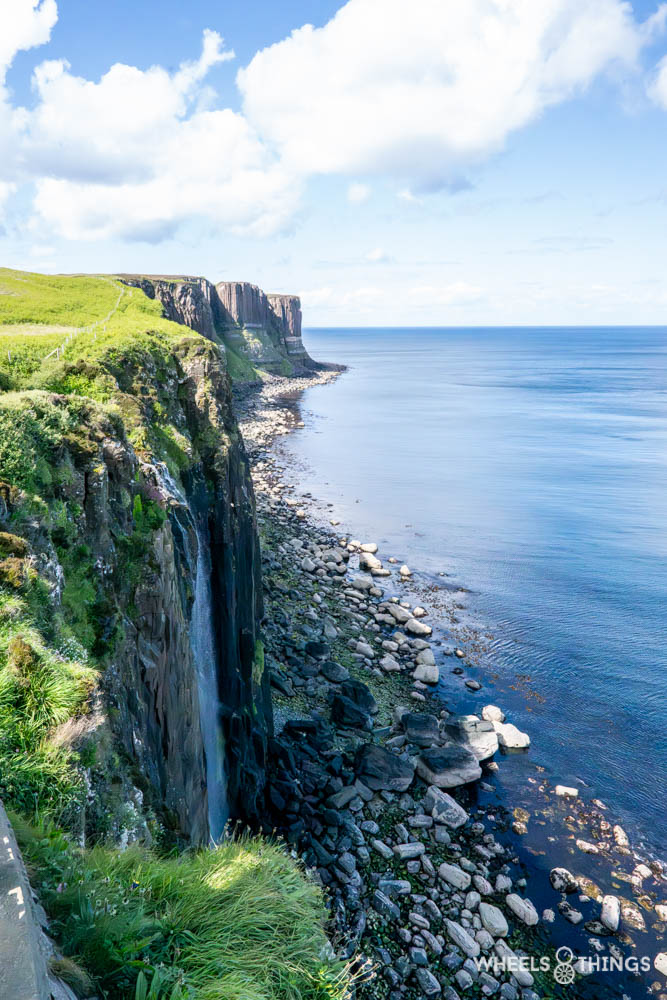
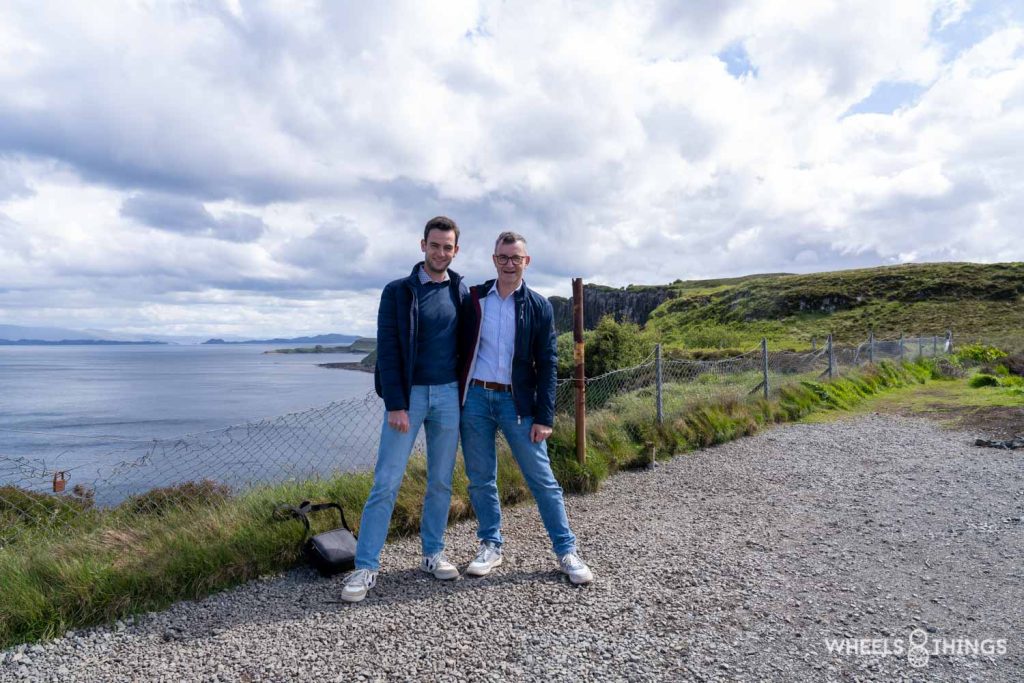
This is the second time we have visited Kilt Rock. The first time, it was so windy that we couldn’t fly the drone to take photos. This time, the weather was good, but because it was breeding season, there was a sign saying that flying was prohibited. So, back to a sideways photo. Kilt Rock owes its name to a number of cliffs shaped like a kilt. They are made of basalt and rise about 35 metres vertically from the sea. They are located 1 kilometre south of Staffin. It is mainly the waterfall that plunges into the sea here that attracts attention.
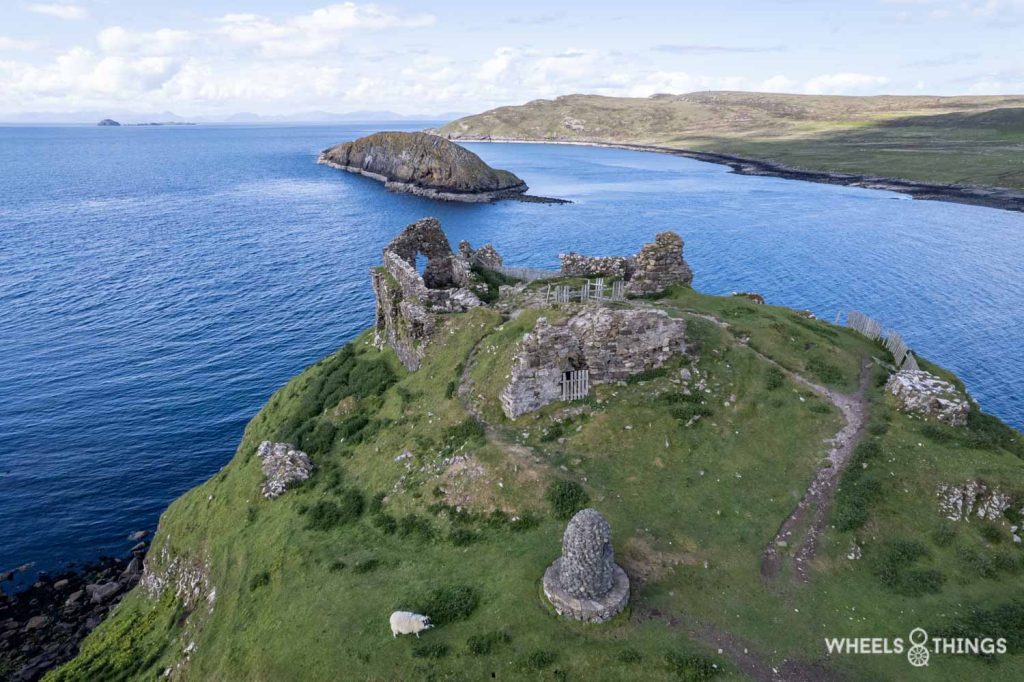
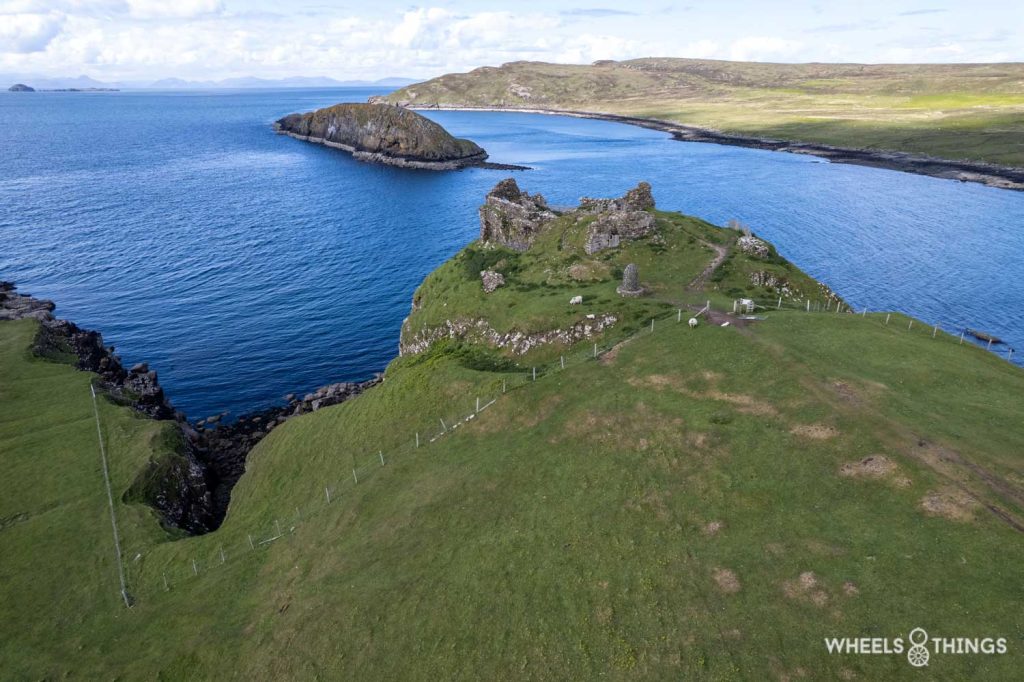
Duntulm Castle
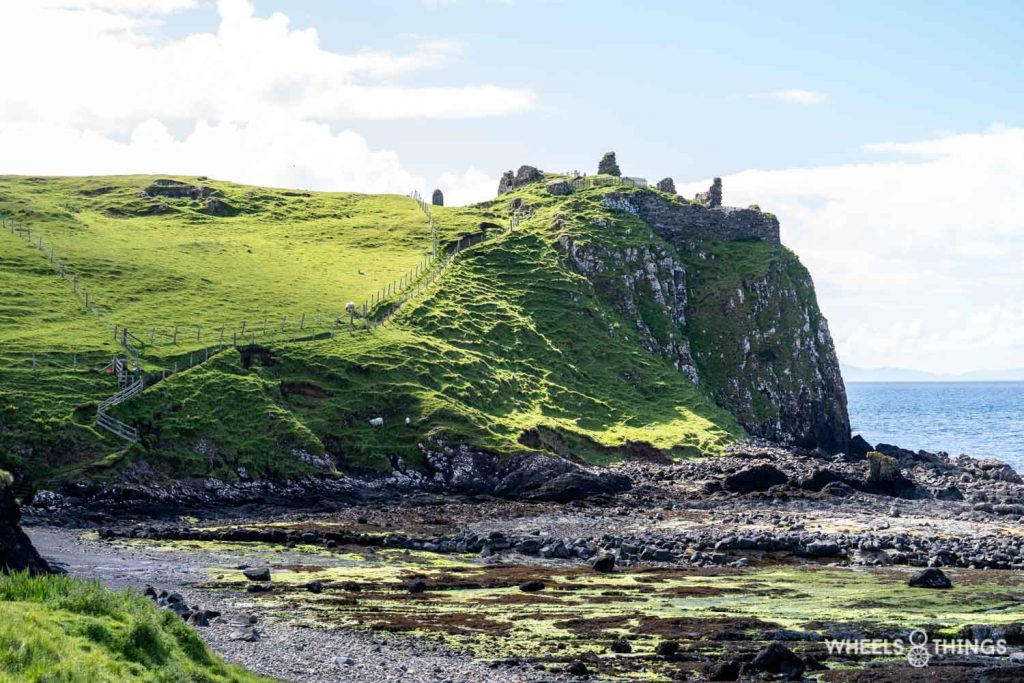
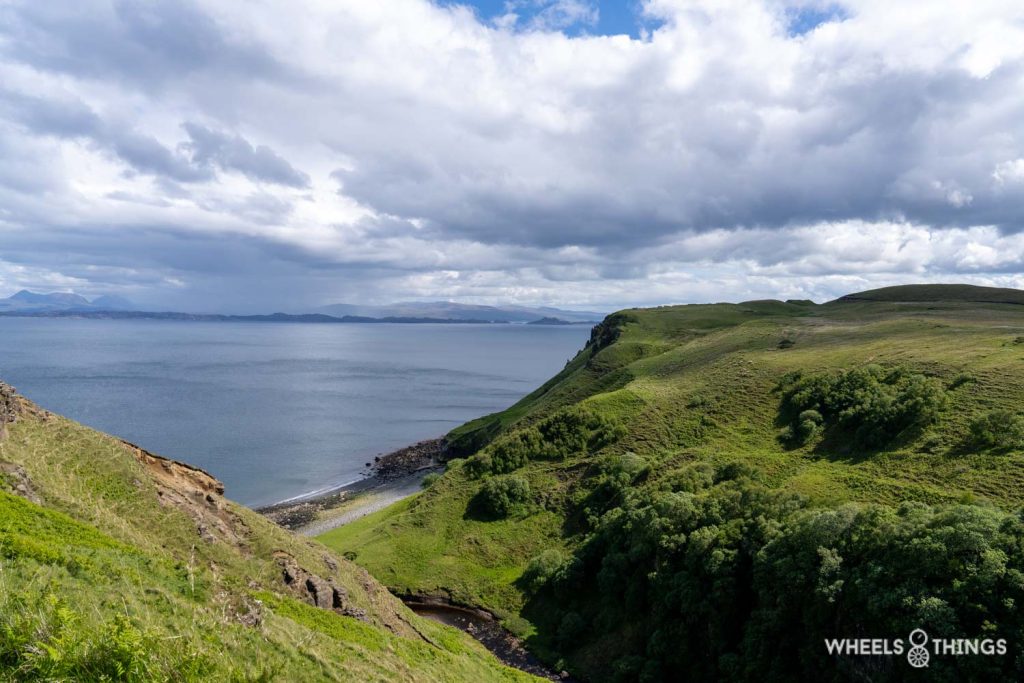
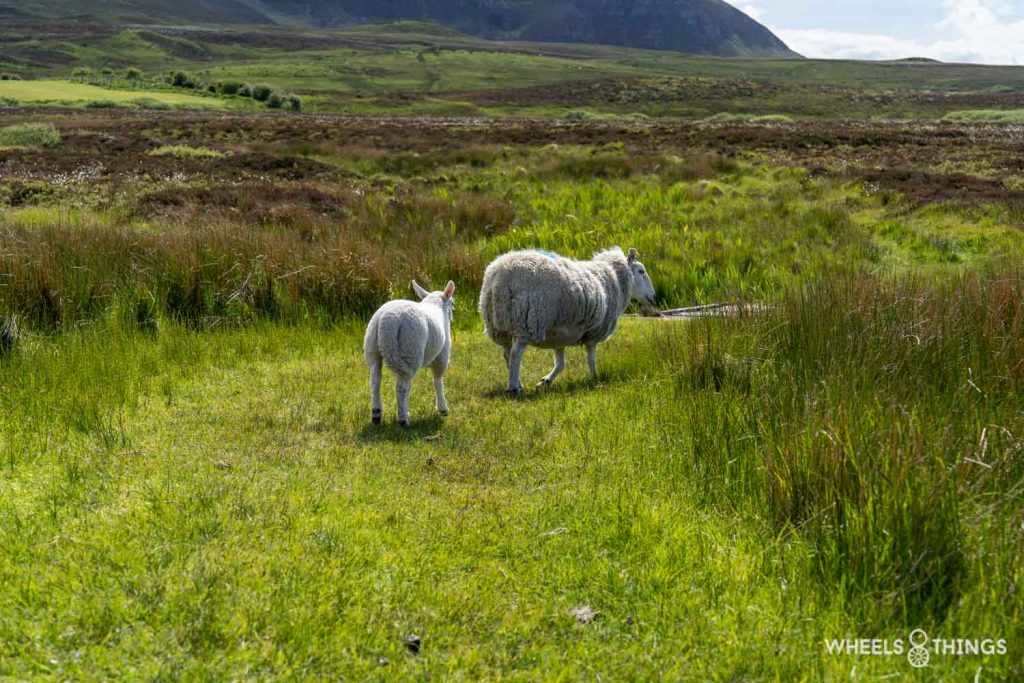
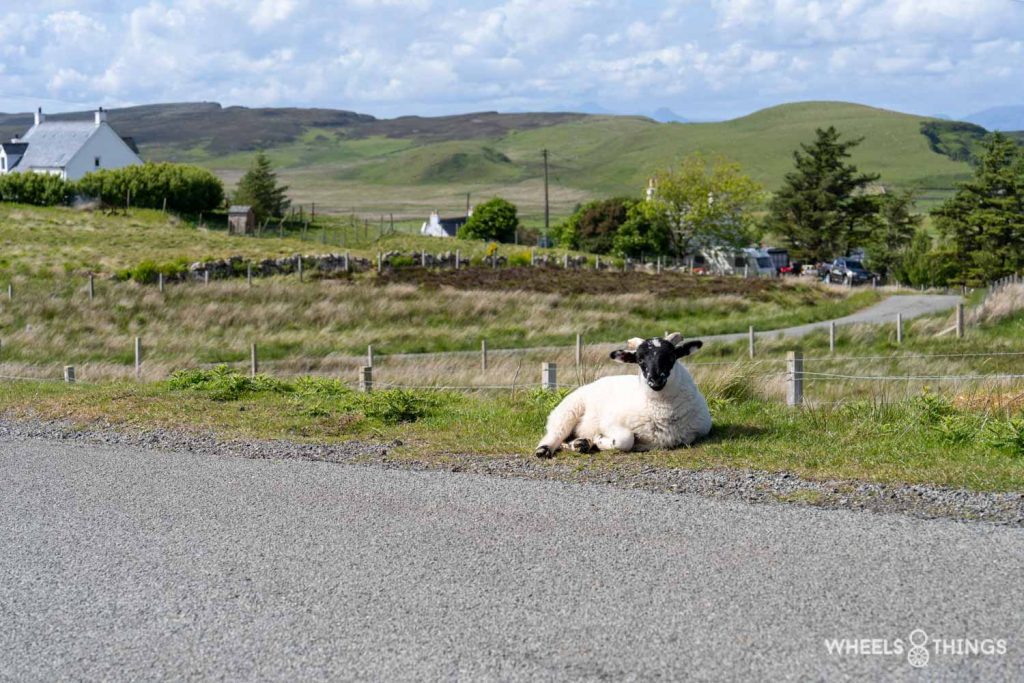
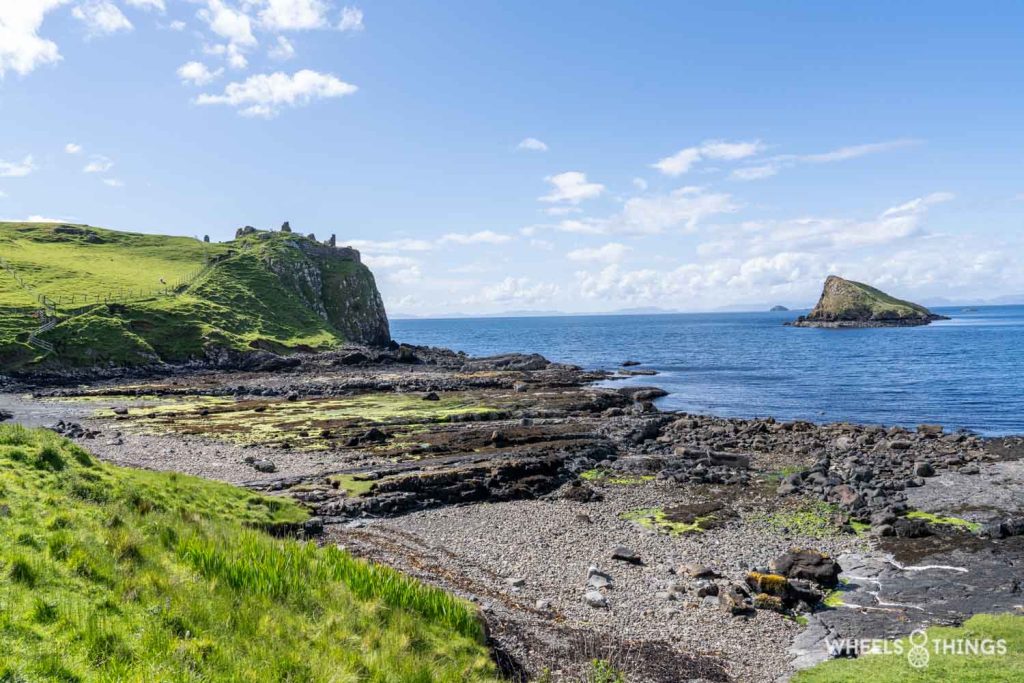
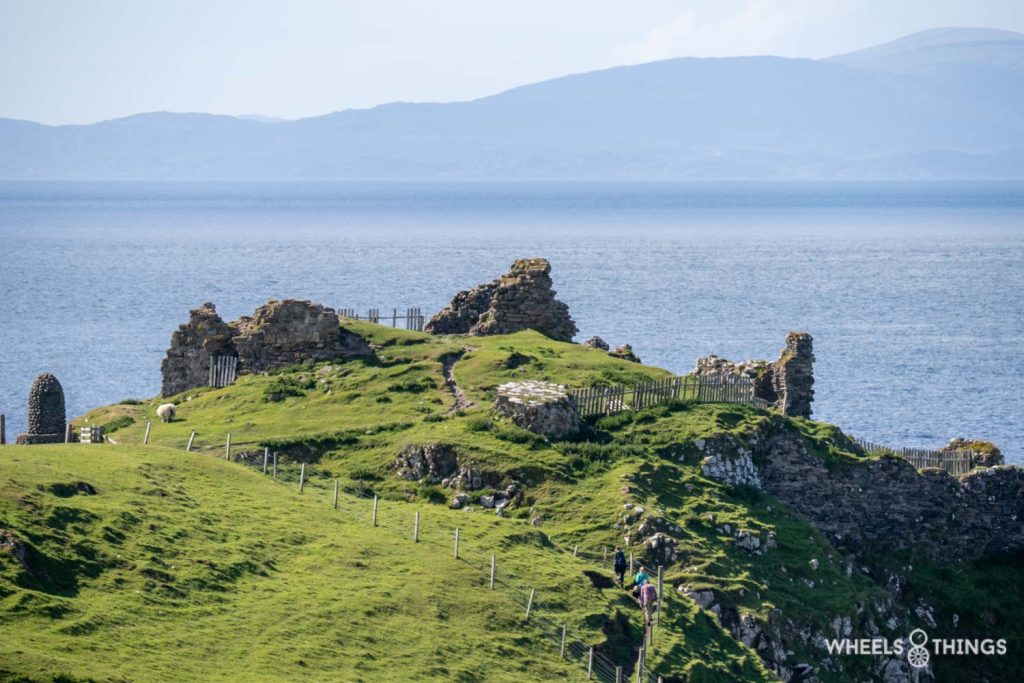
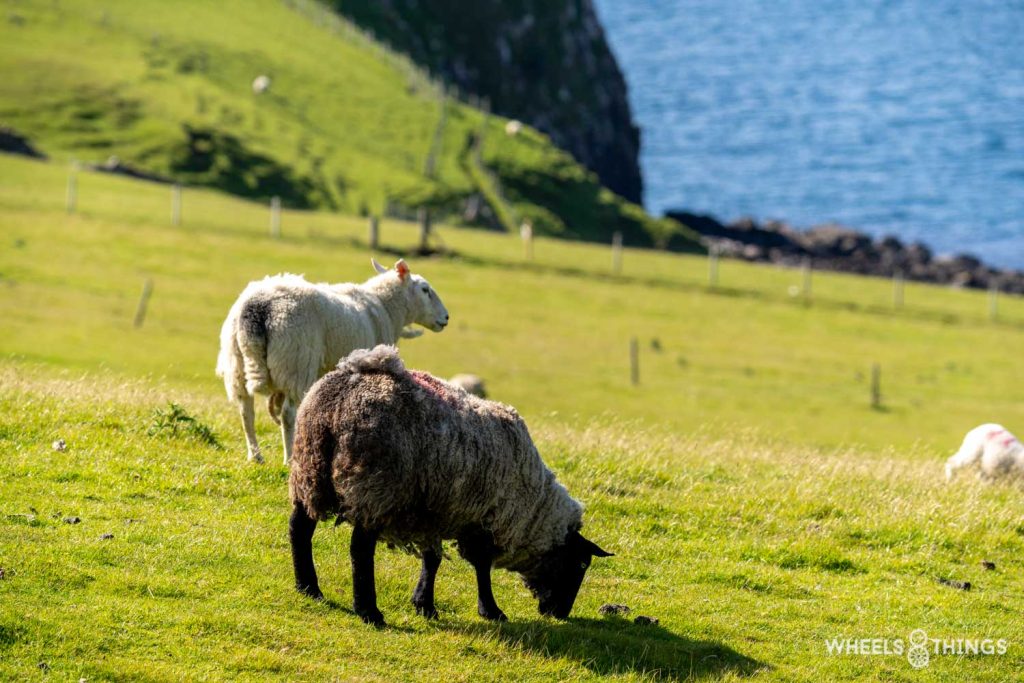
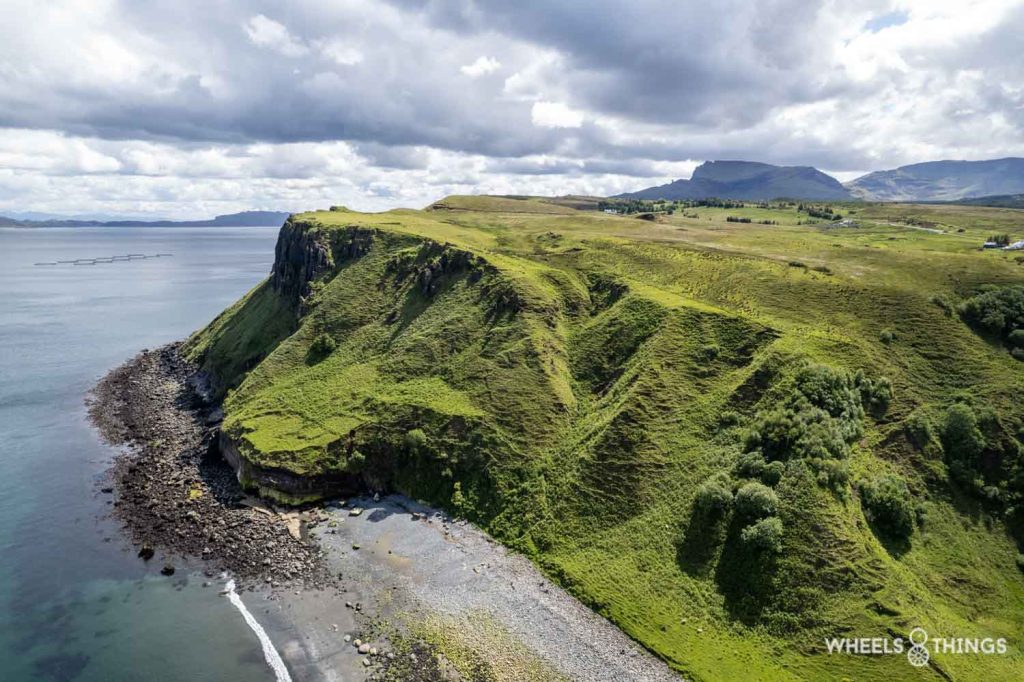
Duntulm Castle is a castle ruin built in the fifteenth and seventeenth centuries. We are here on the Trotternish peninsula in the village of Duntulm, which is part of the Scottish Highlands. Apart from a few visitors and some sheep, it was very quiet here. The views are truly impressive almost everywhere along the coast, and both nature lovers and walkers can really enjoy themselves here.
Skye Museum of Island Life
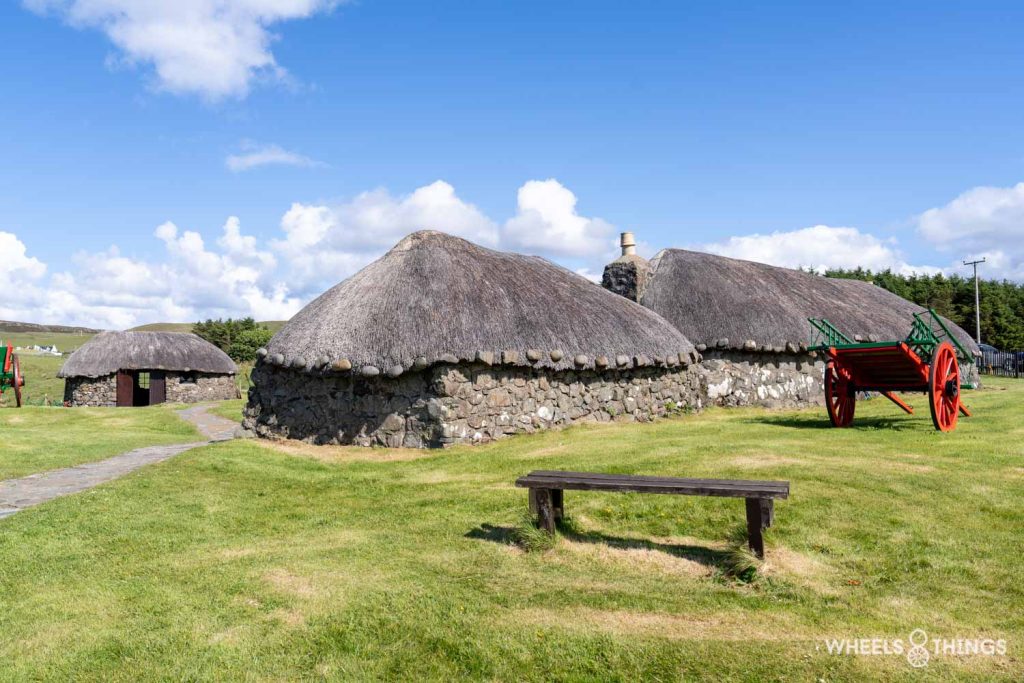
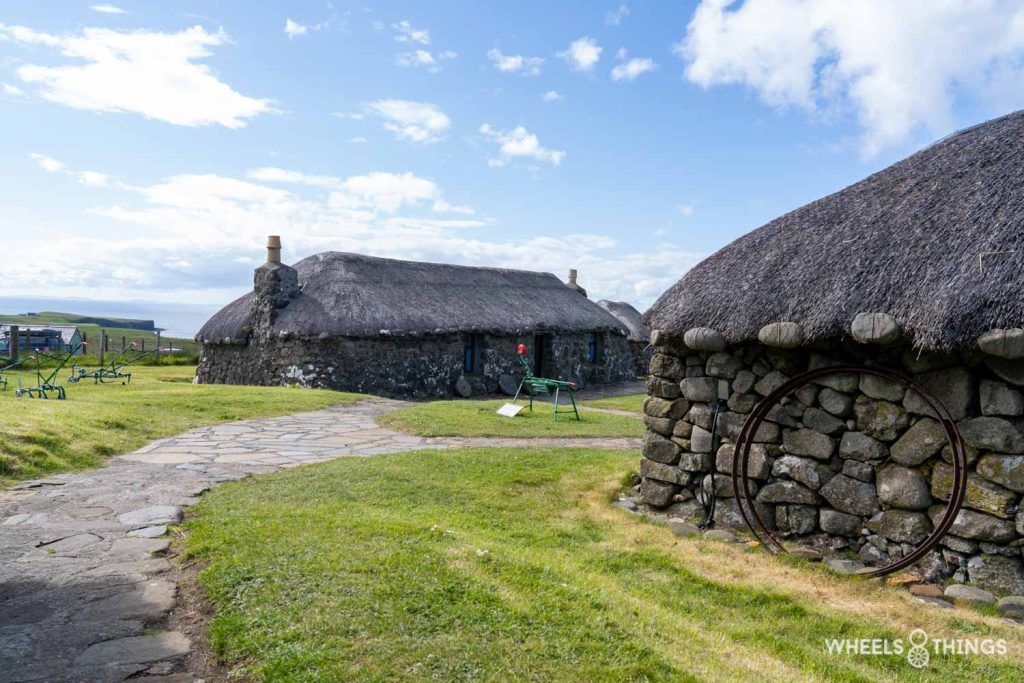
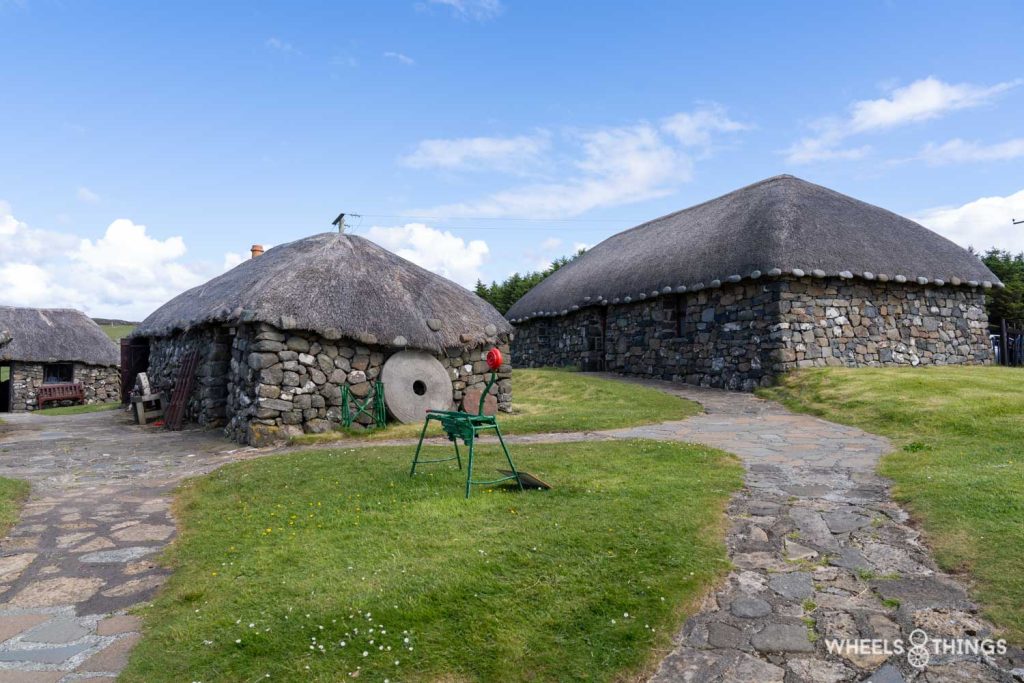
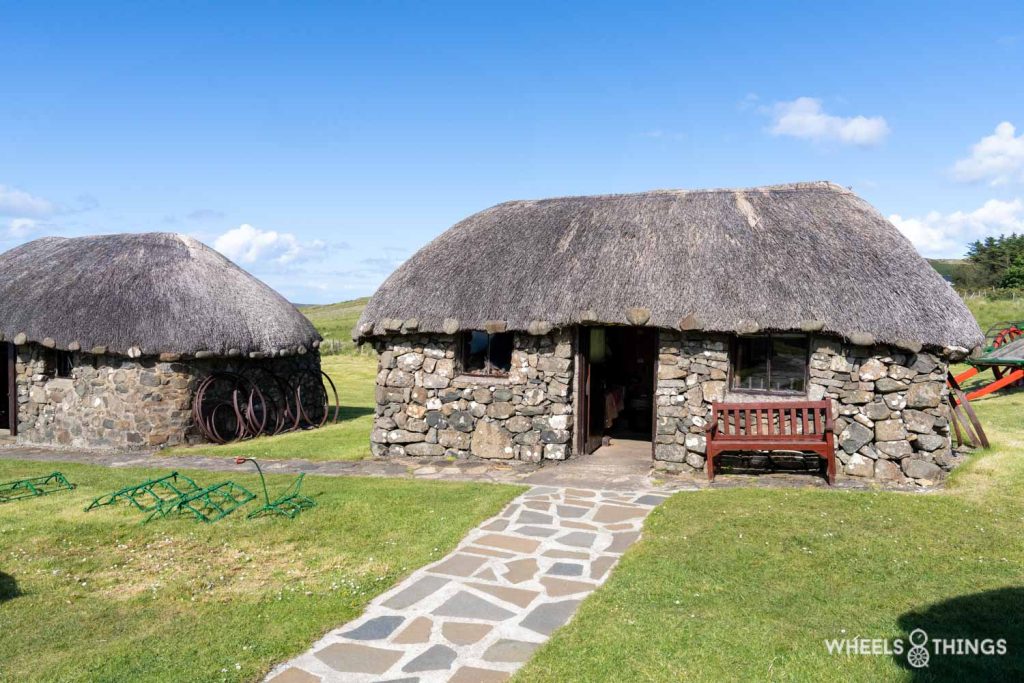
The next stop was at the Skye Museum of Island Life. We always try to soak up some culture during our trips, so visiting a few museums is a must.
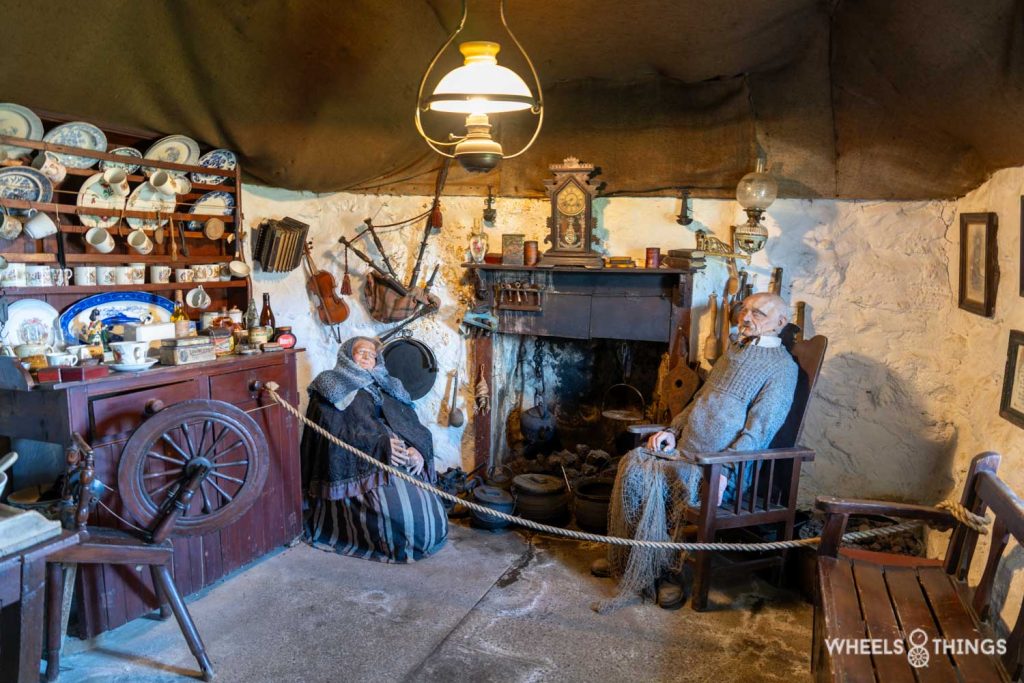
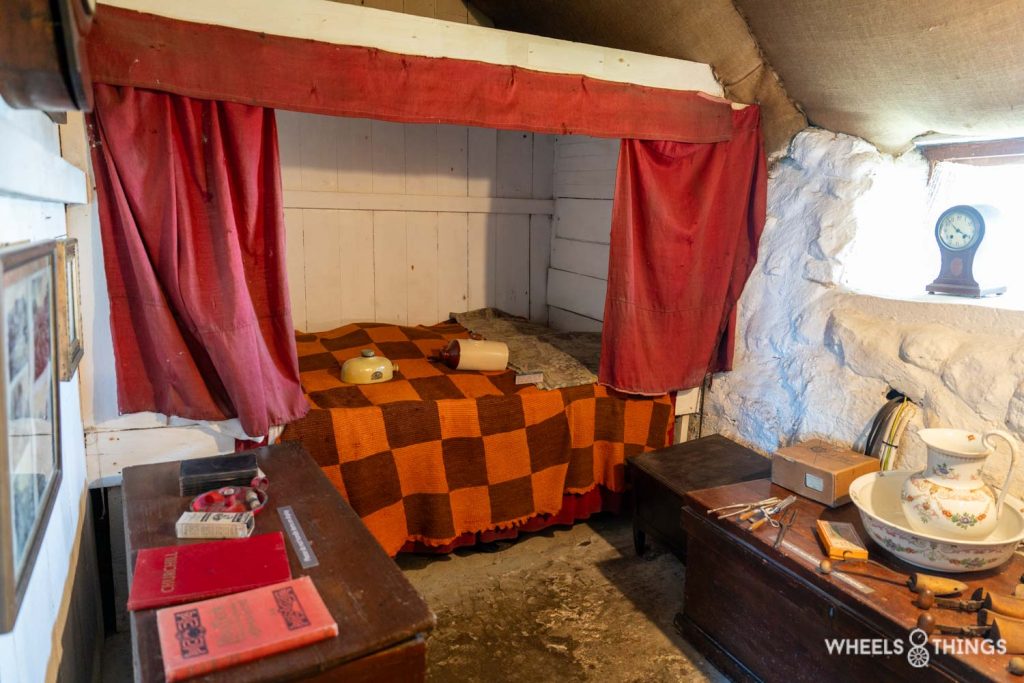
The museum shows the life of the inhabitants of Sky from a good 100 to 200 years ago. It shows that, especially in the older buildings, there was no luxury. Buildings actually served only to provide shelter during the night and in very bad weather conditions. The life of the Sky inhabitants took place mainly outdoors. The museum is open from Easter to the end of September.
Direction Applecross
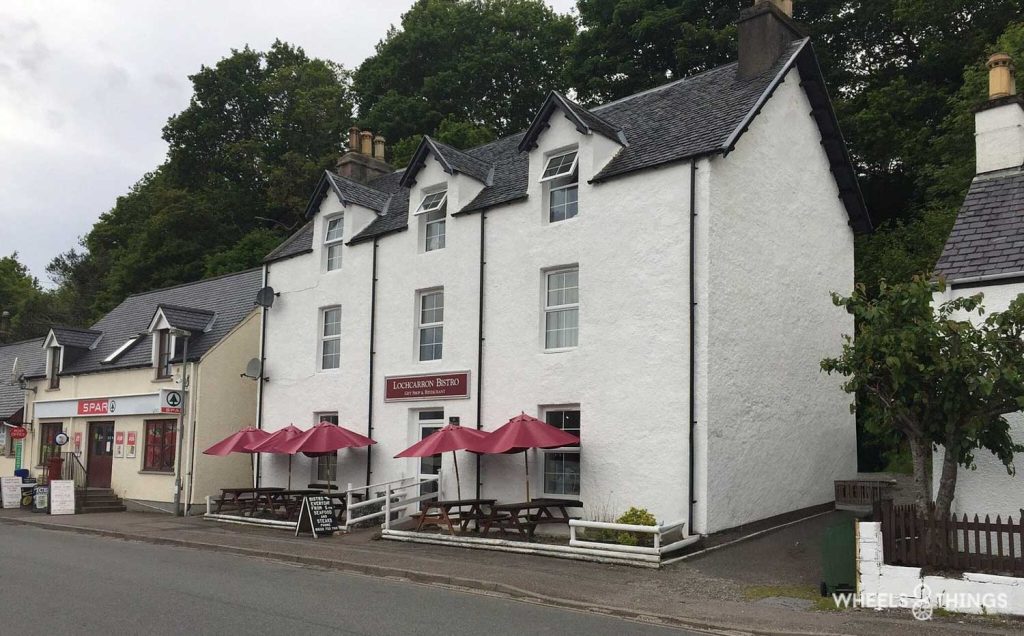
Driving around Sky and stopping regularly is difficult to do in a single day. In fact, you really need to set aside two days for this. Around 7 p.m., we arrived in Lochcarron, a tiny village with a few restaurants. Since we still had more than two hours to drive to our final destination in Applecross, we decided to eat here, otherwise it would be too late.
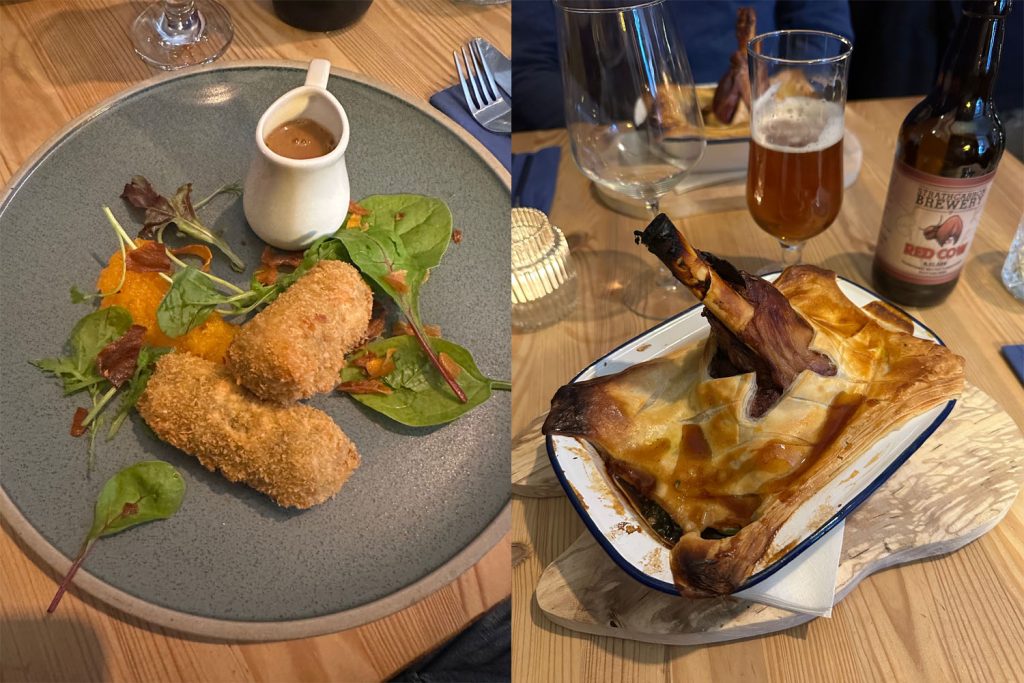
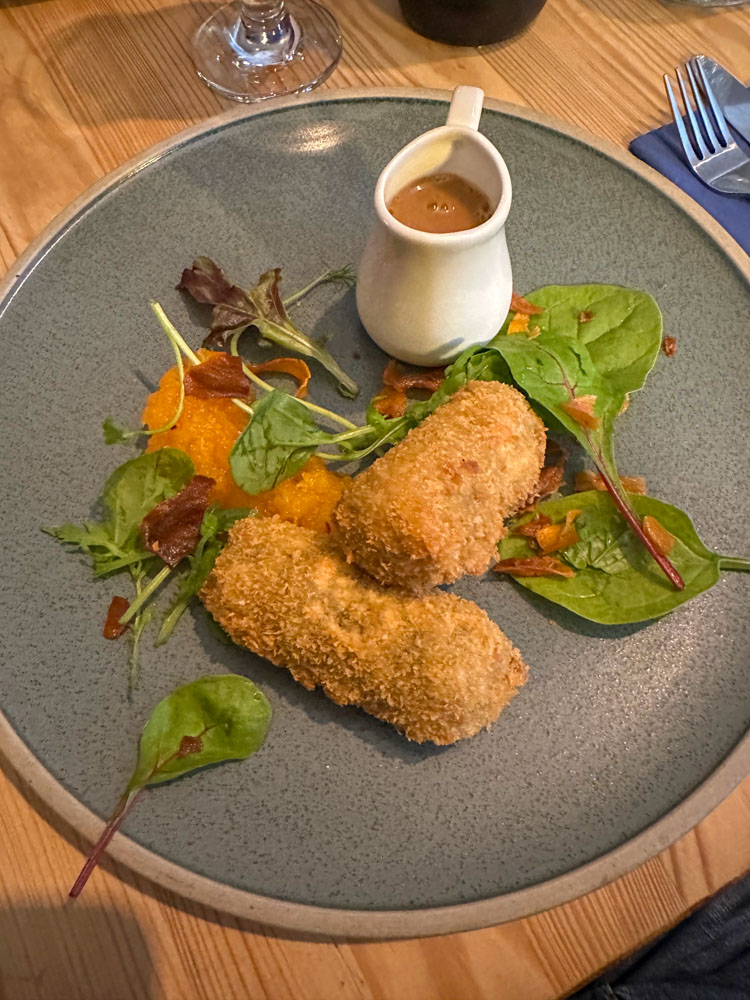
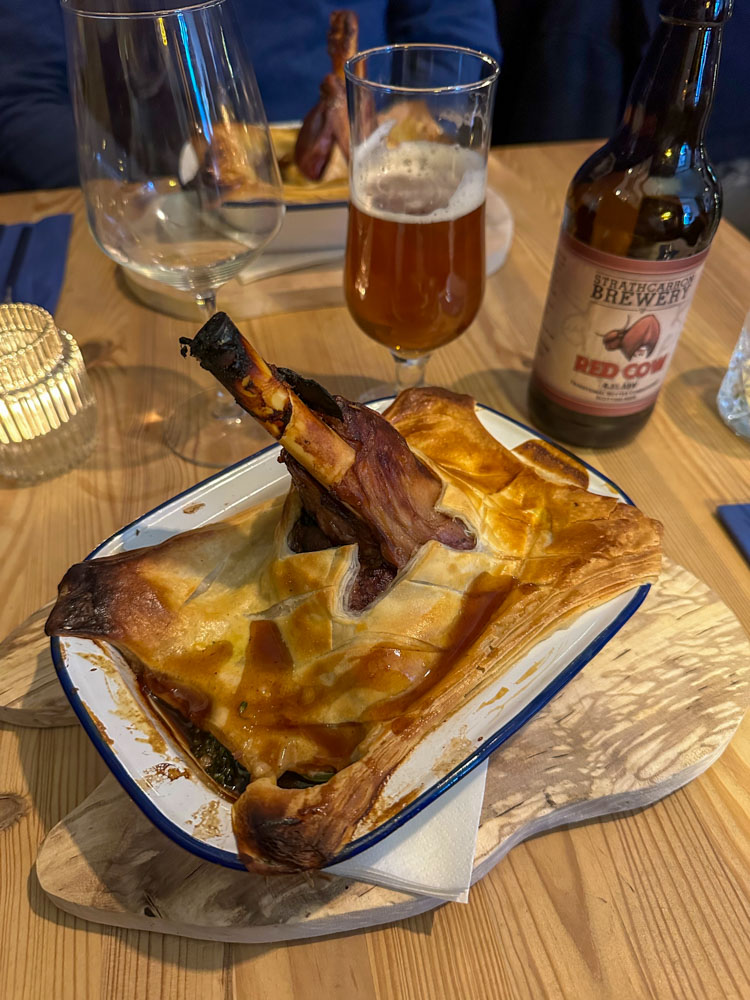
We opted for the Lochcarron Bistro restaurant, which turned out to be an excellent choice. On the left, you can see delicious haggis croquettes and on the right, a leg of lamb in soup, covered with puff pastry. Both were truly finger-licking good.
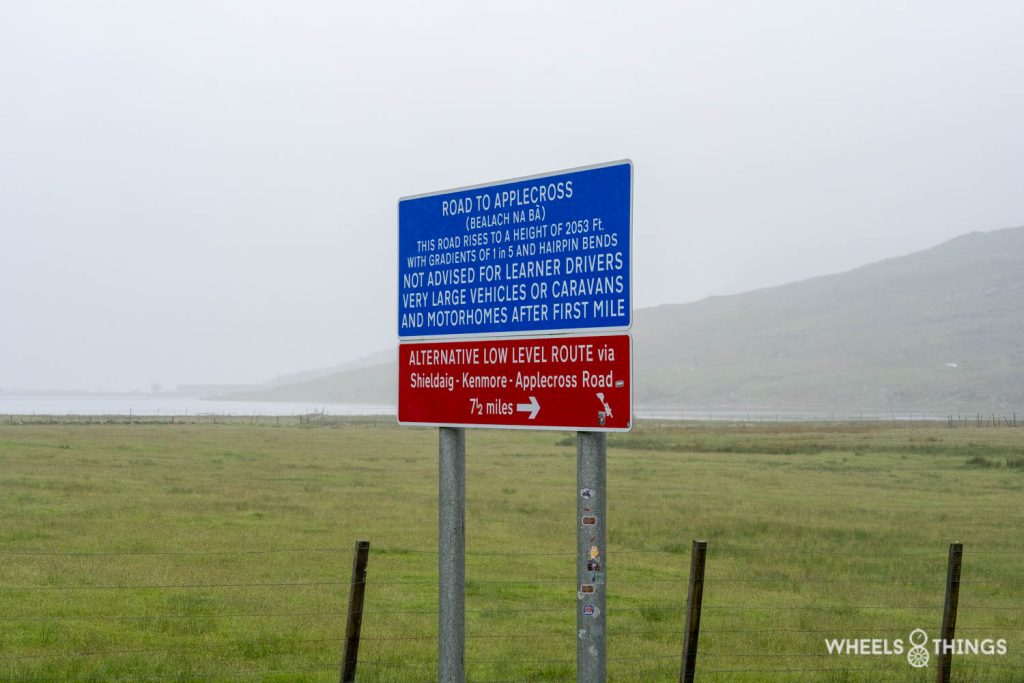
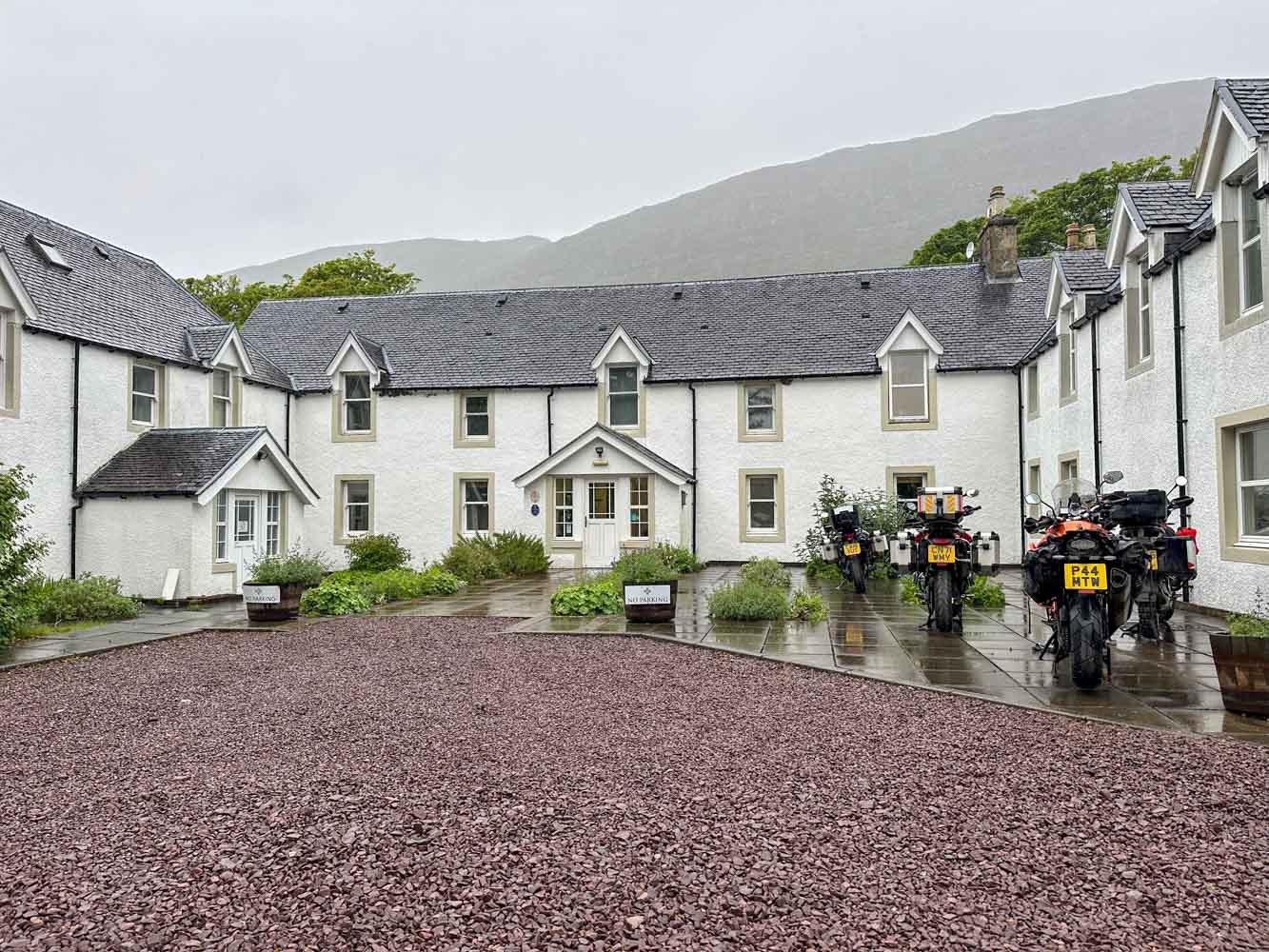
We happened to strike up a conversation with a couple of Flemish people who were there on their motorbikes. They warned us that the Bealach na Ba pass we were planning to tackle was the highest and most challenging in the whole of the UK. And that they would never ride it in the dark.
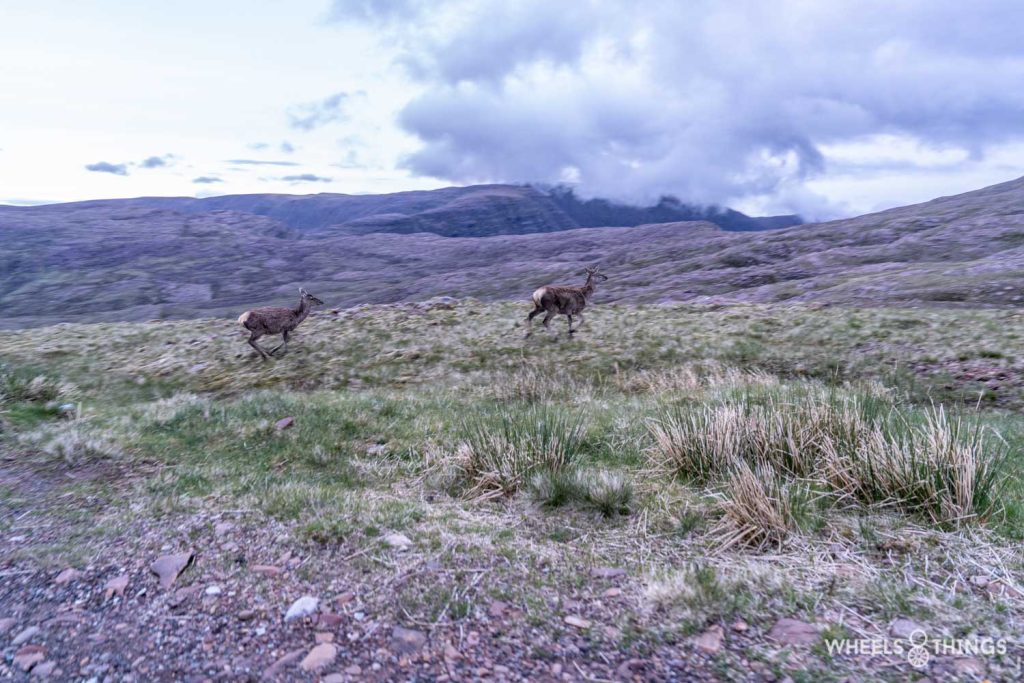
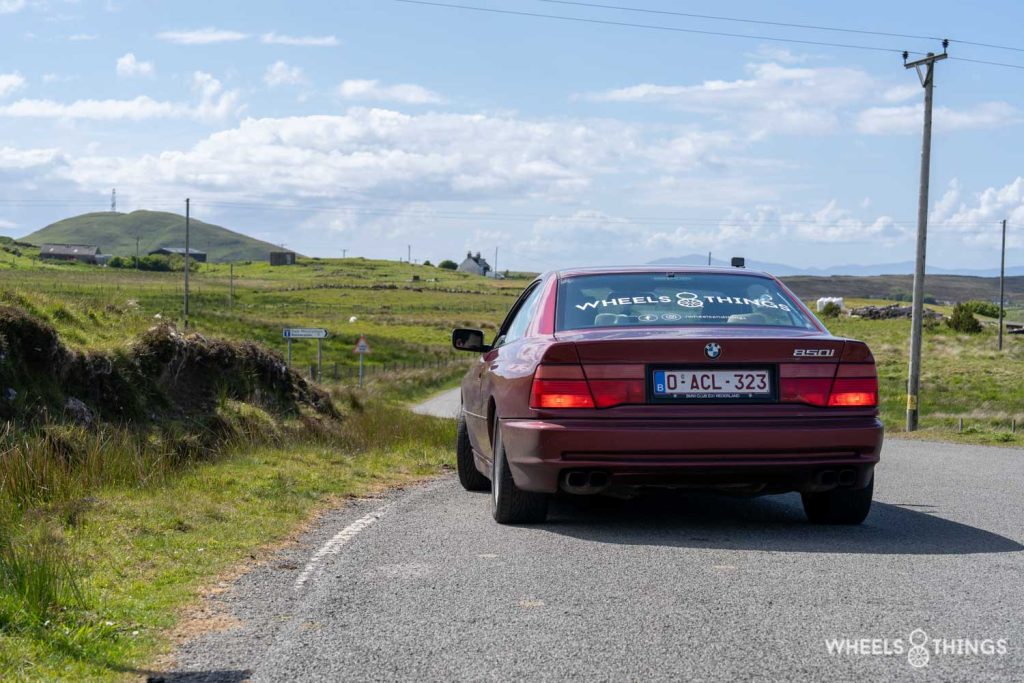
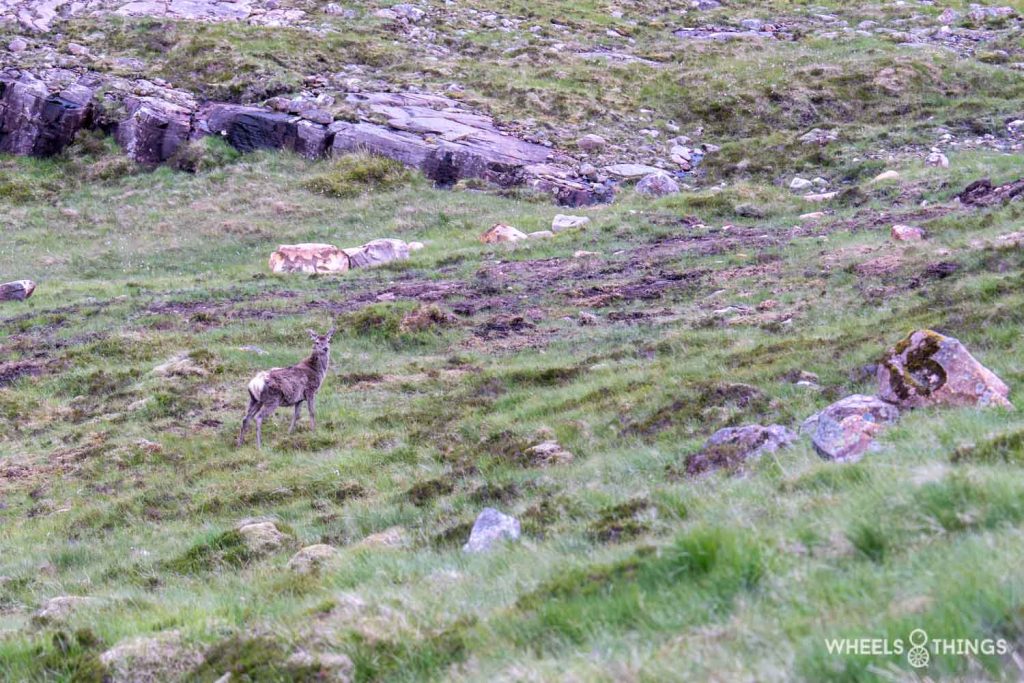
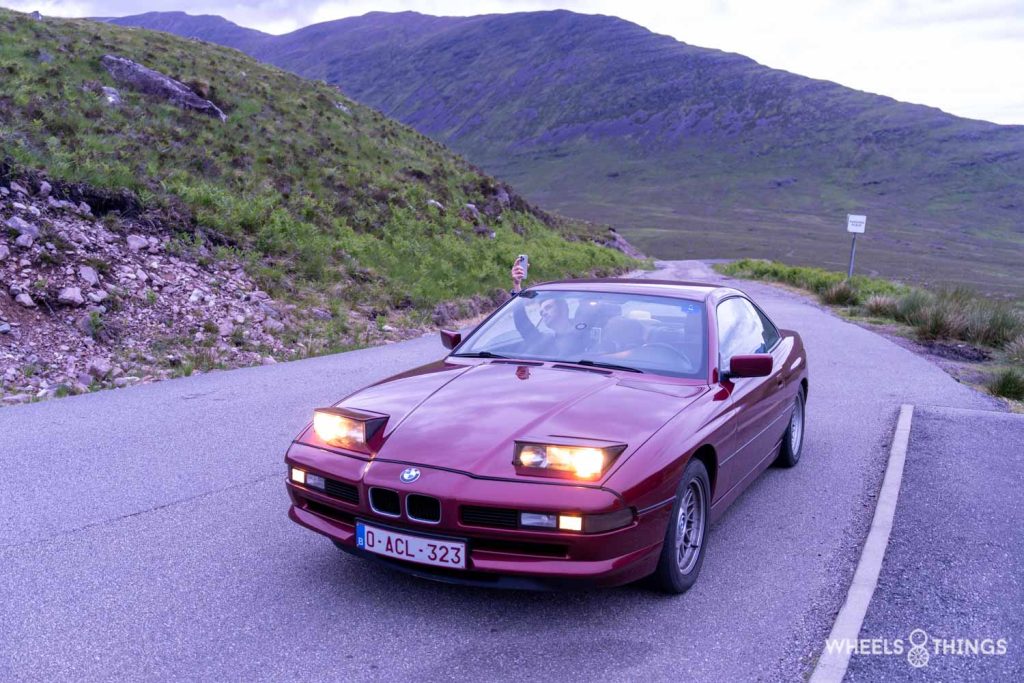
Since our stay in Applecross was booked and paid for, there was little else to do but set off on the trip. And yes, it is challenging in terms of bends, but that was nothing new for us. What was new, however, was that we started the journey at dusk and by the time we reached our destination, it was pitch dark. And those bends in the twilight on a single-lane road are still somewhat manageable. What did give me a serious fright on several occasions were the countless deer that suddenly crossed the road in front of your car.
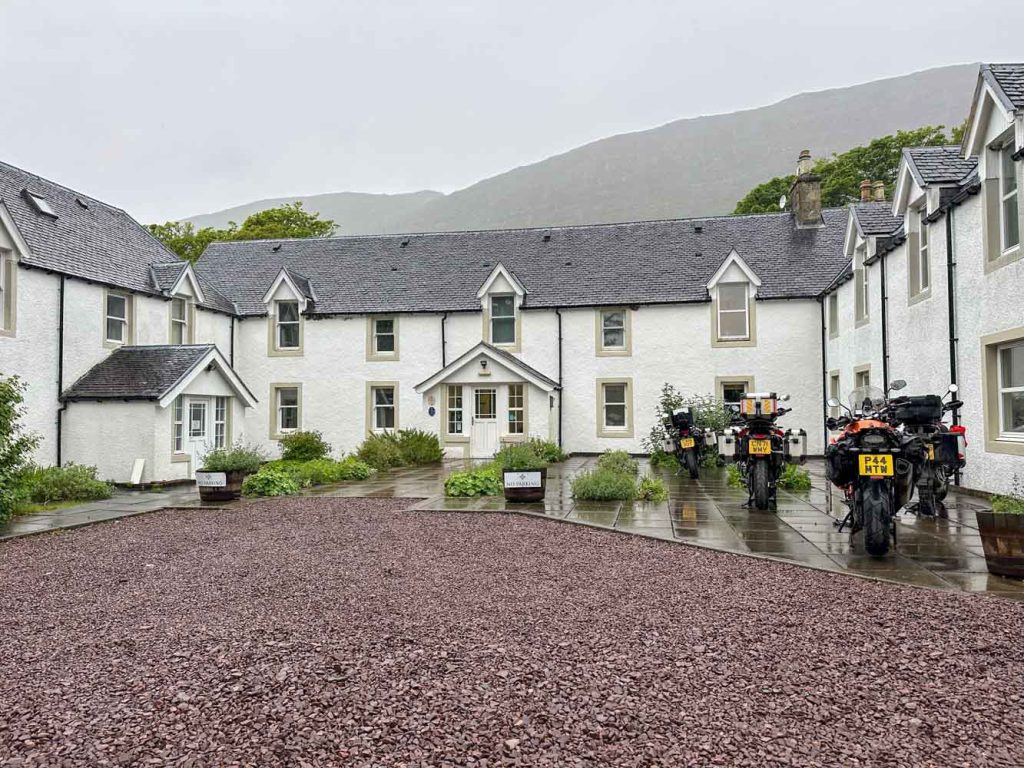
When we arrived at our accommodation around 11 p.m., there was no one there. The envelope with the key to our room was not there, and we could not reach anyone. So, after a long day, this was a rather unpleasant situation. After opening another envelope, we found yet another telephone number. Fortunately, someone answered, and after twenty minutes we were finally able to get into our room.
Day 6: Applecross – NC500 – Elgin 568km
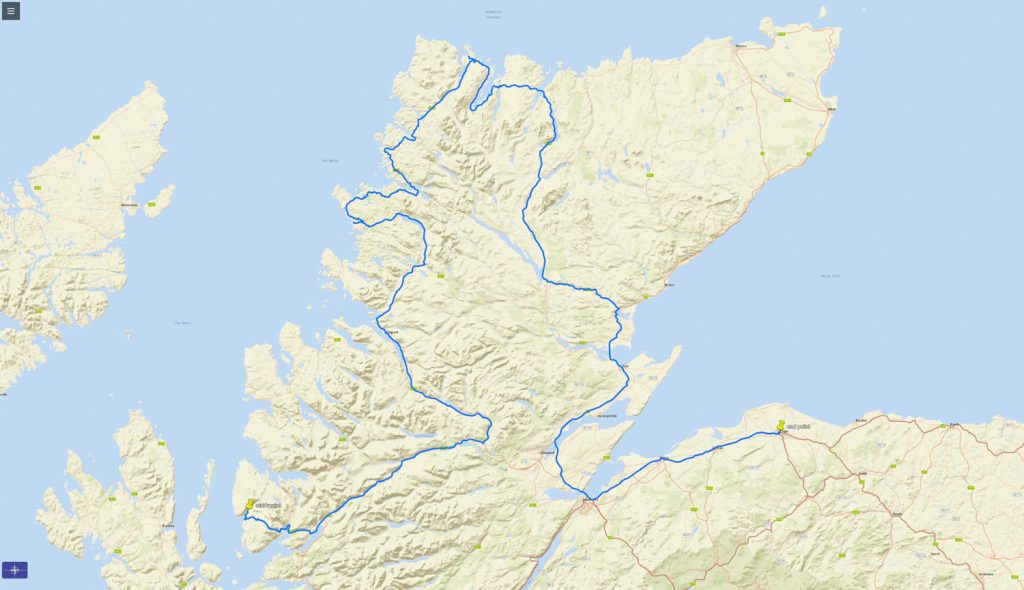
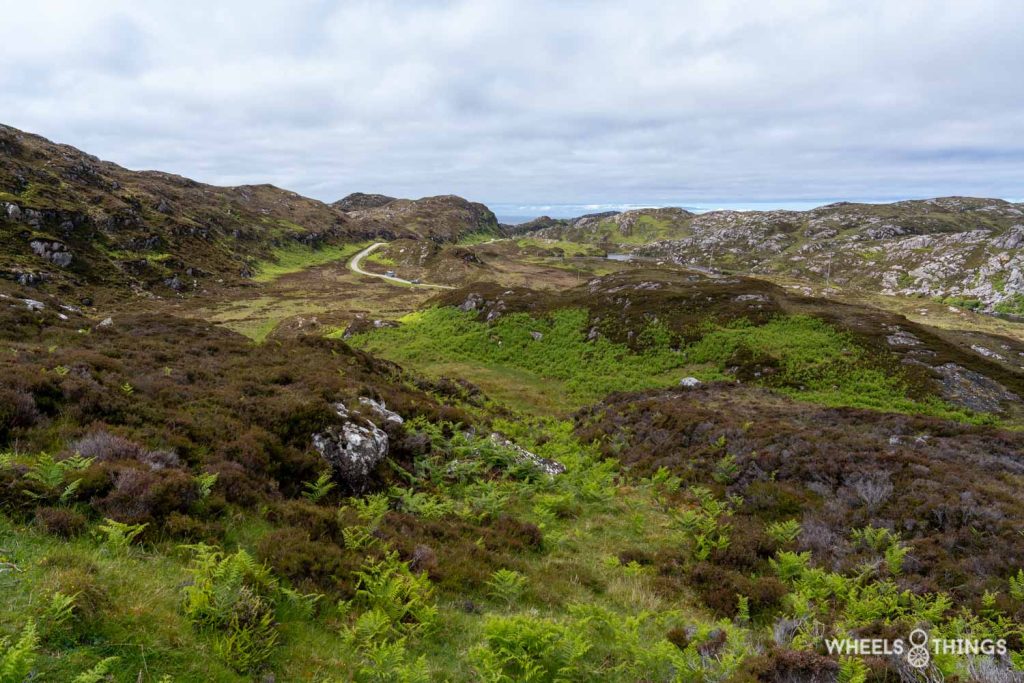
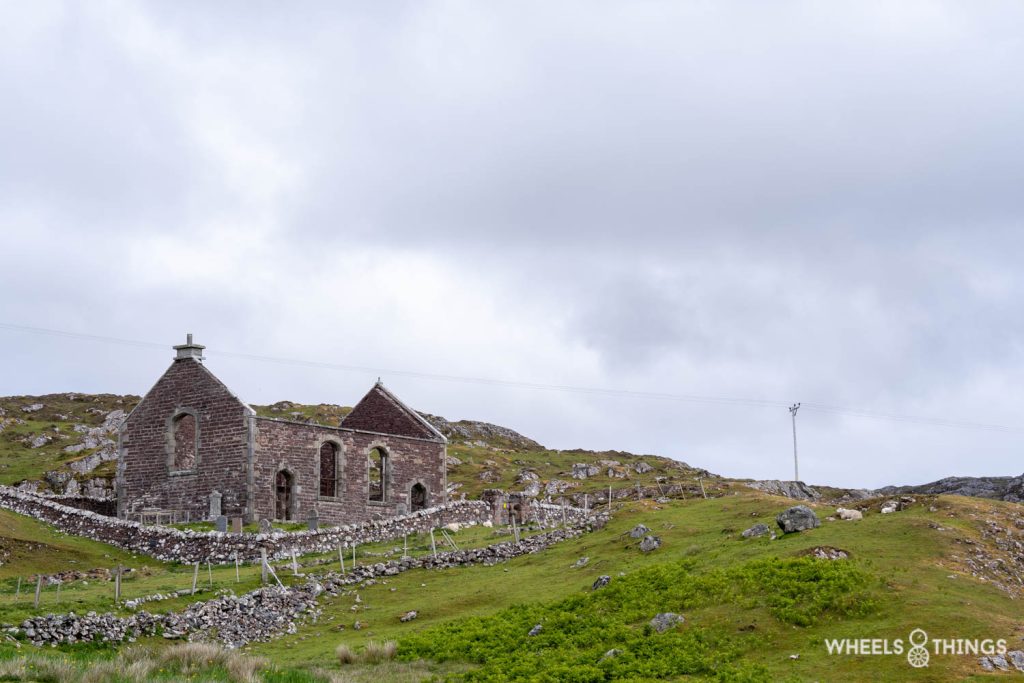
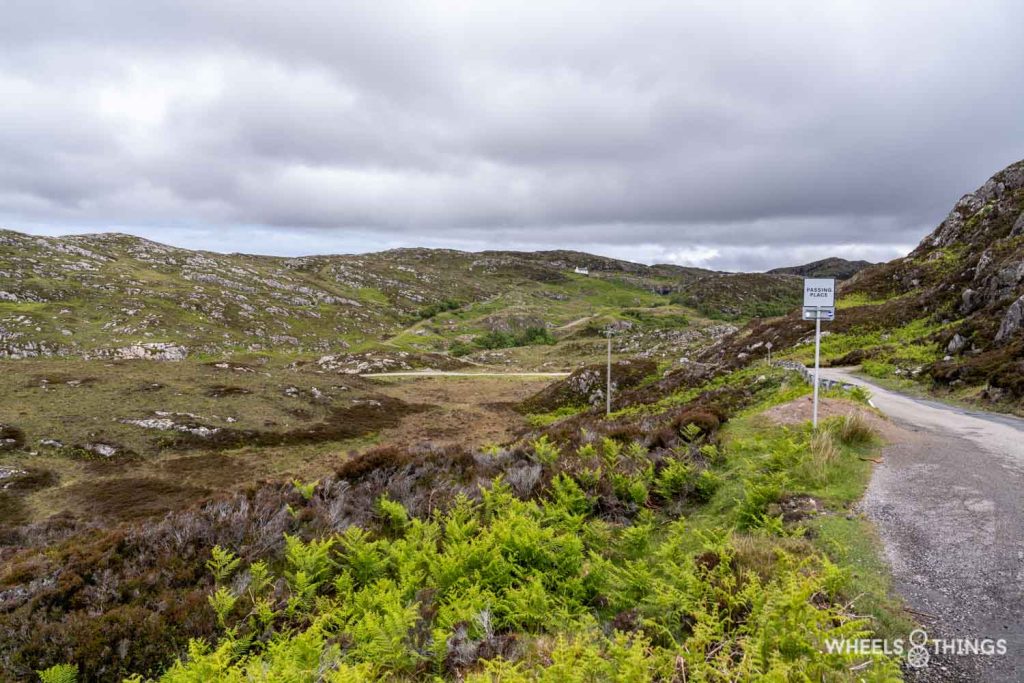
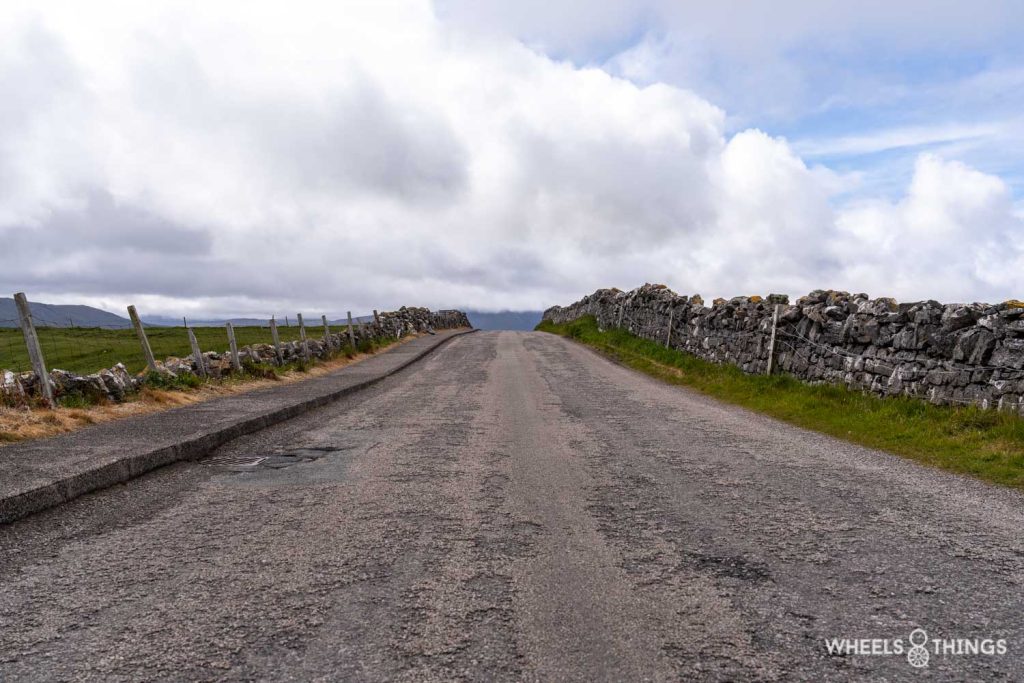
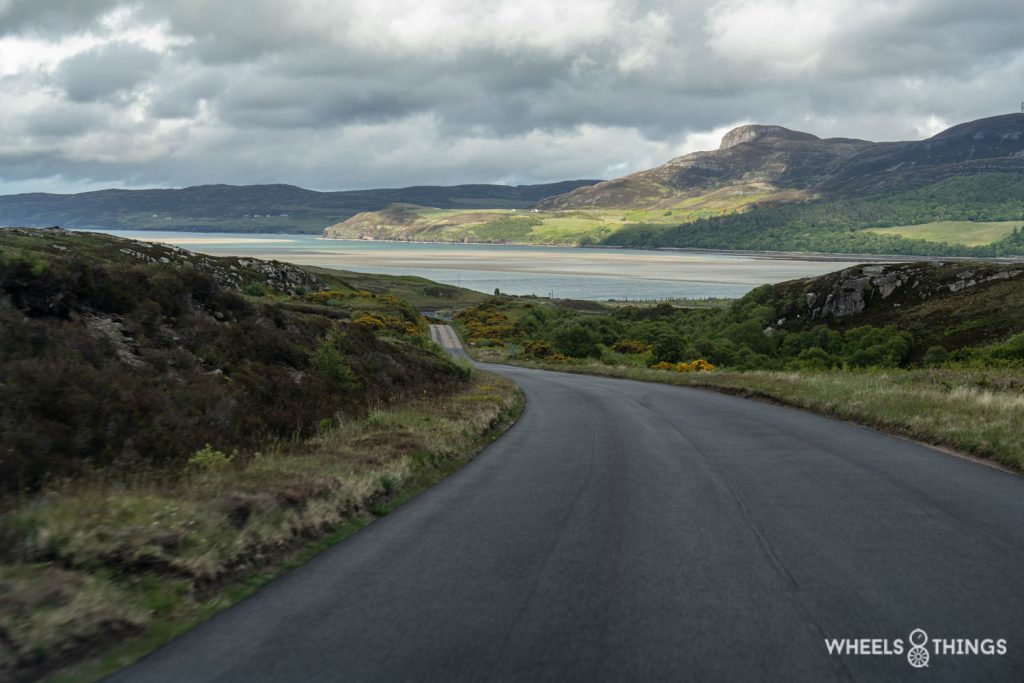
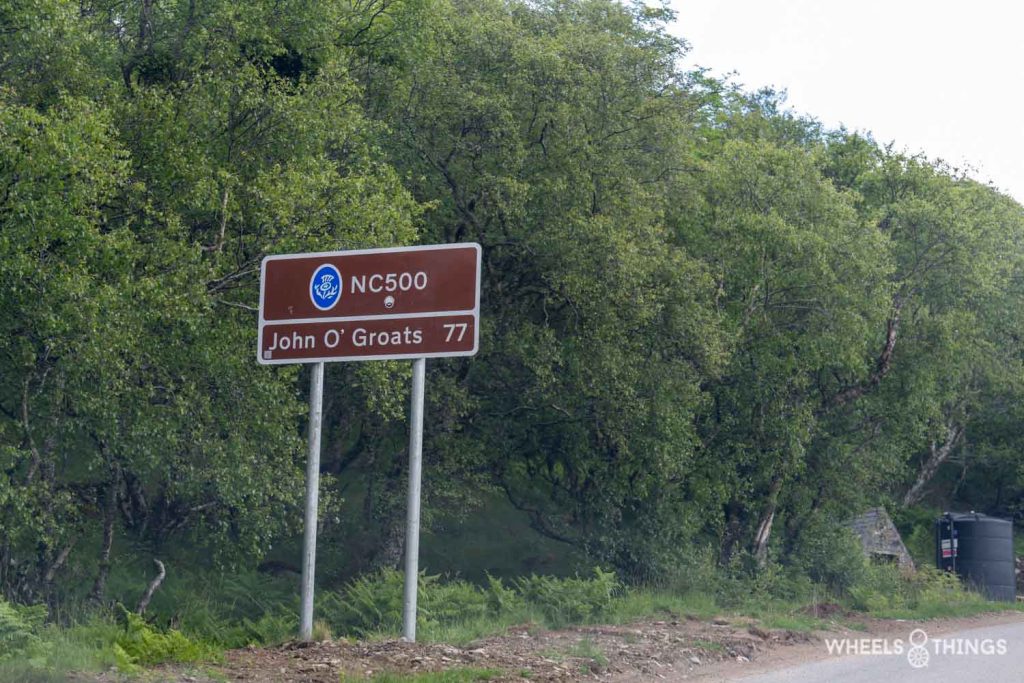
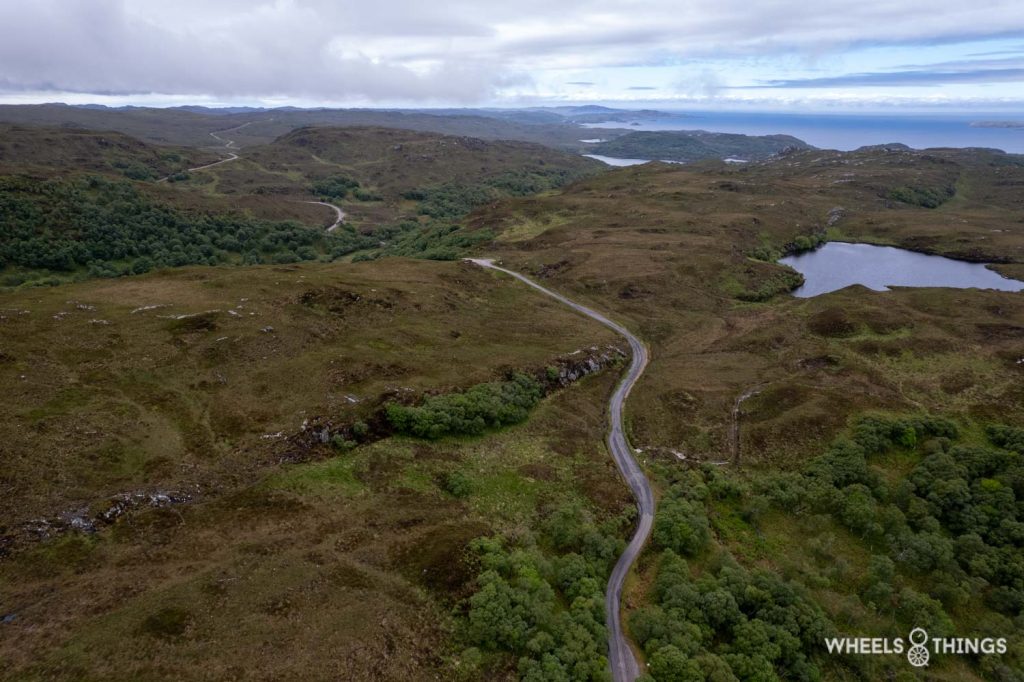
Today, the NC500 is on the agenda, or at least part of it. After yesterday’s really tough day, we thought we’d take it a bit easier. However, nothing could be further from the truth, because here too we realise that doing the entire NC500 in one day is not an option. Today would be 568 km long.
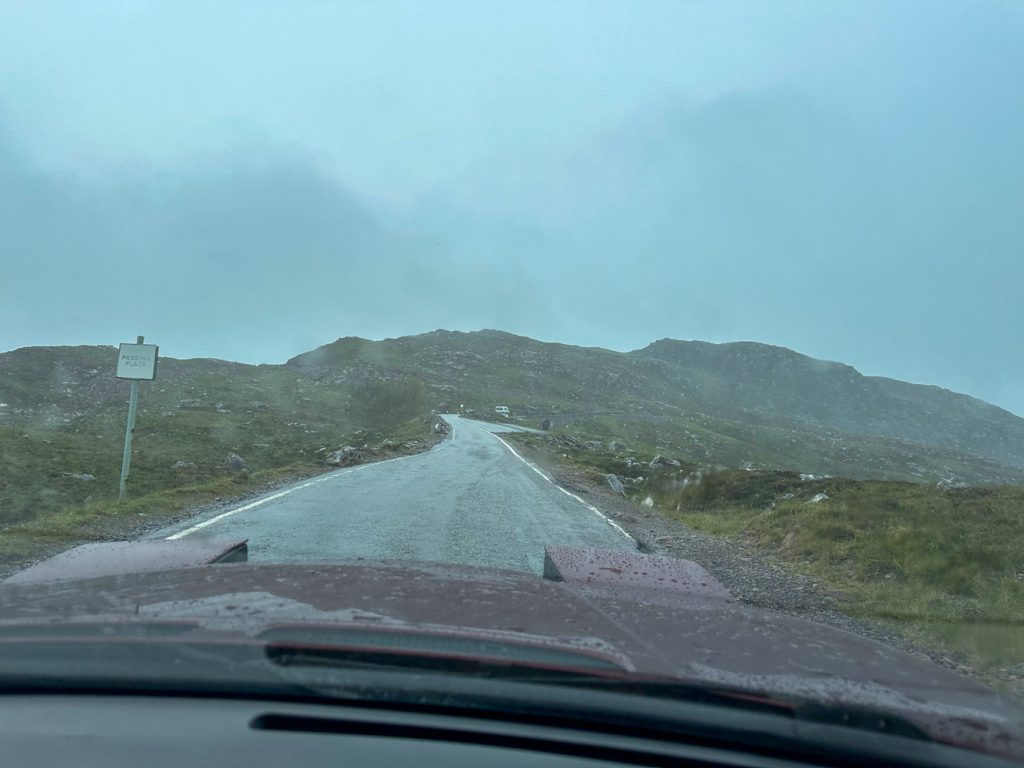
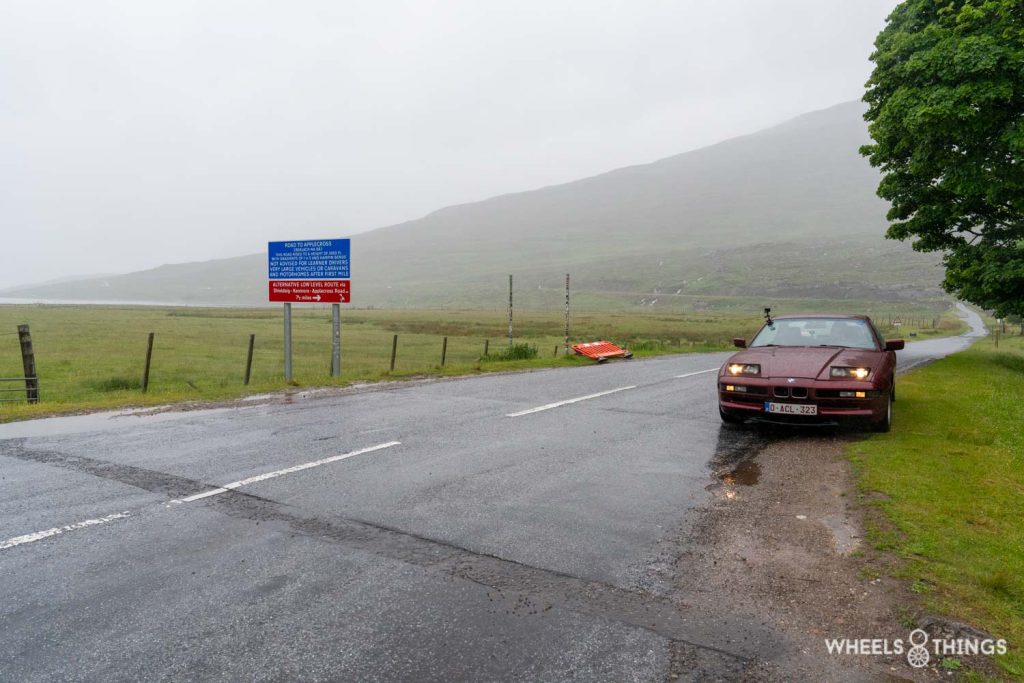
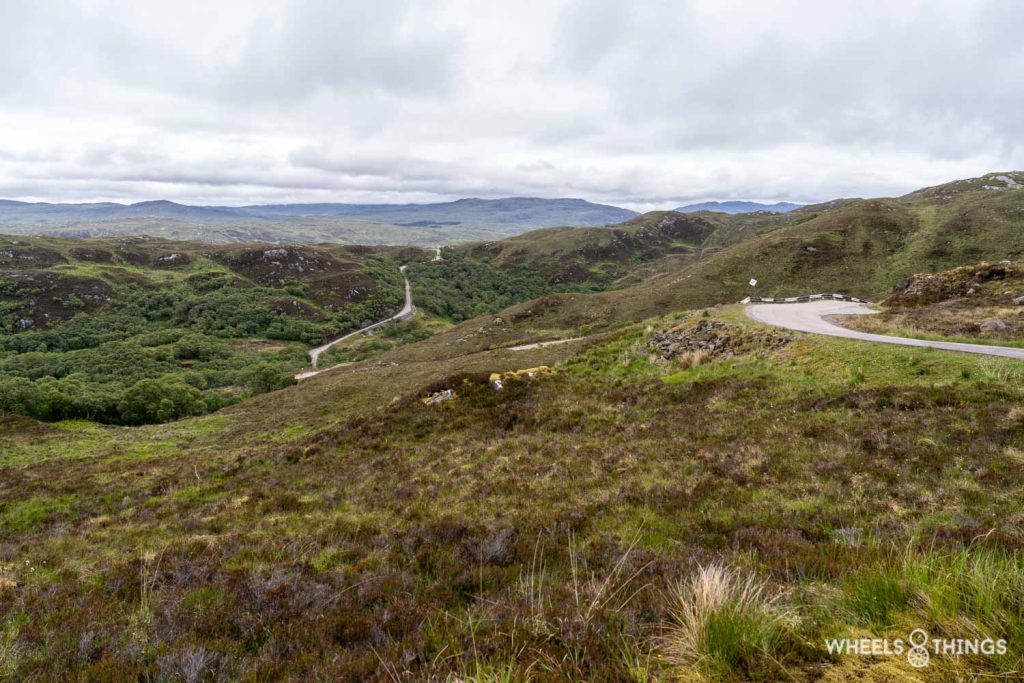
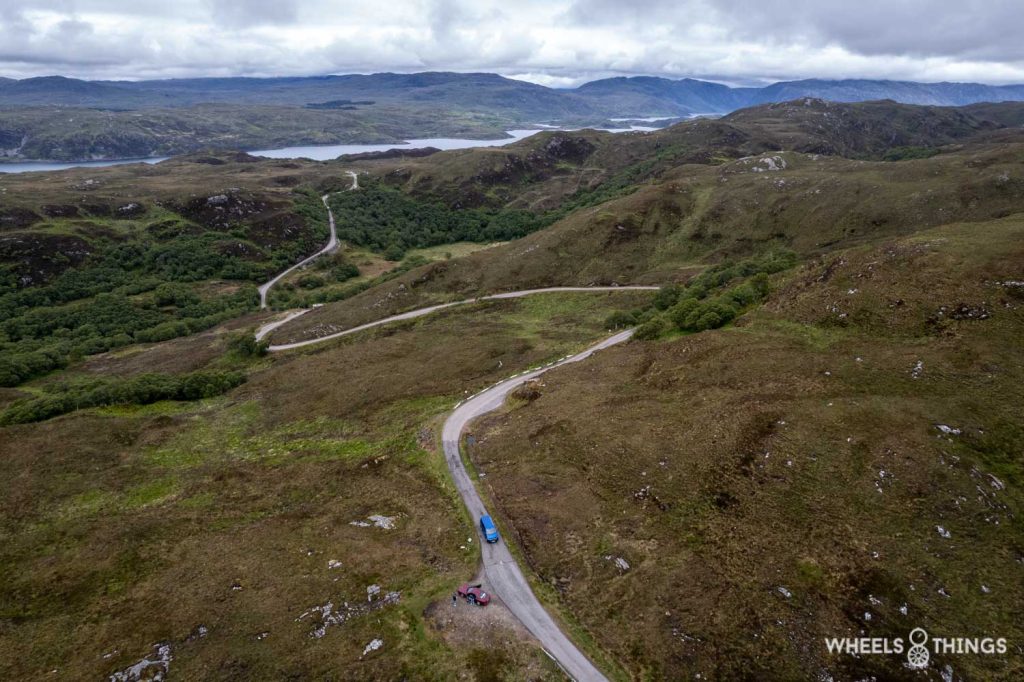
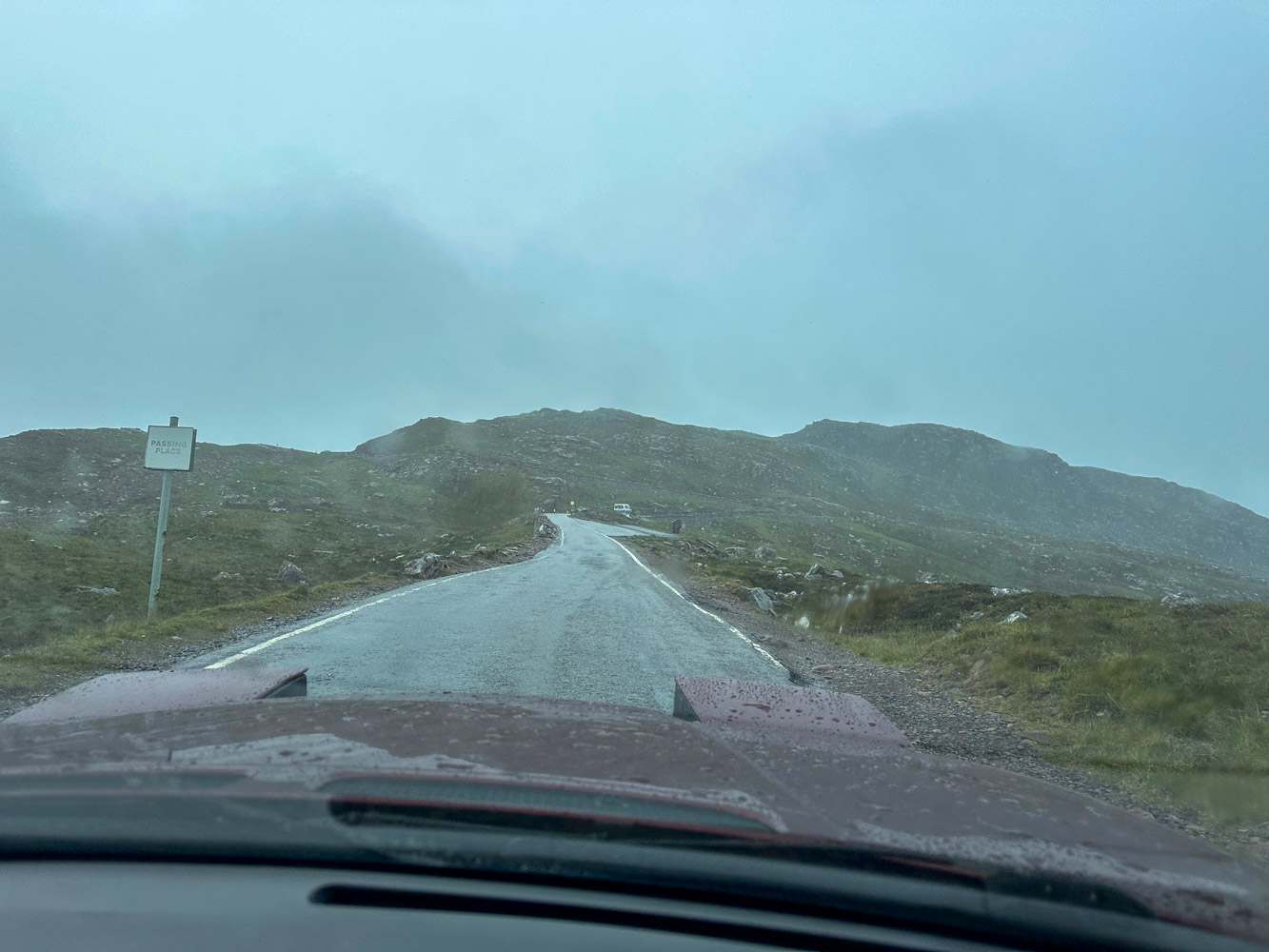
We started the day with the Bealach na Ba pass in the opposite direction and in the rain. Because it was light now, this gave us a different view of this pass, which bridges 626 metres of altitude. The many hairpin bends combined with gradients of over 20% certainly keep you alert.
Glascarnochdam
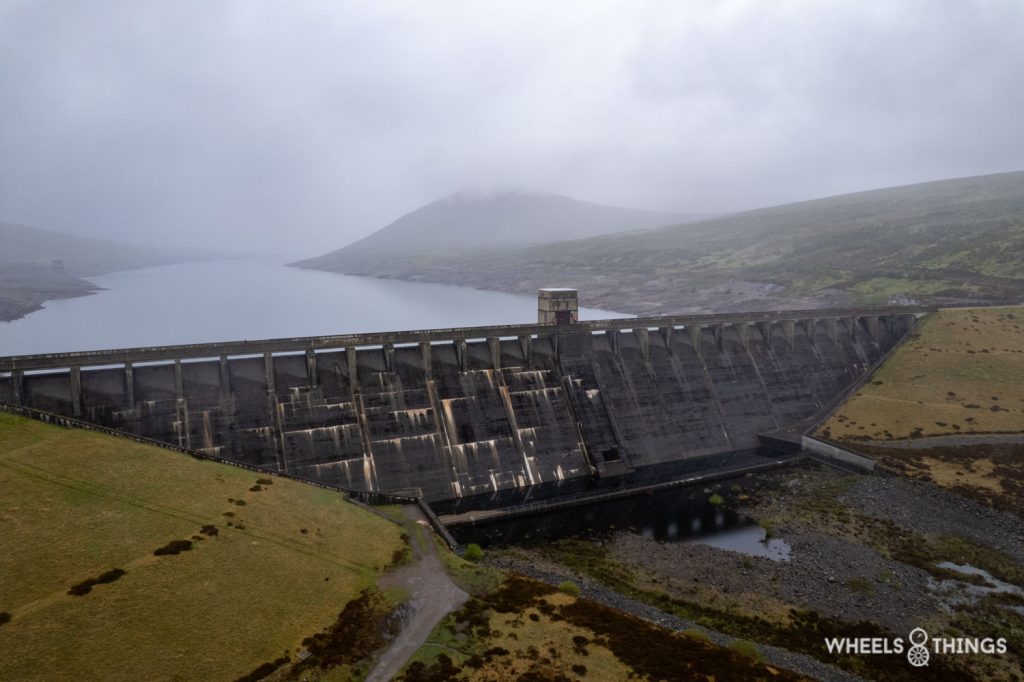
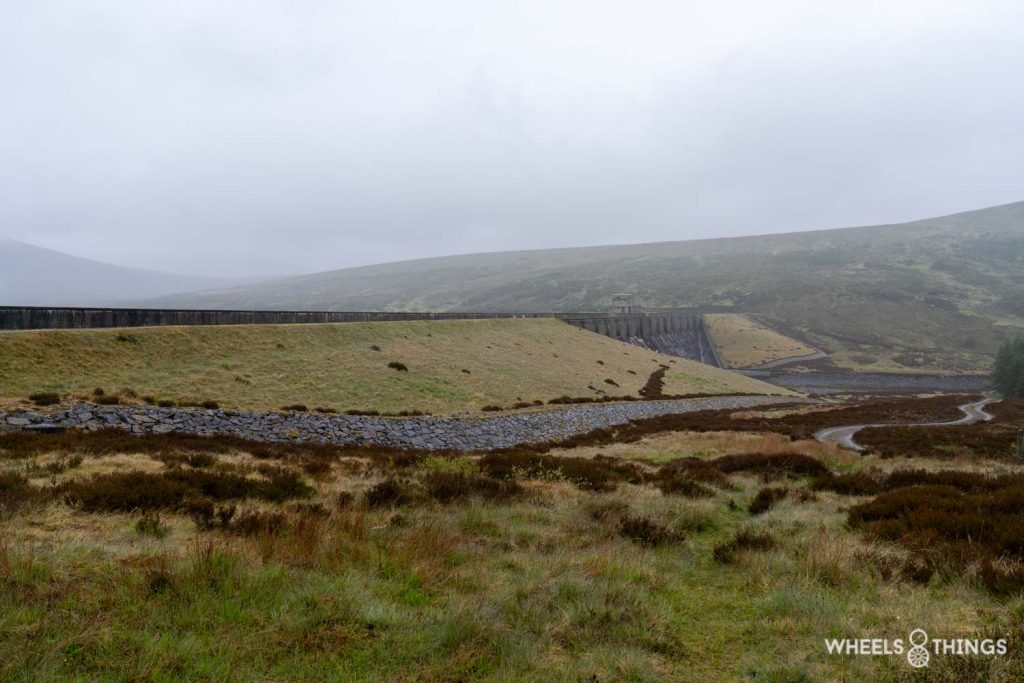
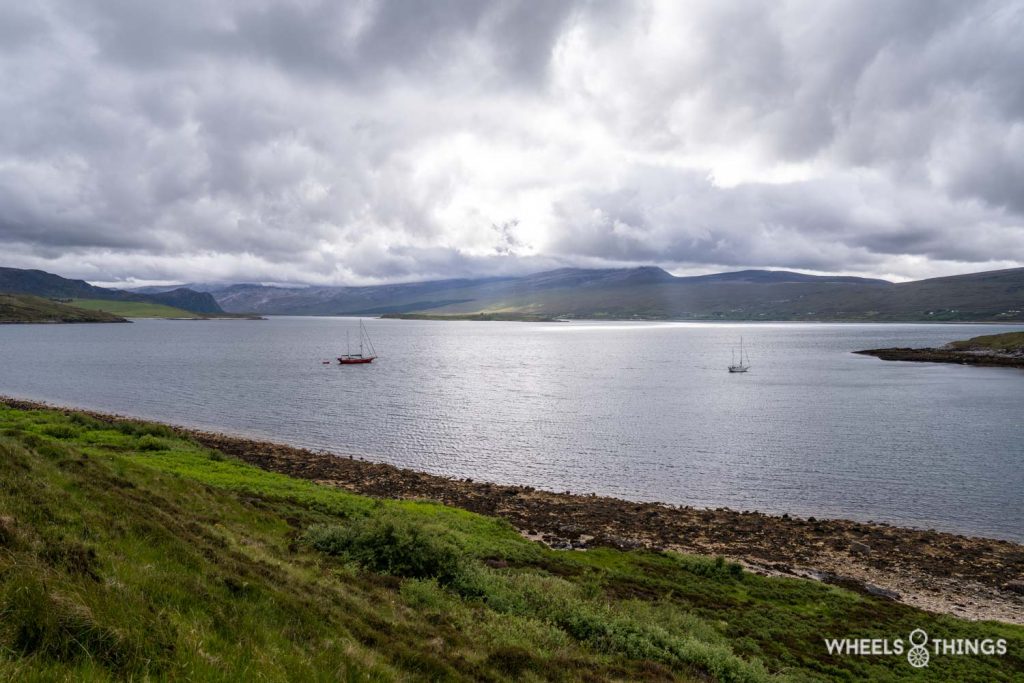
The first stop was at Glascarnoch Dam. This dam is the final section of Loch Glascarnoch and is located between Ullapool and Inverness. At this point, it was still raining, which made flying a drone slightly more difficult.
Ardvreck Castle
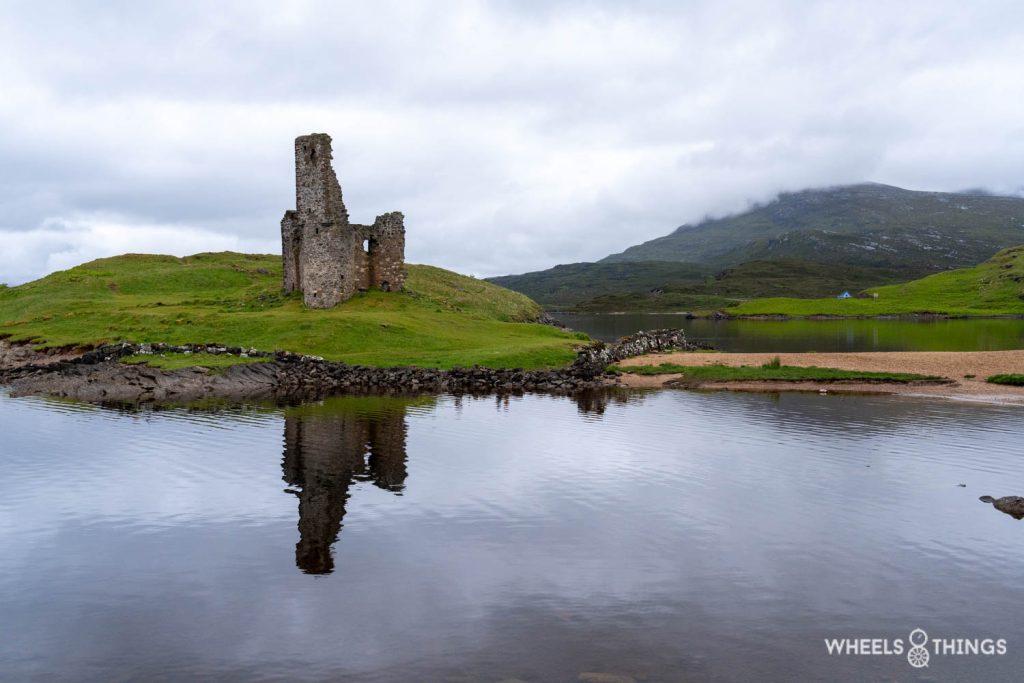
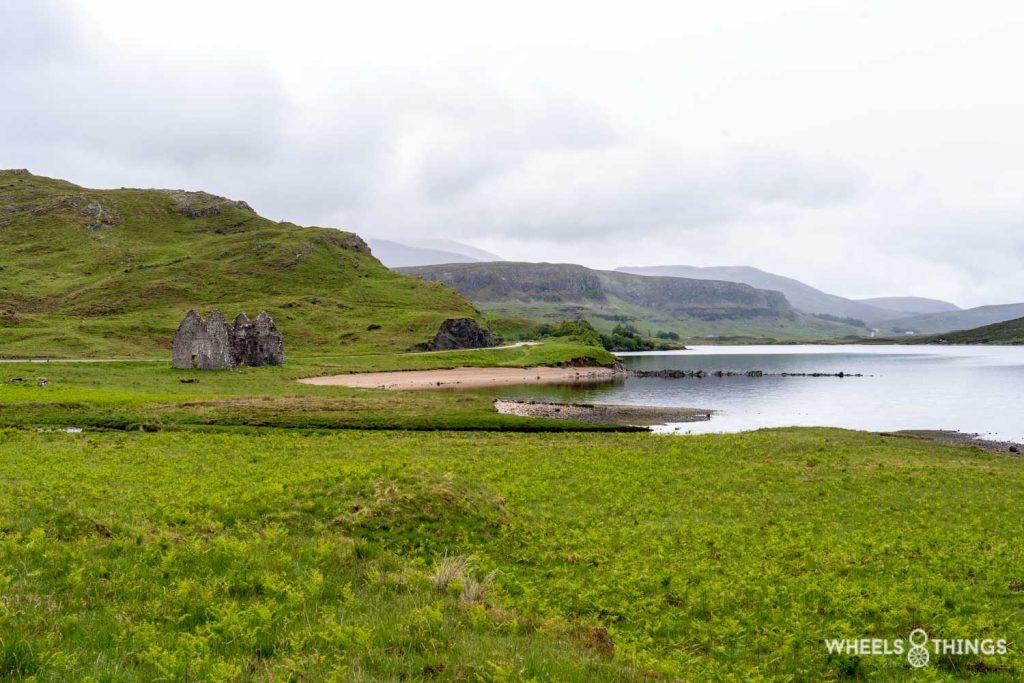
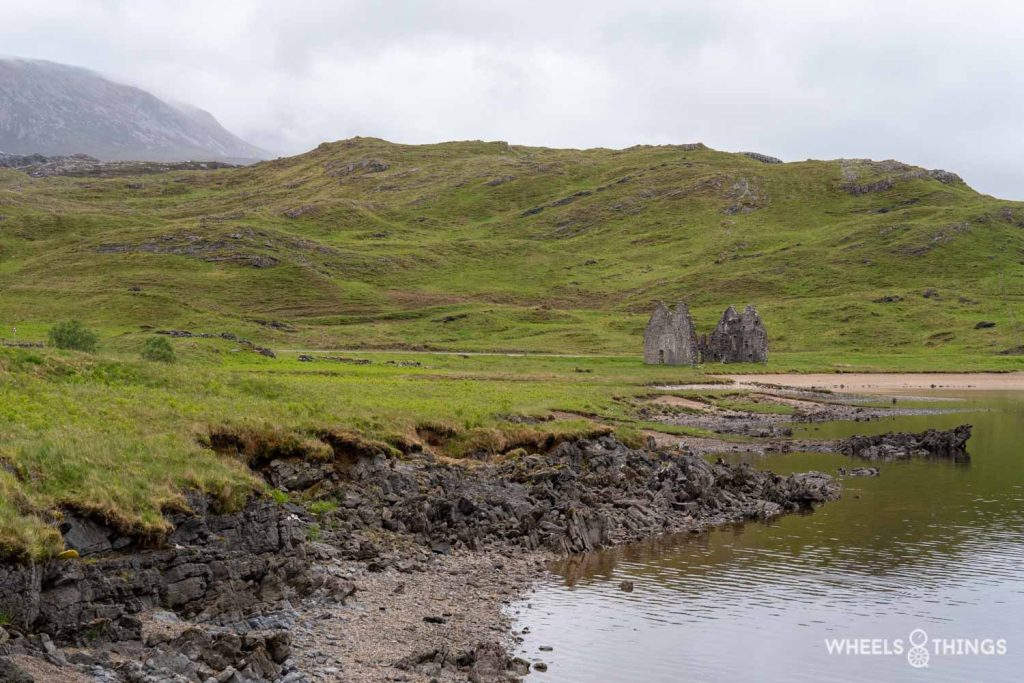
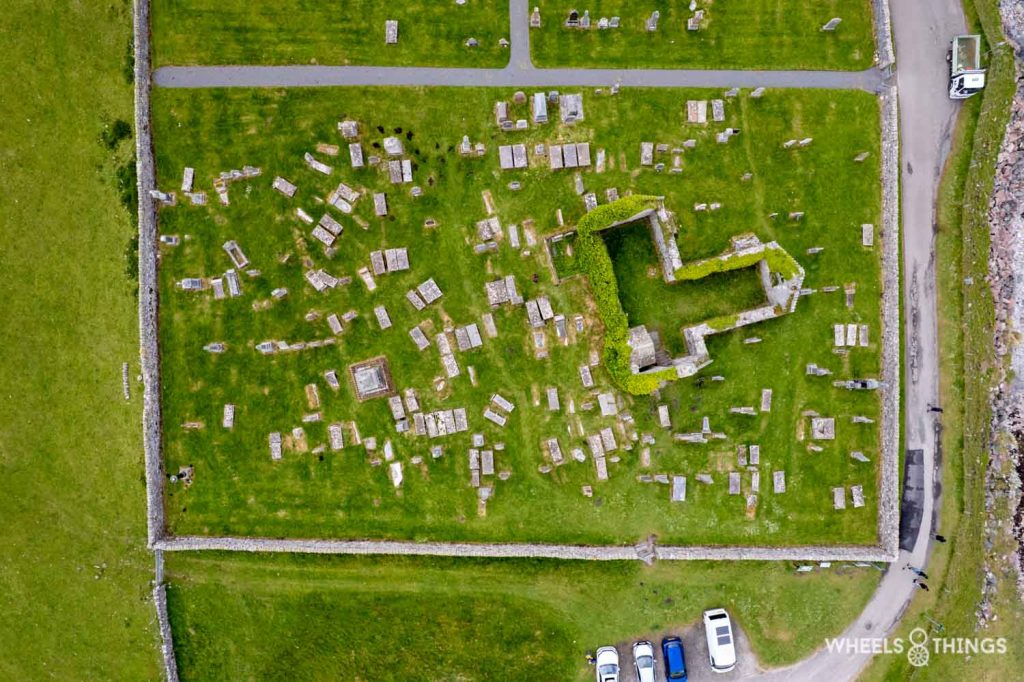
Meanwhile, it had stopped raining and we briefly visited the ruins of Ardvreck Castle and Calda House. The castle, or what remains of it, was built in 1590 and belonged to the Macleods clan, who had owned Loch Assynt since the 13th century.
Beaches in Scotland?
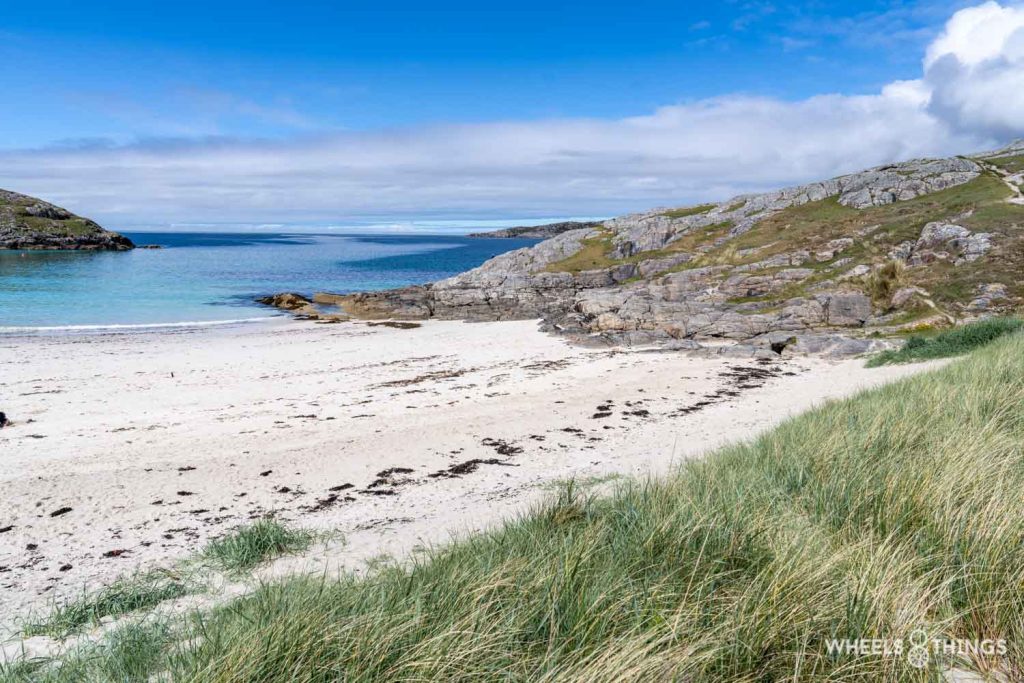
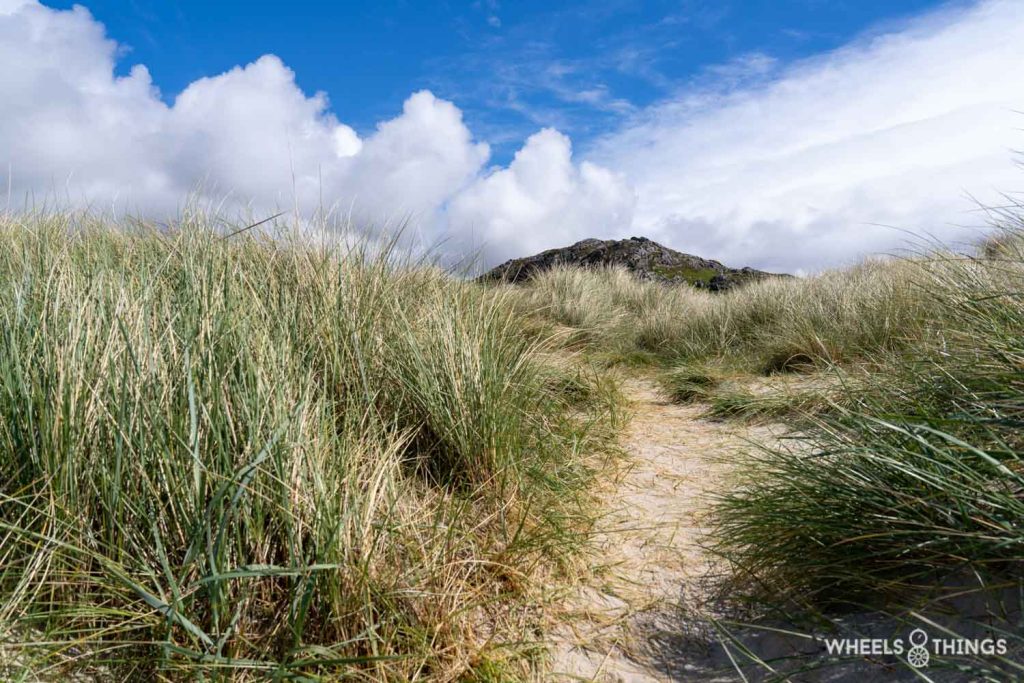
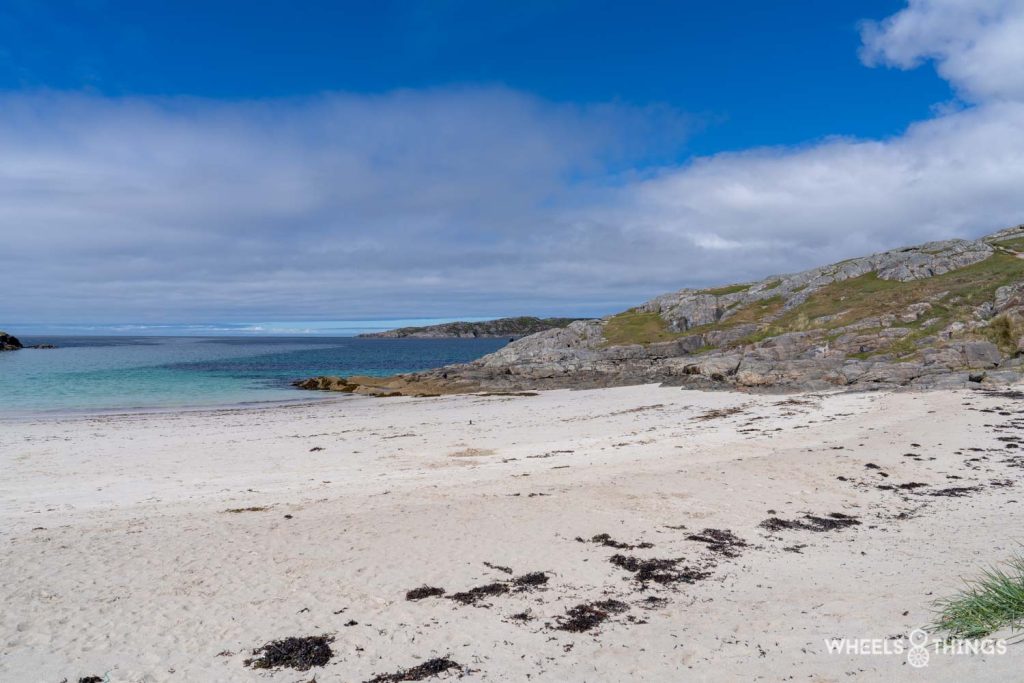
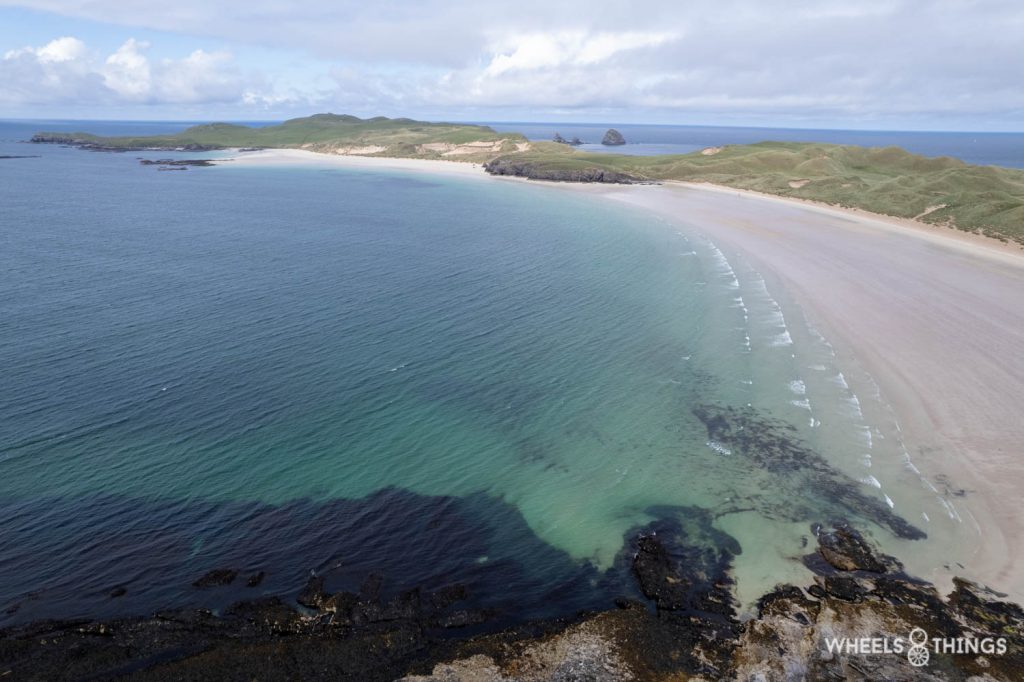
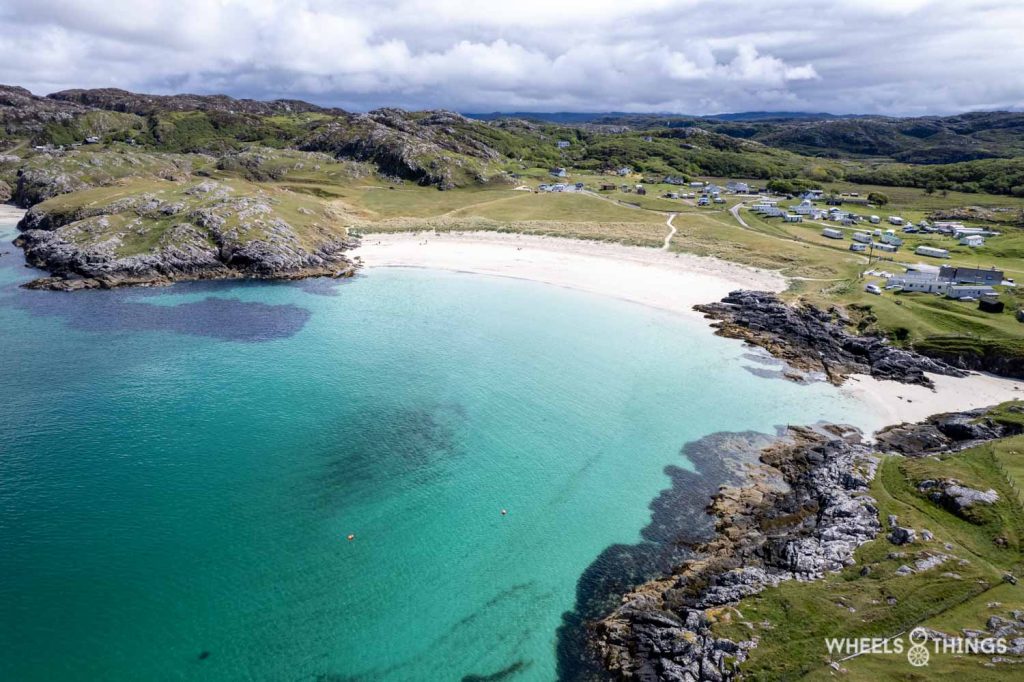
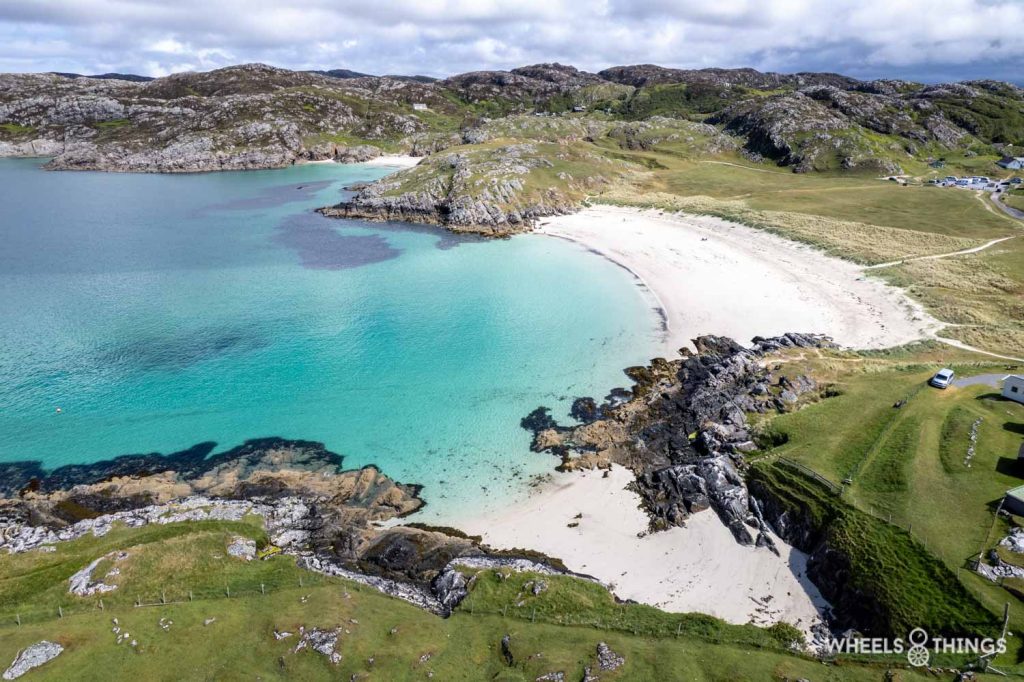
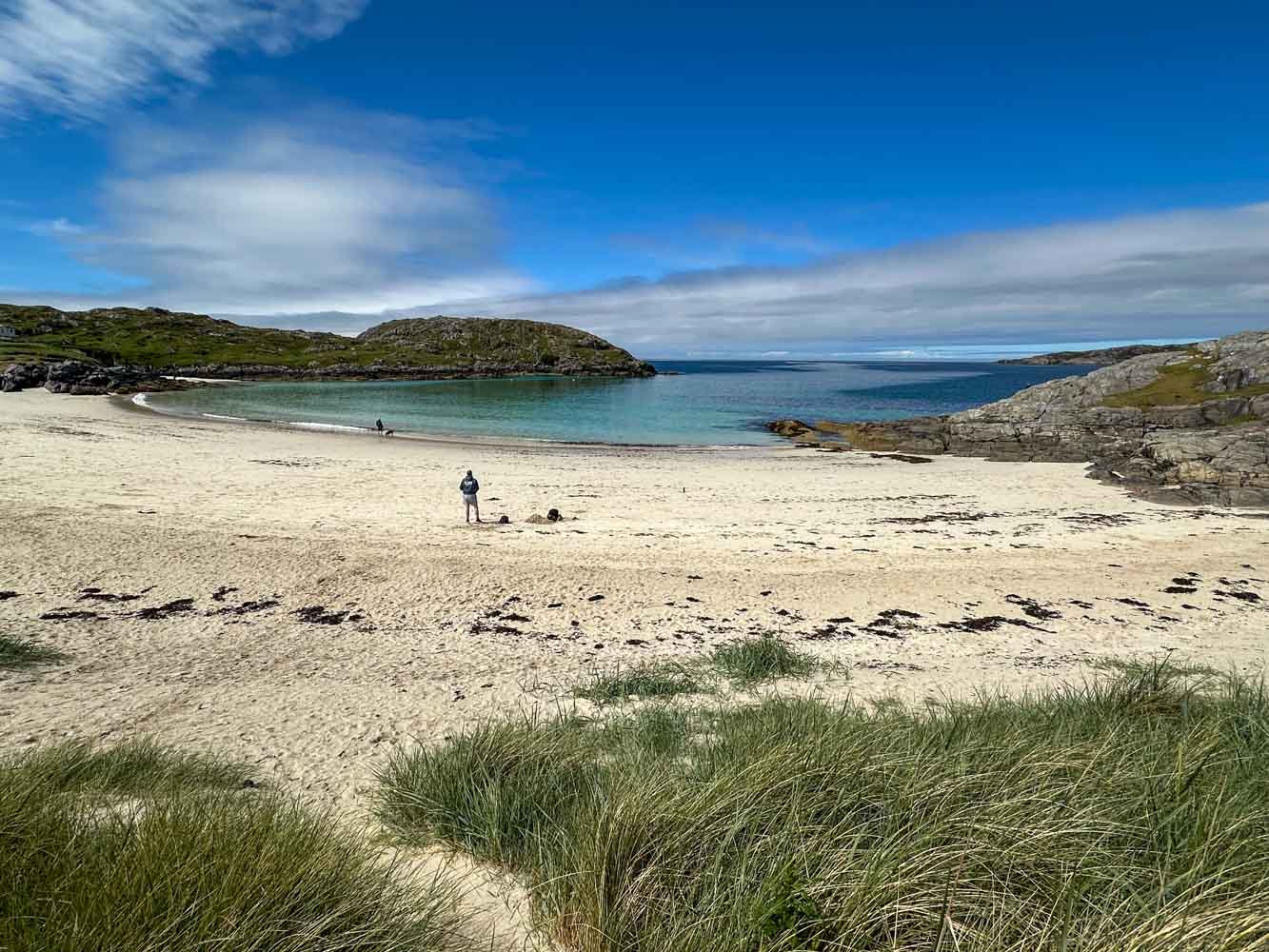
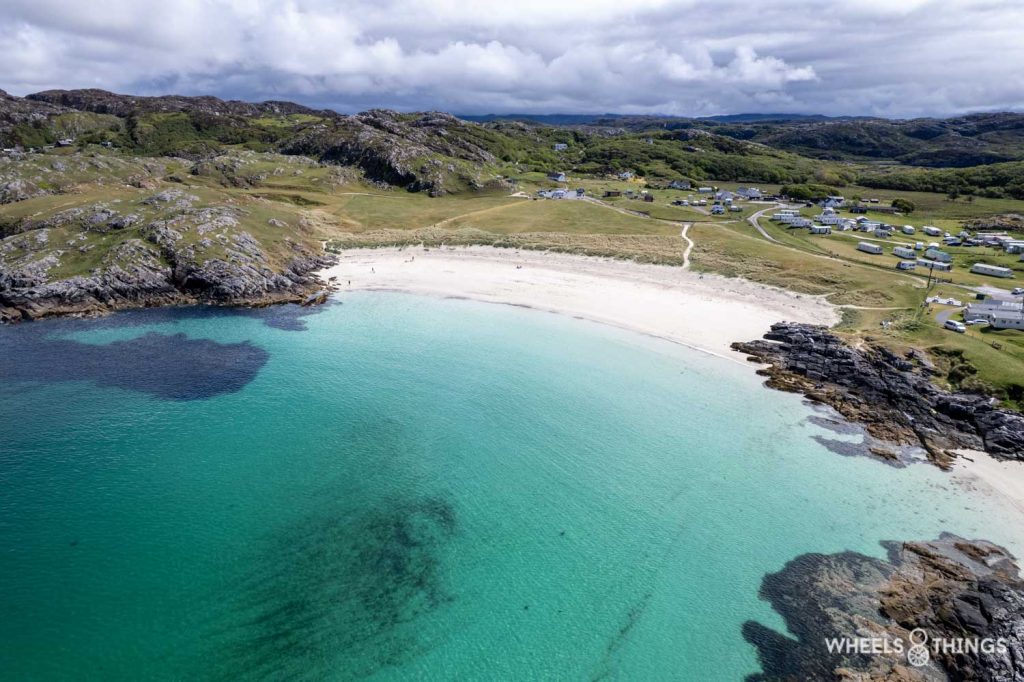
Achmelvich Bay
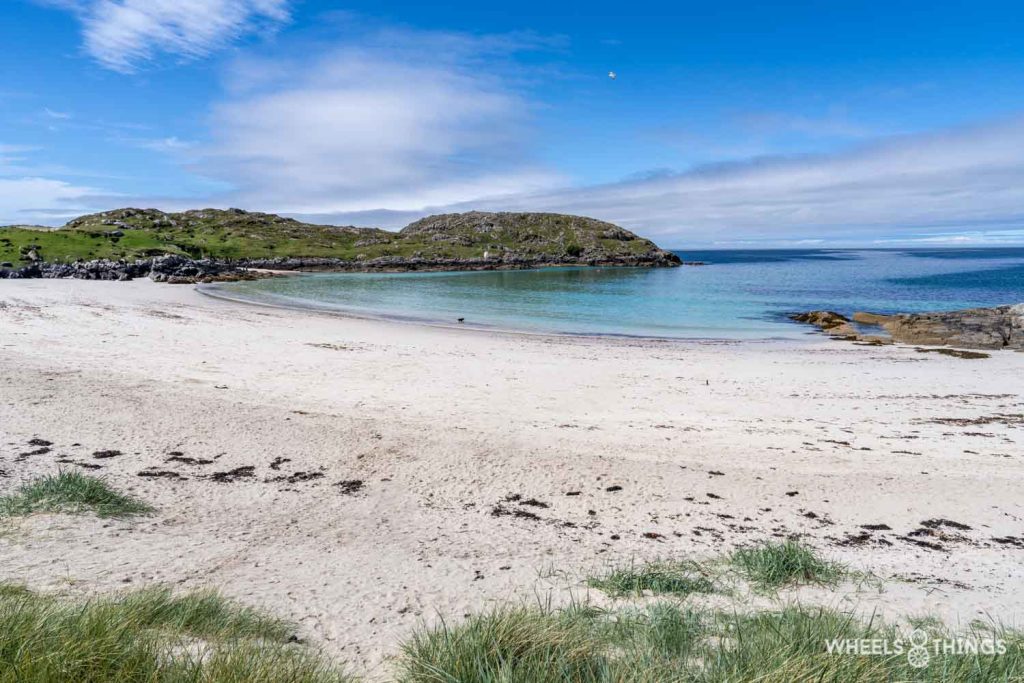
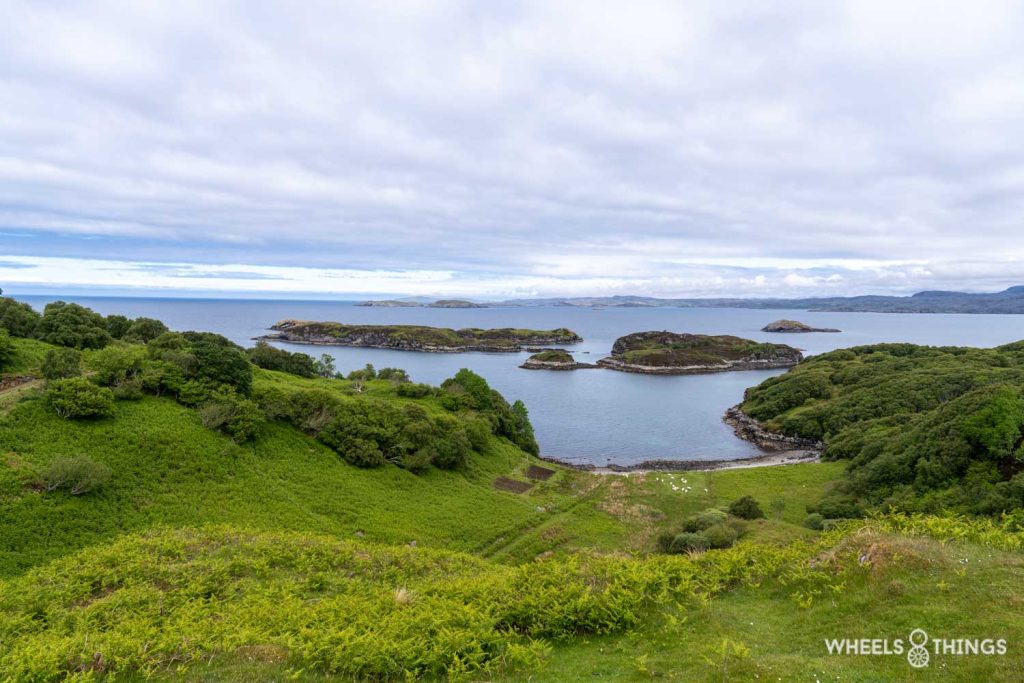
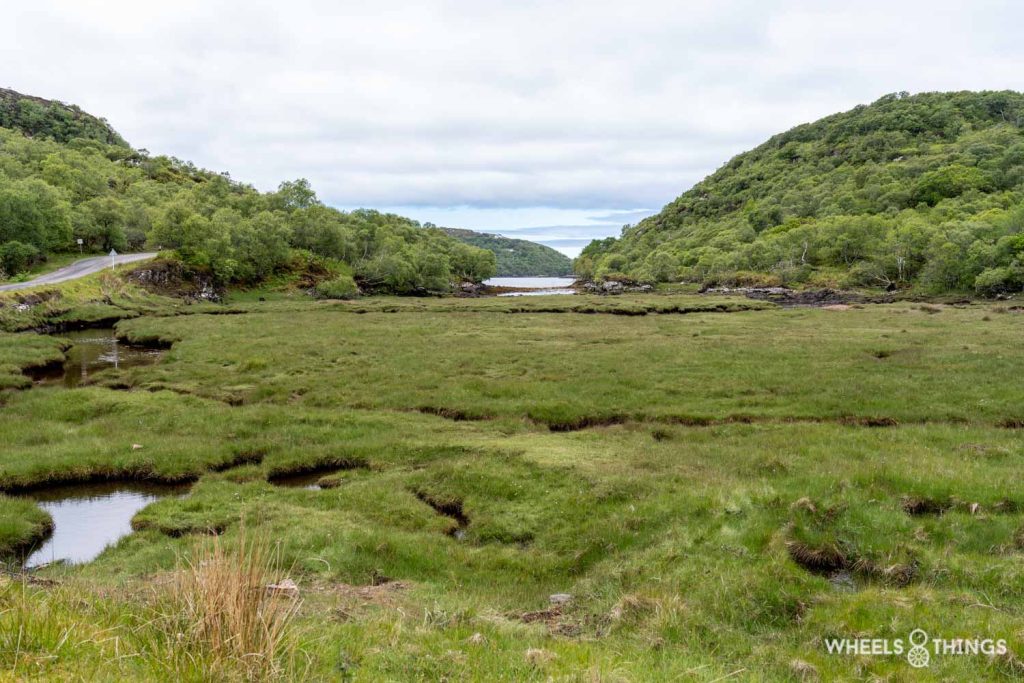
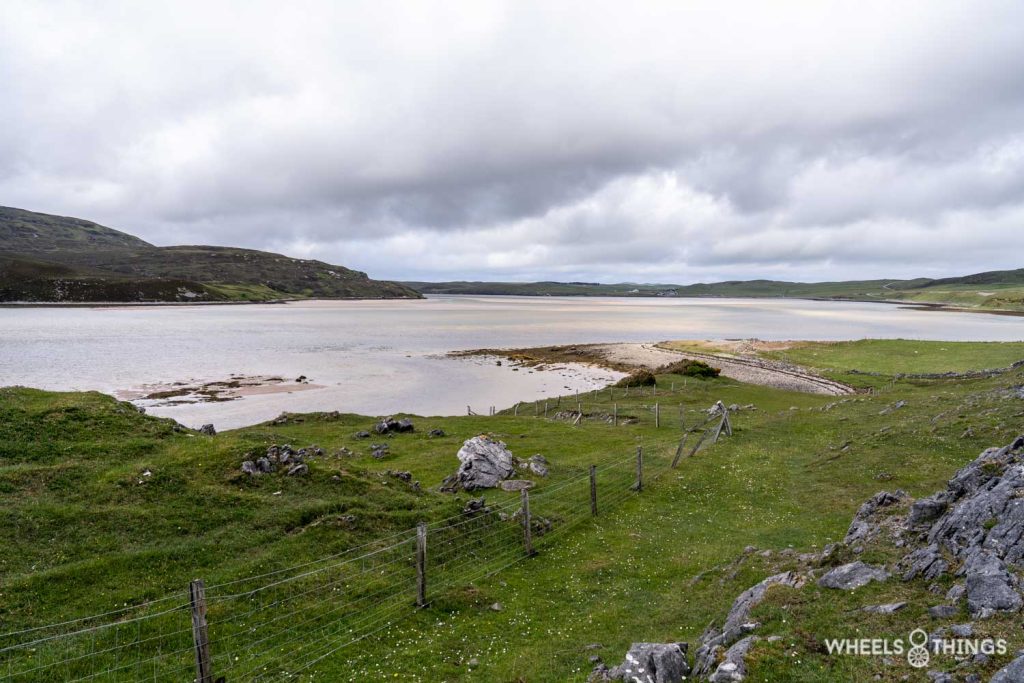
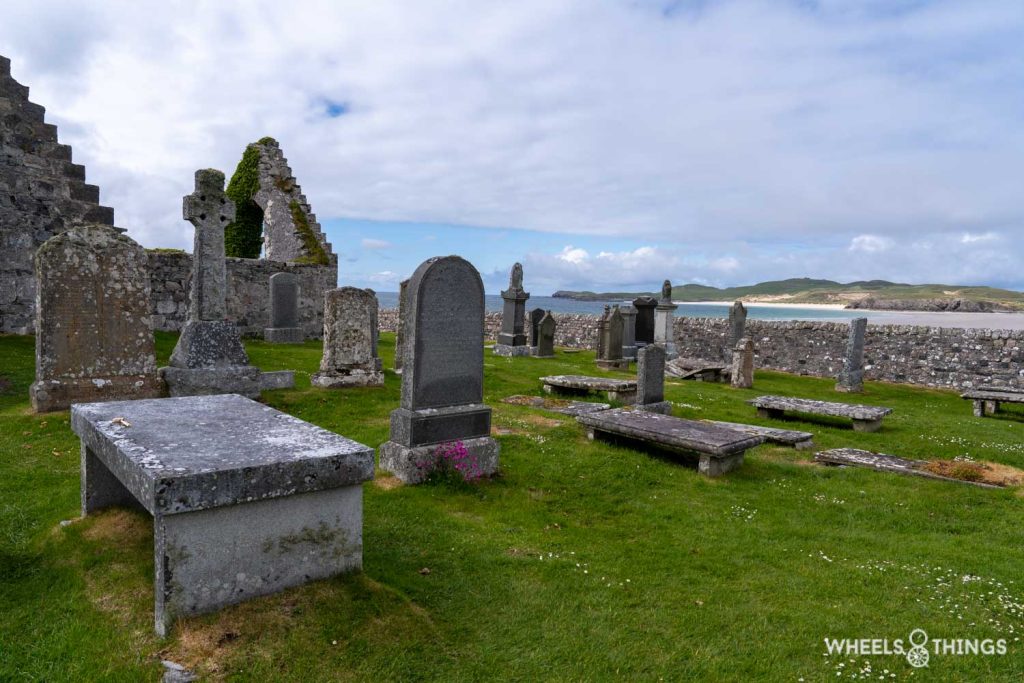
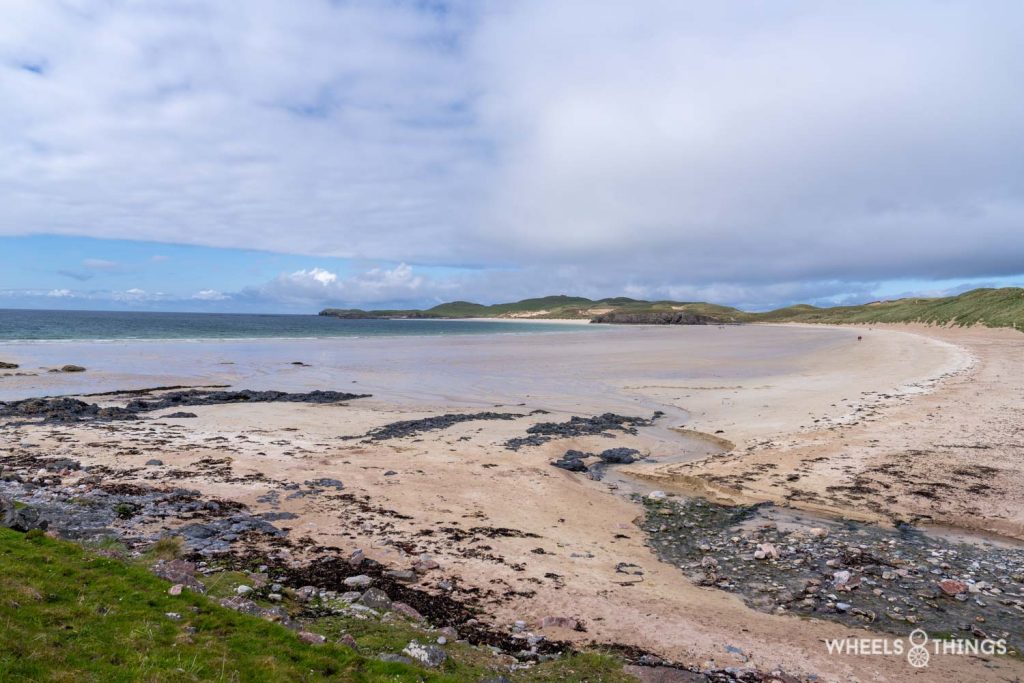
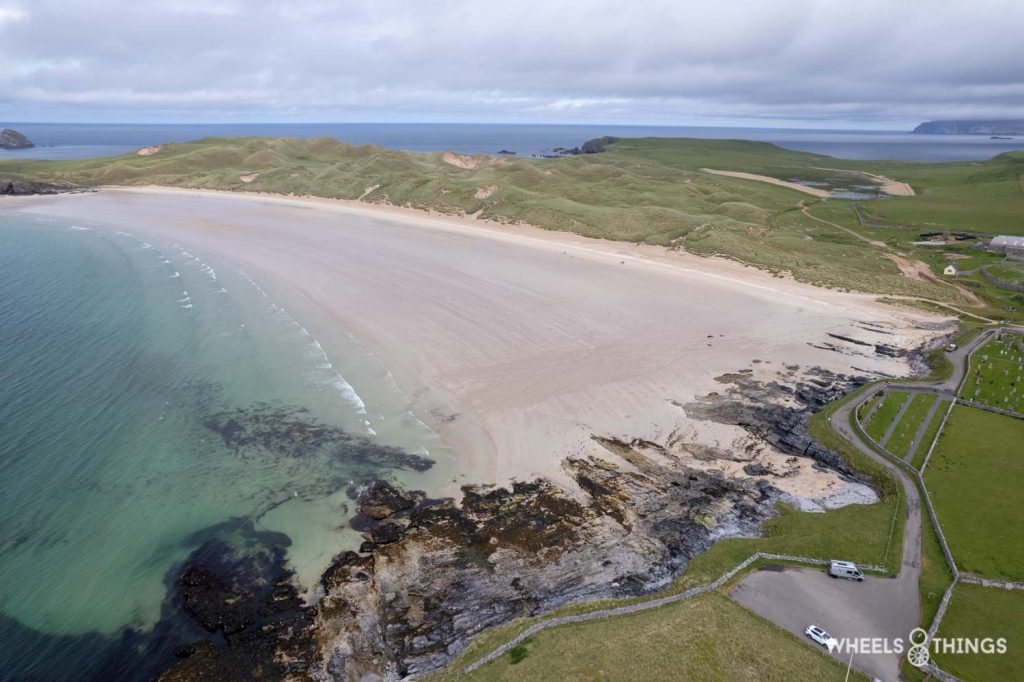
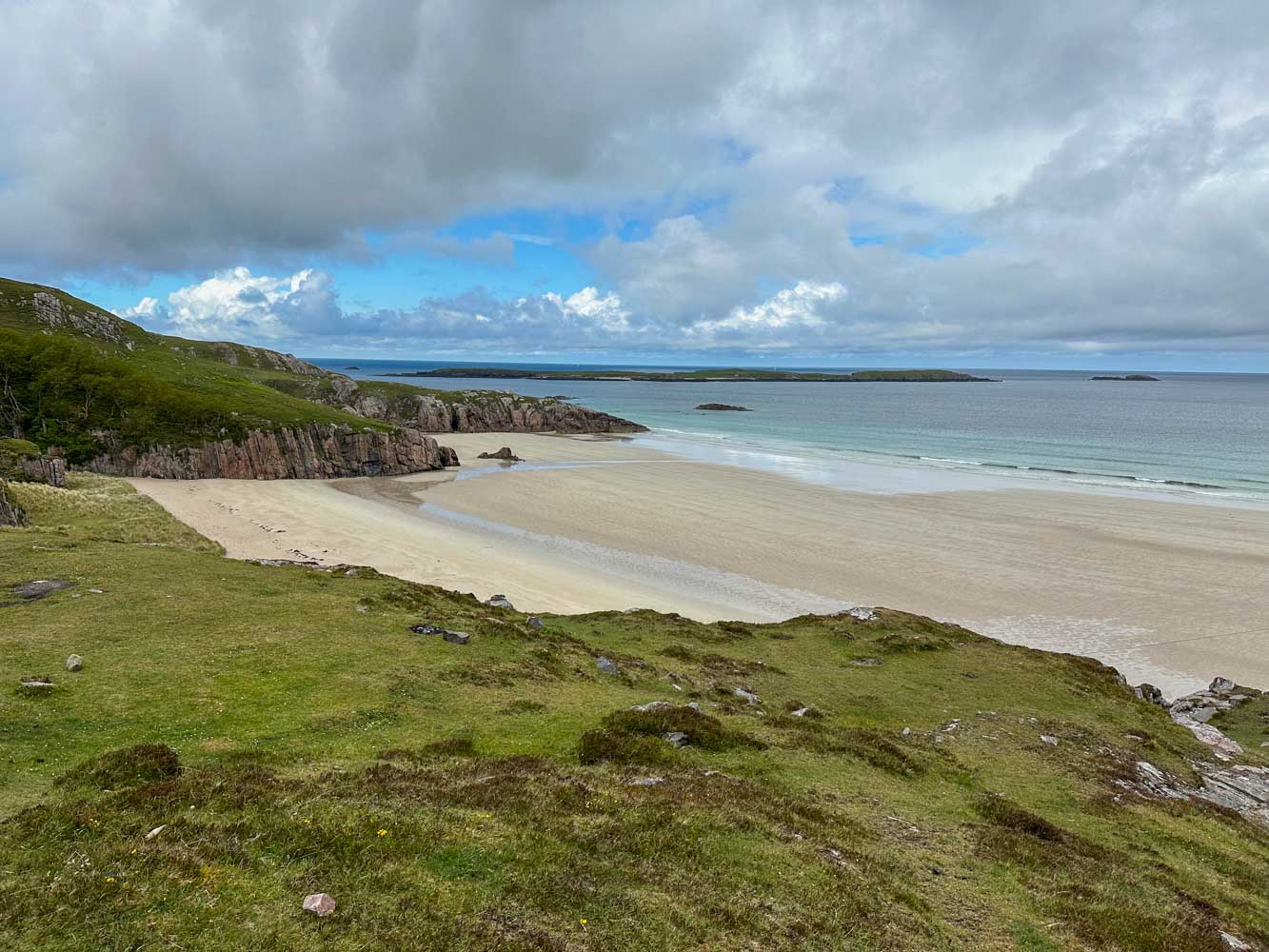
You might not immediately expect it in Scotland, but there are quite a few very beautiful beaches here. Most beaches were really quiet. There were a few walkers here and there, but there weren’t many people around.
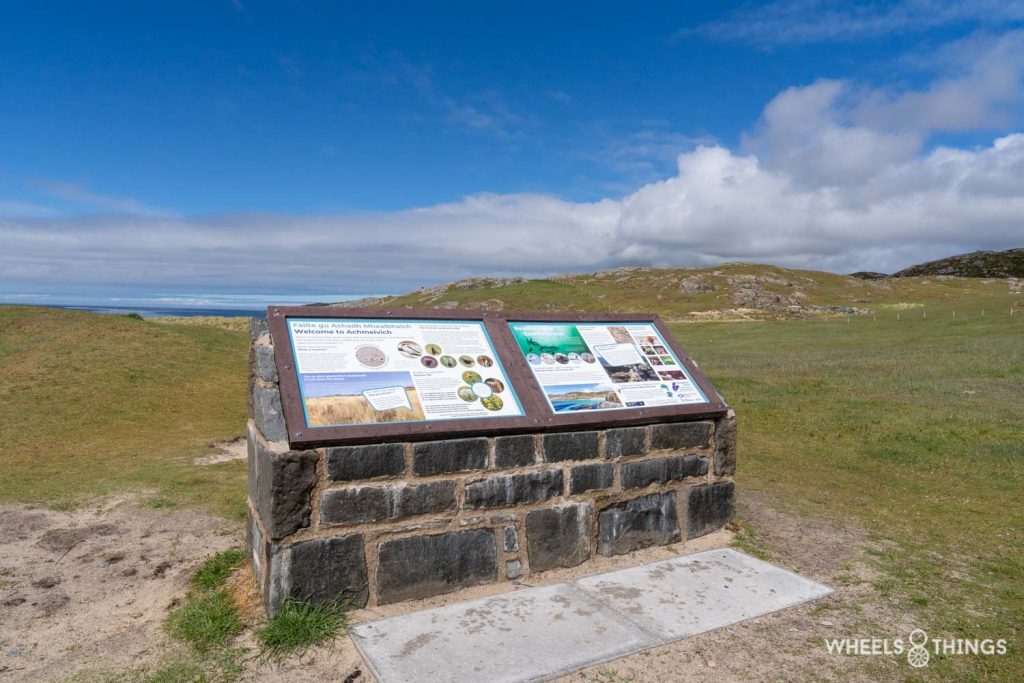
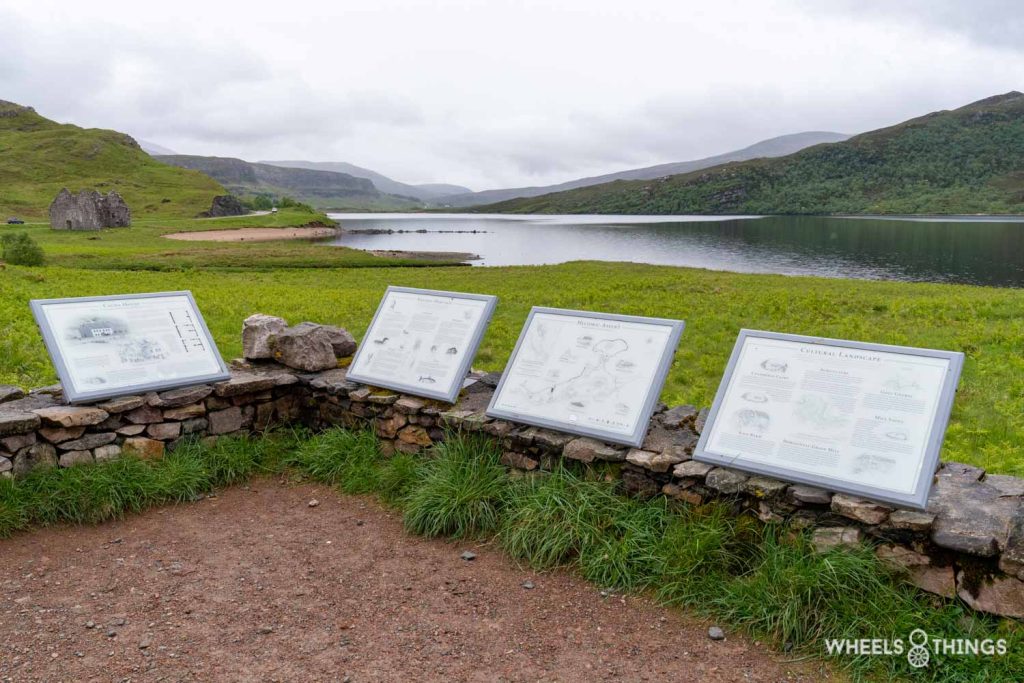
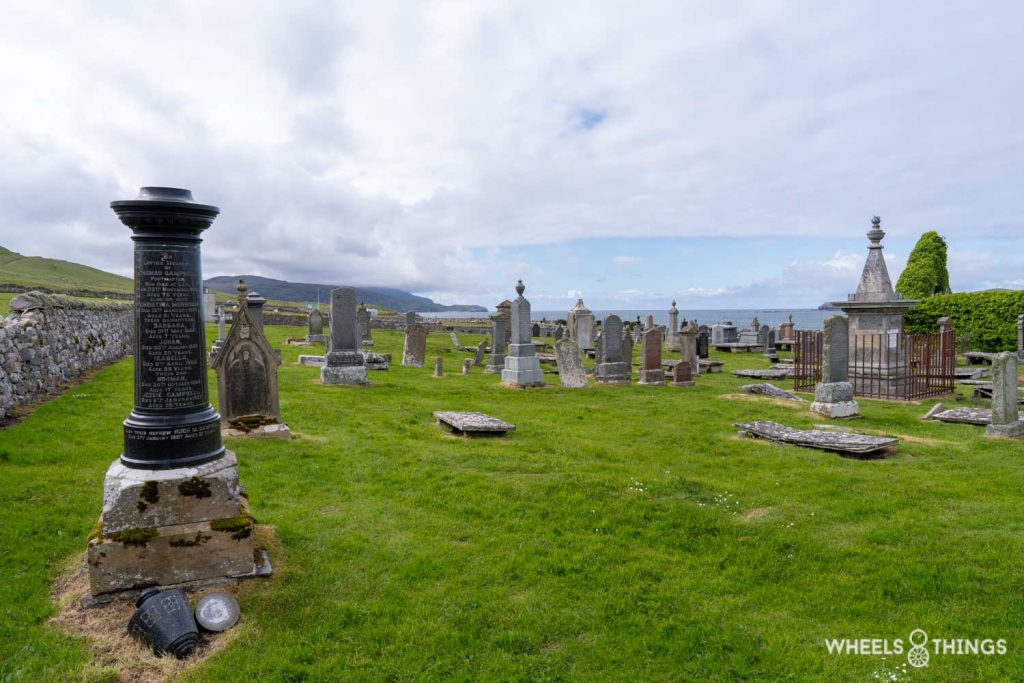
Along the entire NC500, you will encounter information boards such as the one shown above. They provide explanations about archaeological finds and the lives of the inhabitants. Information about the local fauna and flora is also included. Each board also has a QR code that allows you to obtain additional information. The first evidence of habitation in this region dates back to just after the last ice age.
Balnakeil Beach
Ceannabeinne Beach
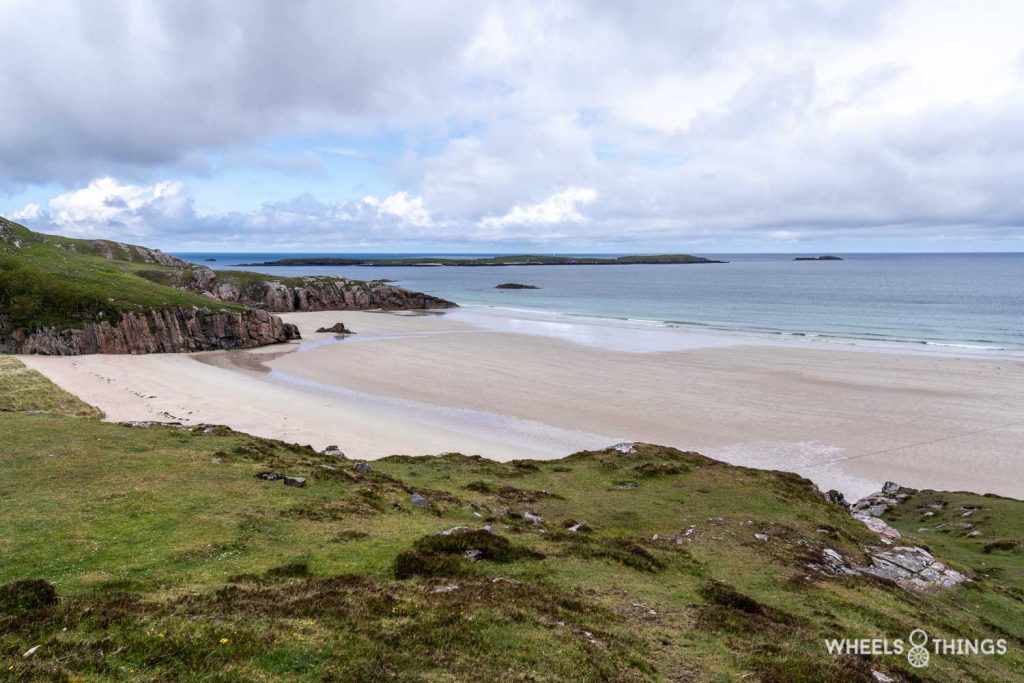
So if you ever drive the NC500 and have some time to spare, you can definitely visit one of the many beaches to relax for a while.
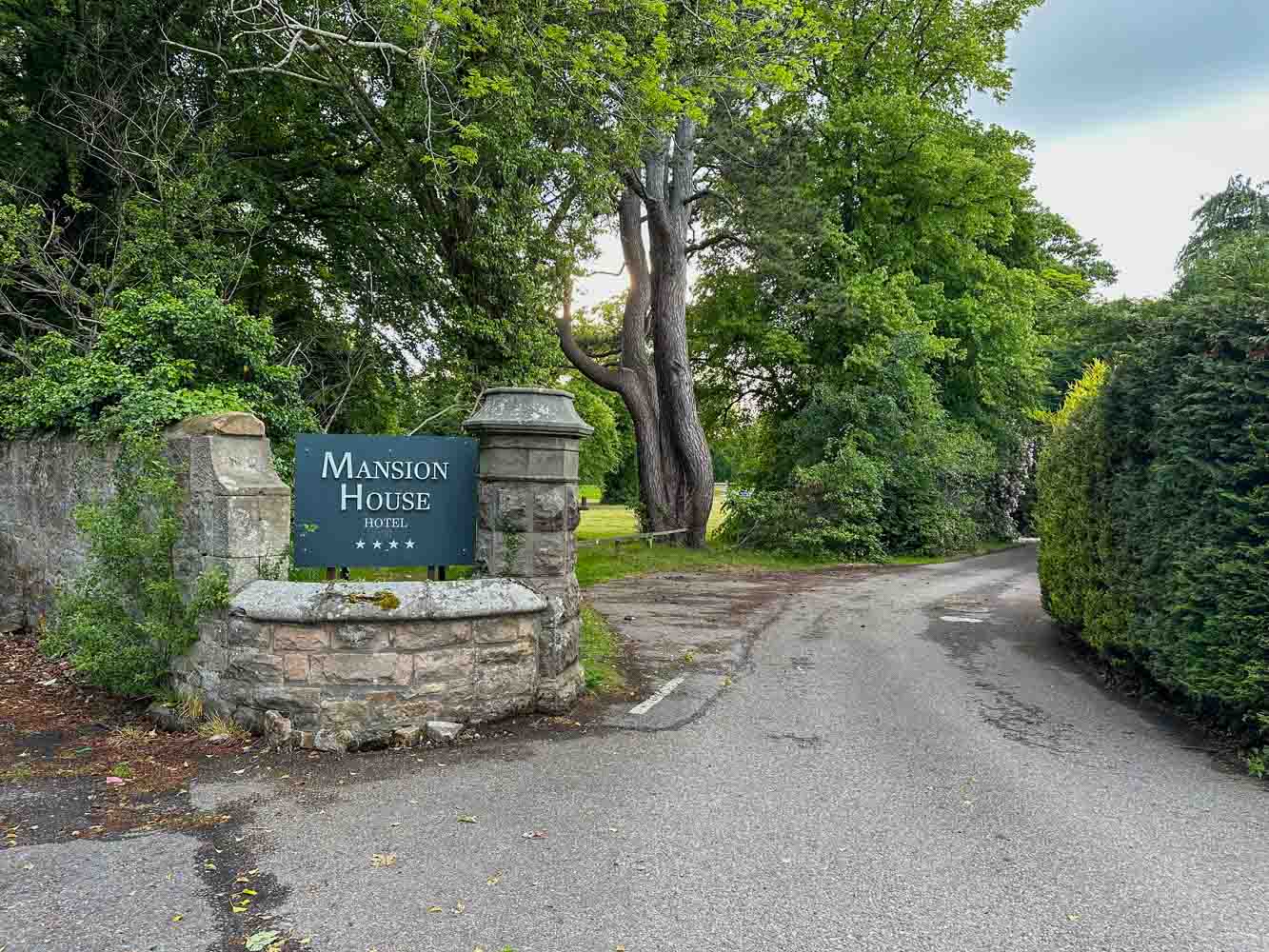
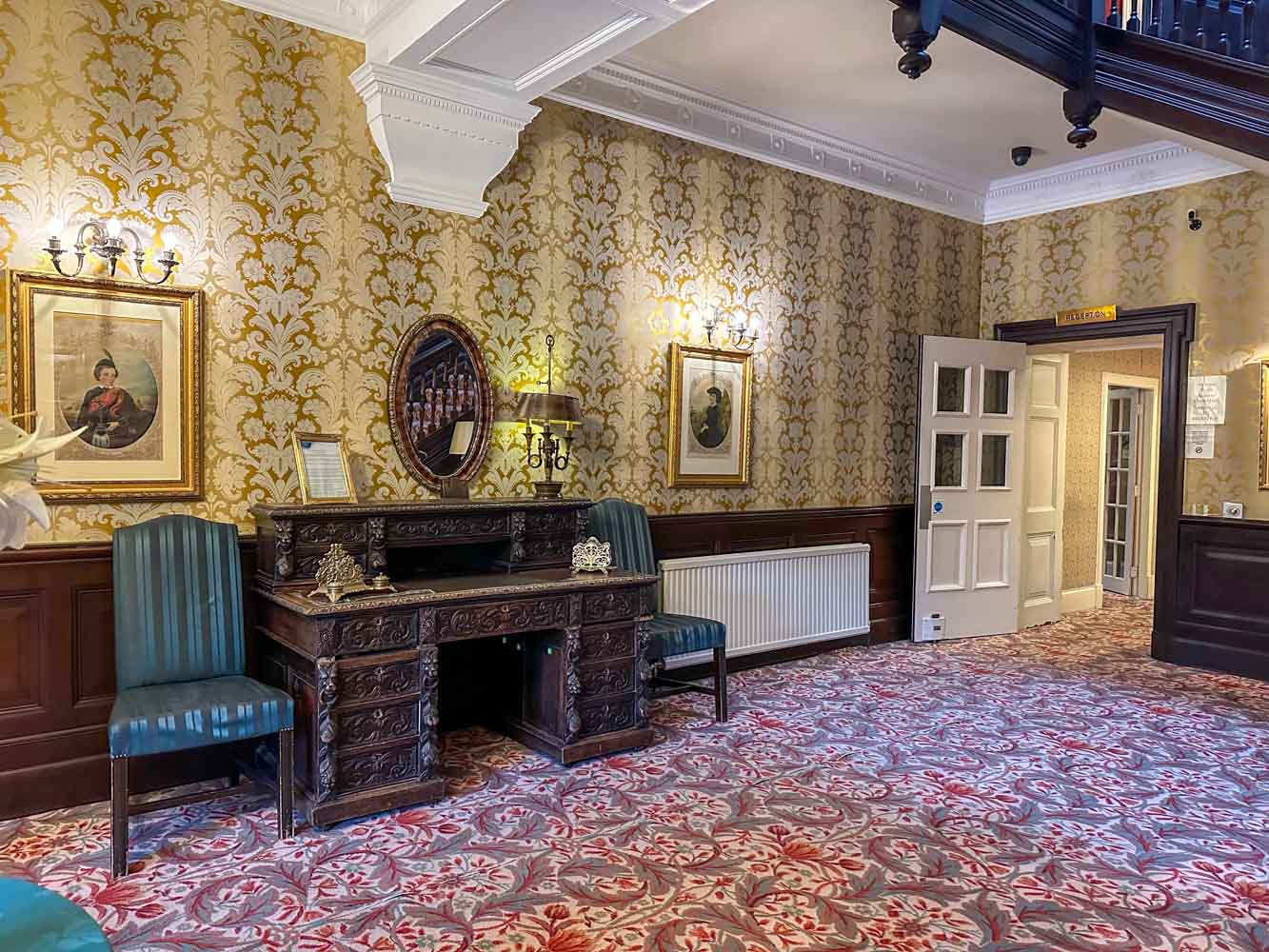
Elgin, Mansion House Hotel
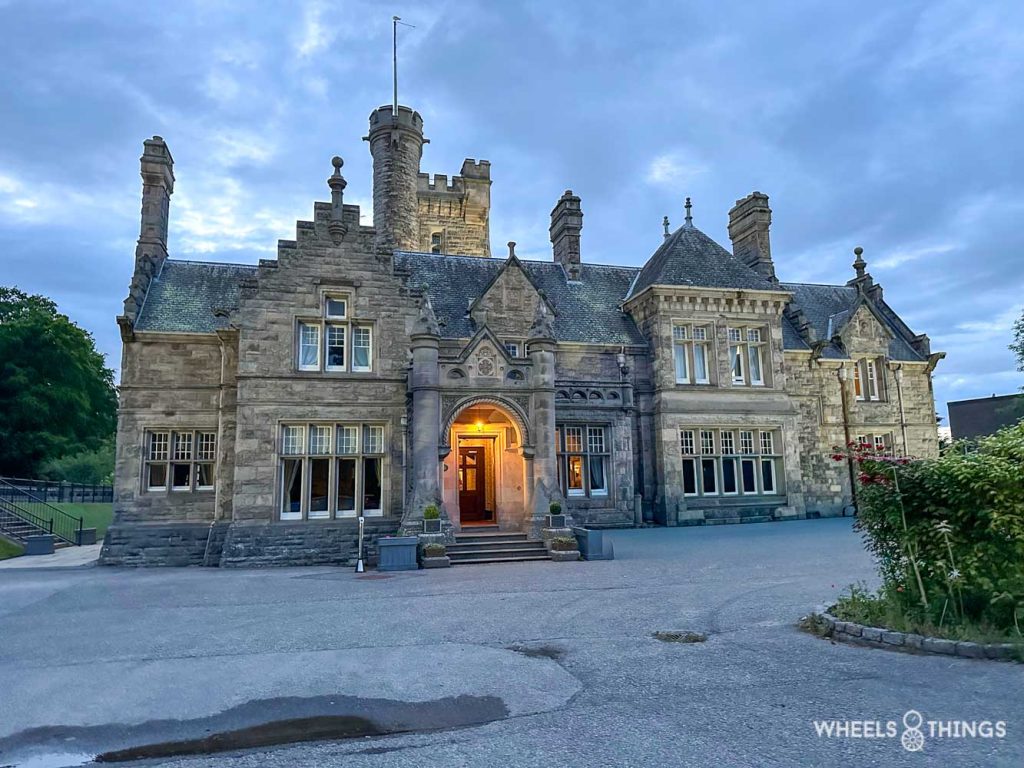
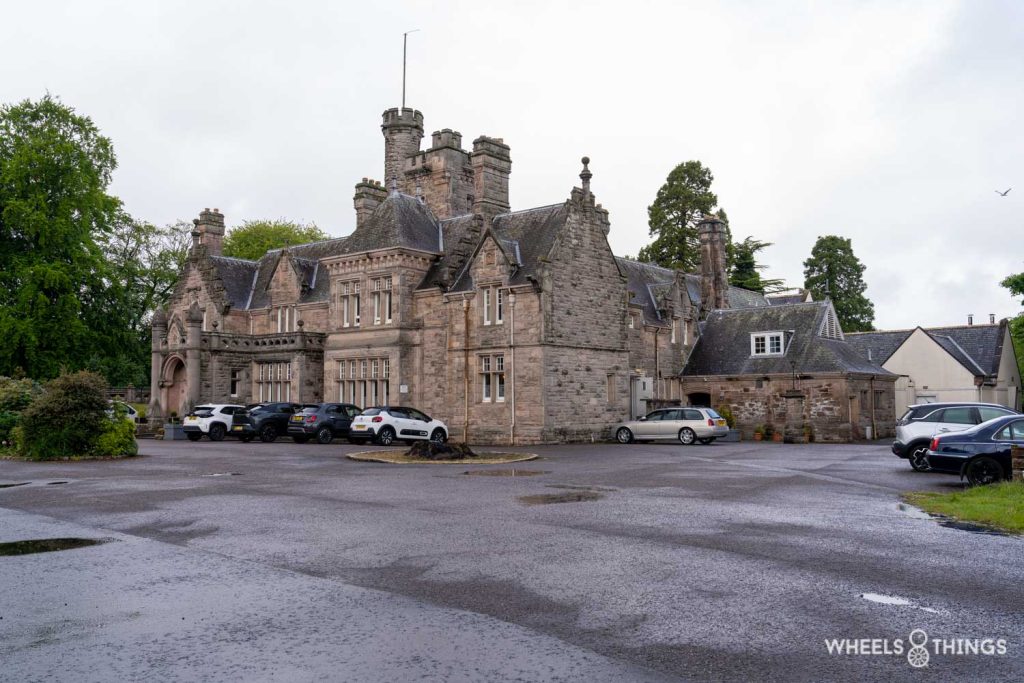
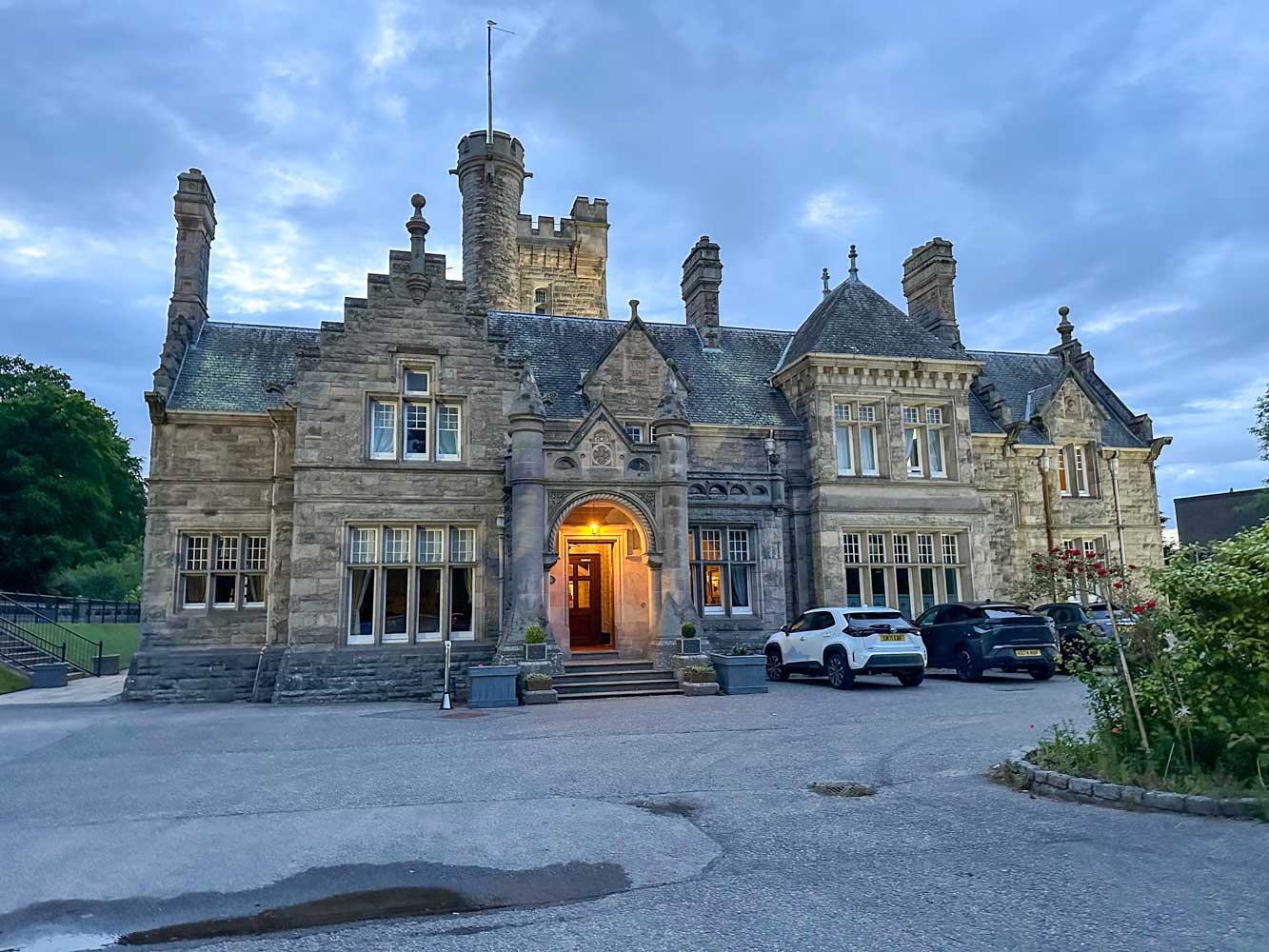
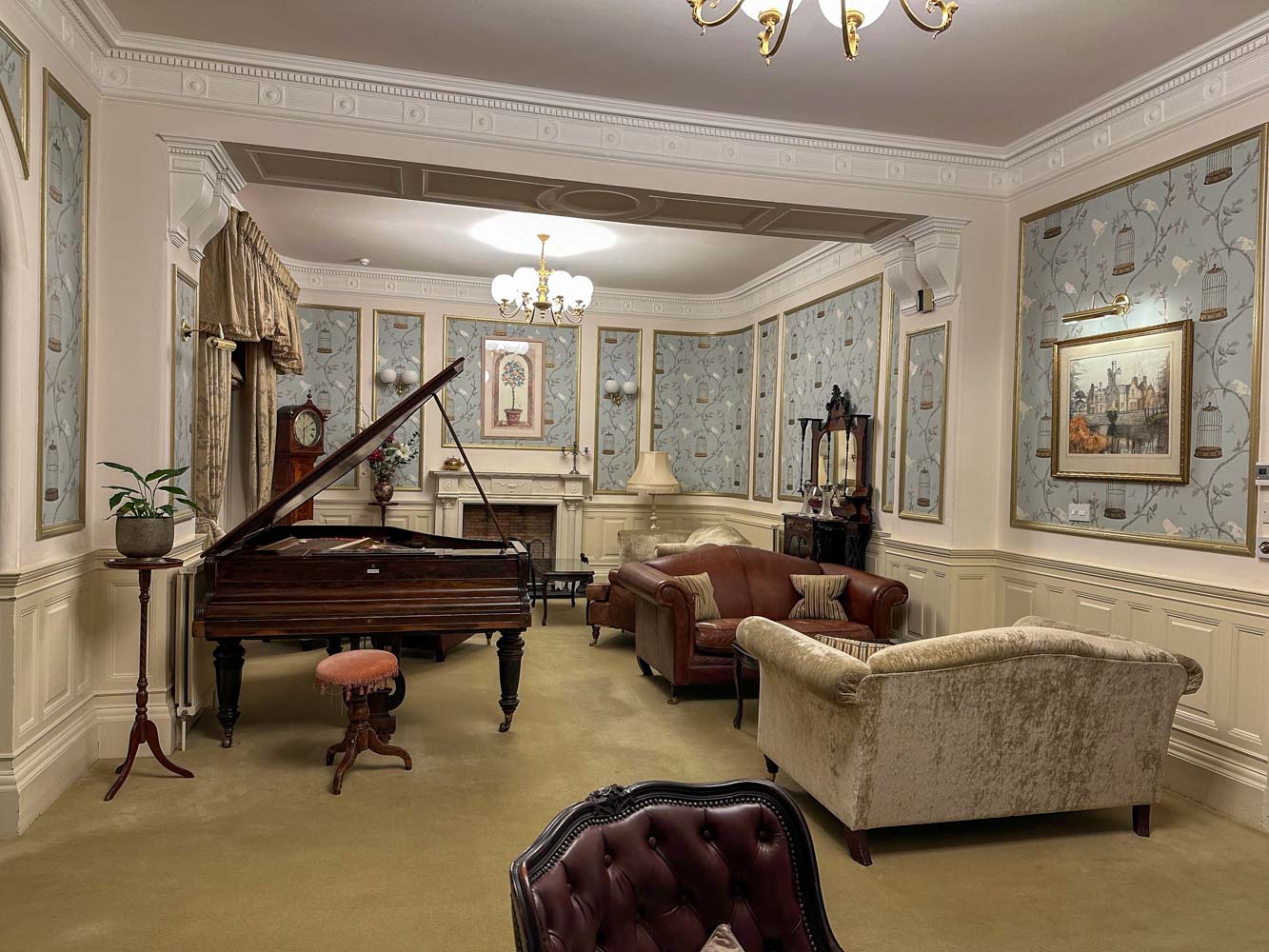
We stayed in Elgin in a rather spooky-looking hotel called the Mansion House Hotel. Don’t get us wrong, because the hotel and the people who worked there were great, and the breakfast was better than expected! But the appearance of the building and the interior catapult you back a hundred years in time..
Day 7: Elgin – Edinburgh 323km
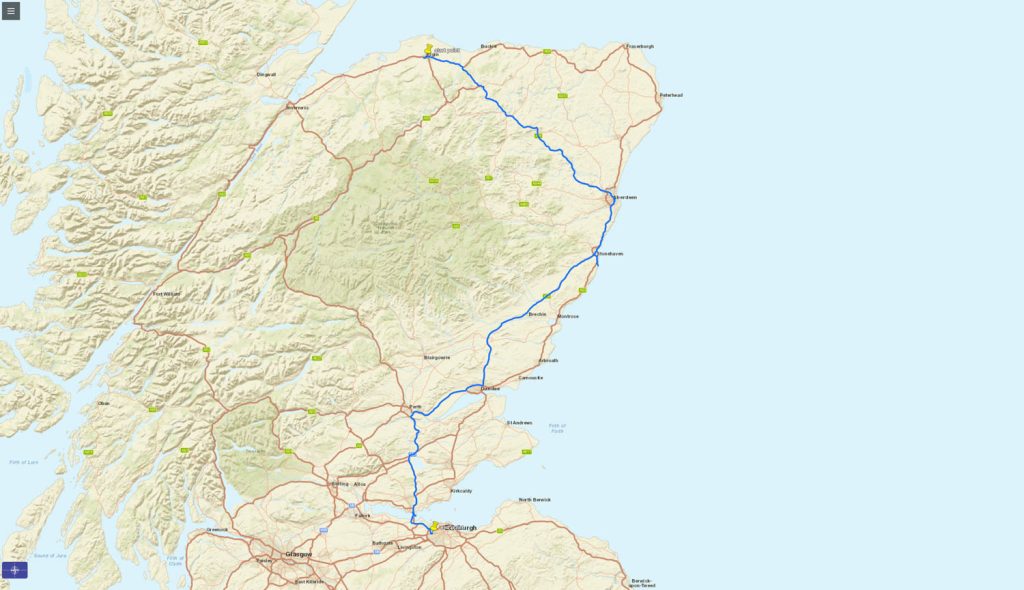
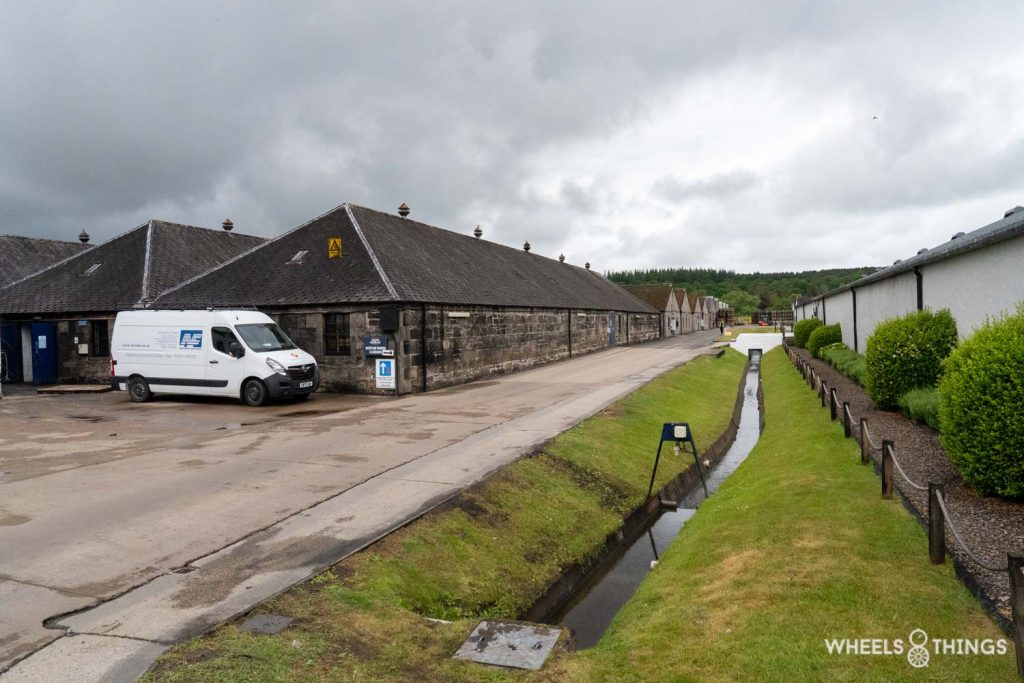
Today we covered significantly fewer kilometres, partly due to the whisky tasting at Glen Moray. As a result, we did not depart for Edinburgh until around noon. However, we had quite a lot on our agenda.
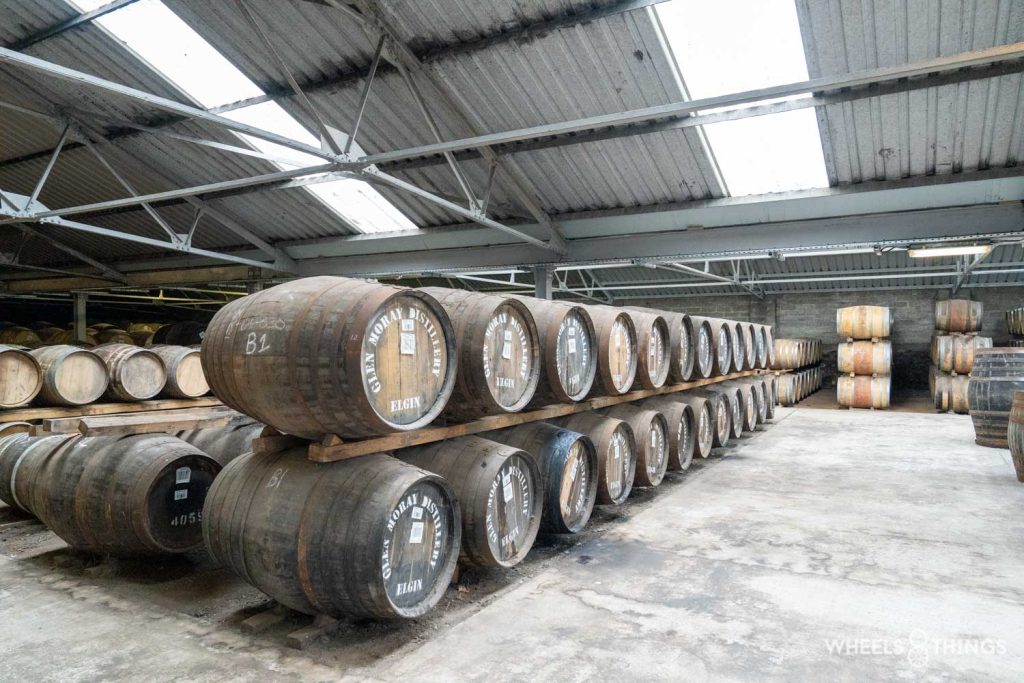
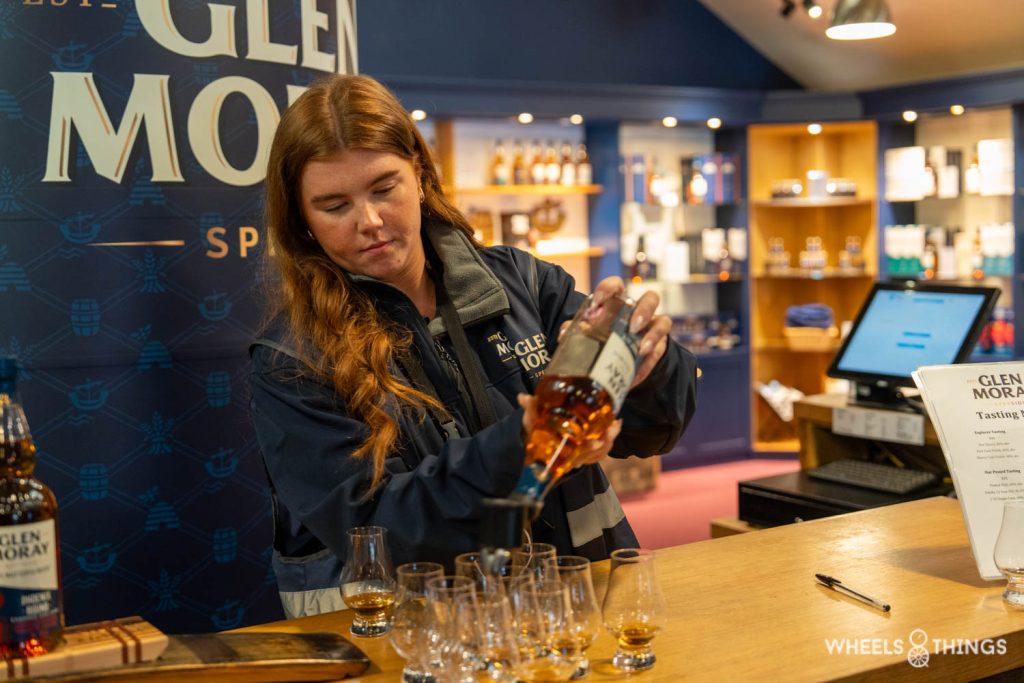
Whisky tasting at Glen Moray
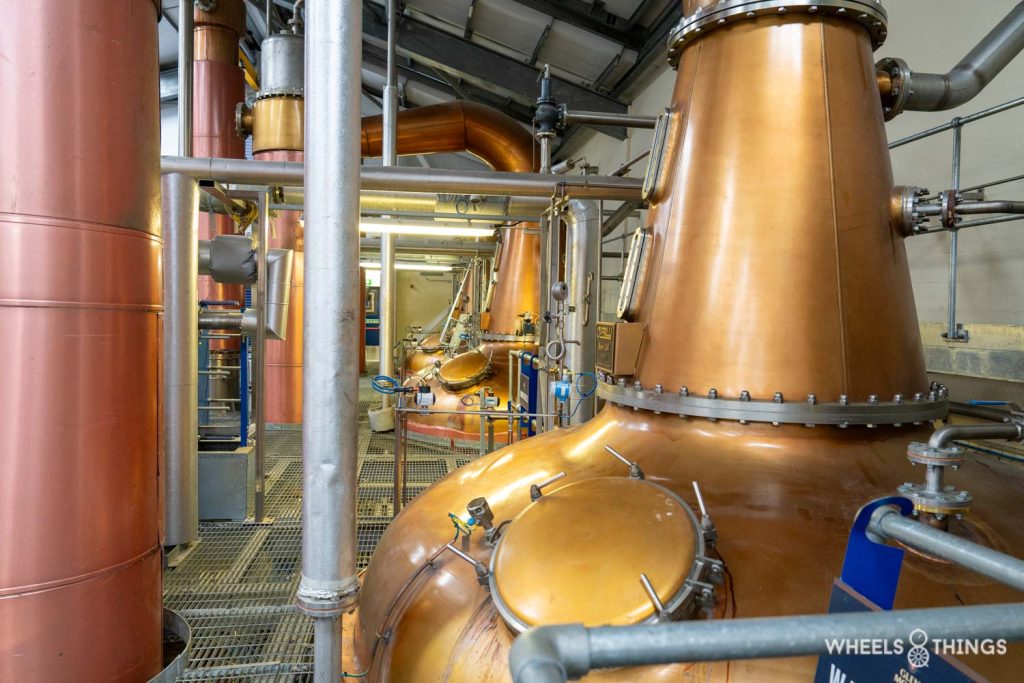
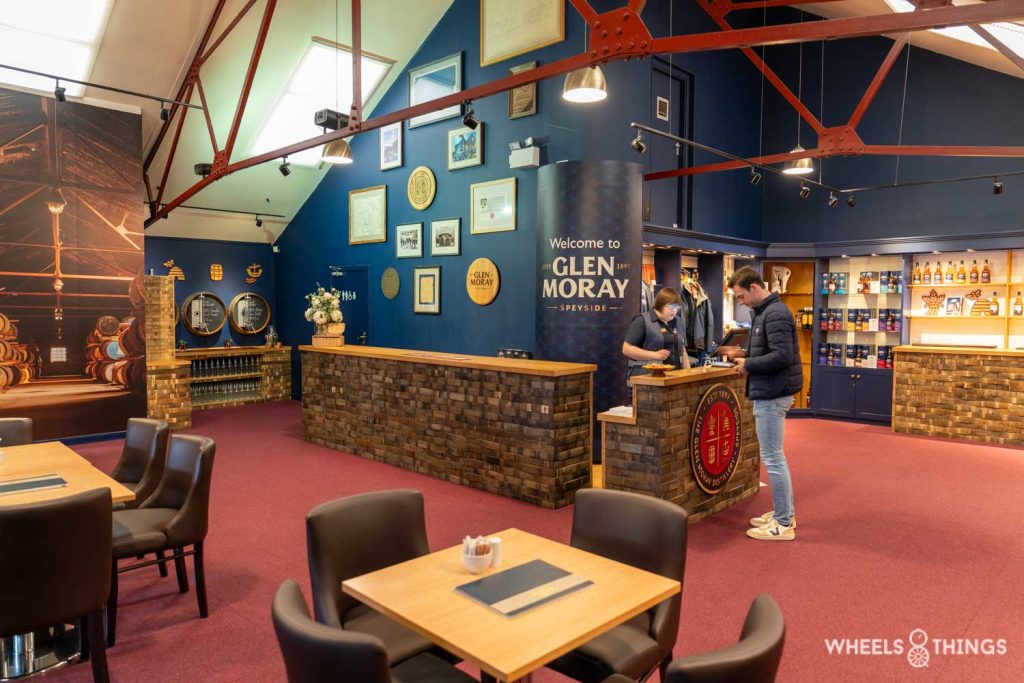
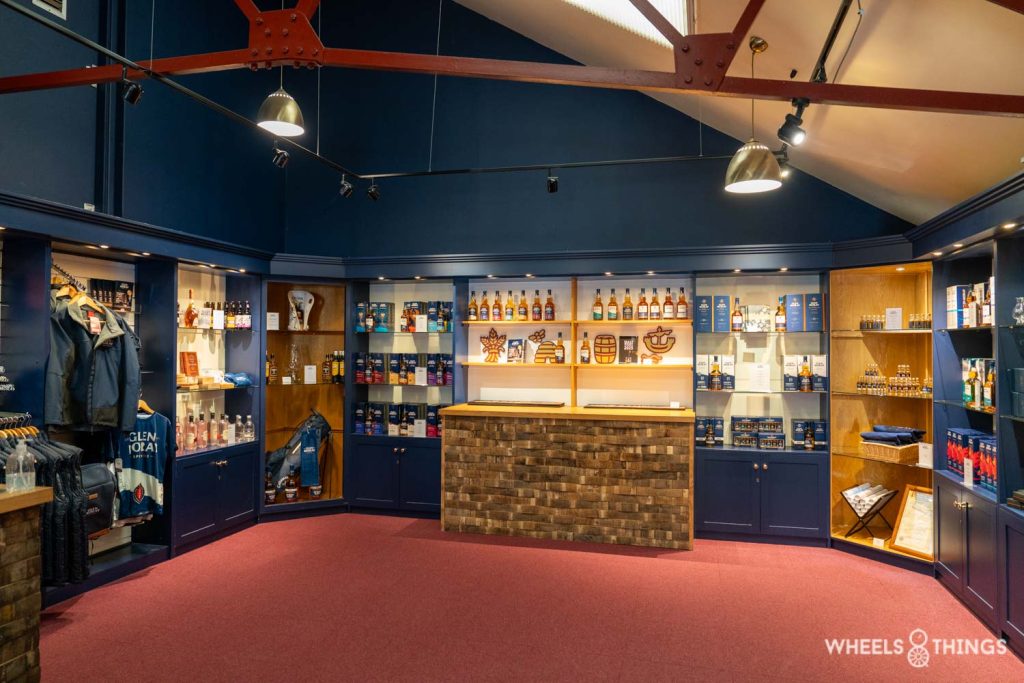
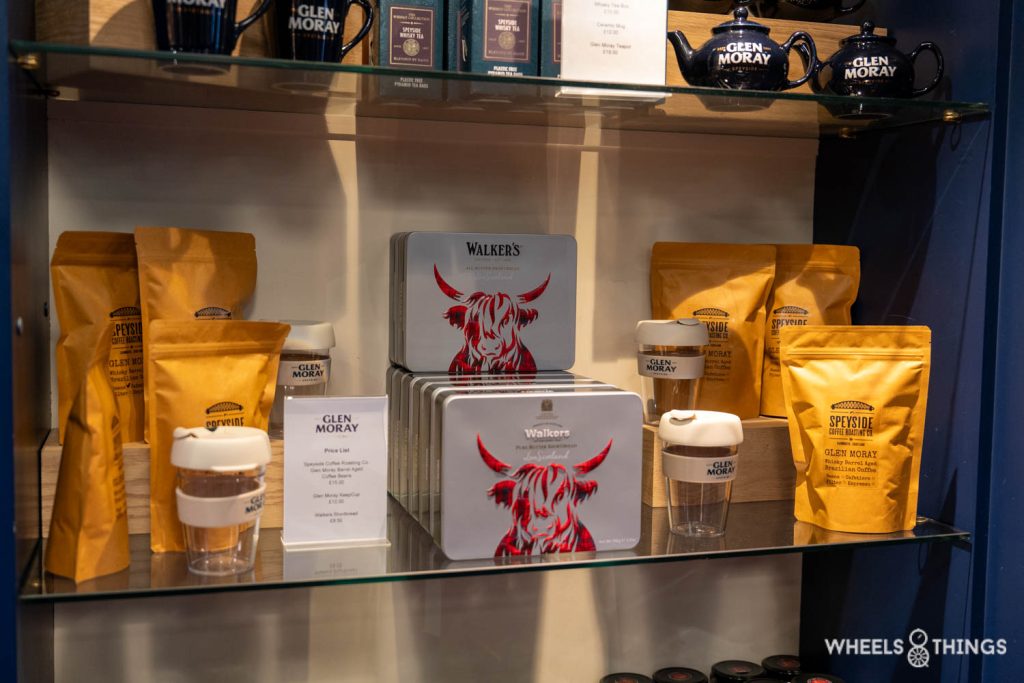
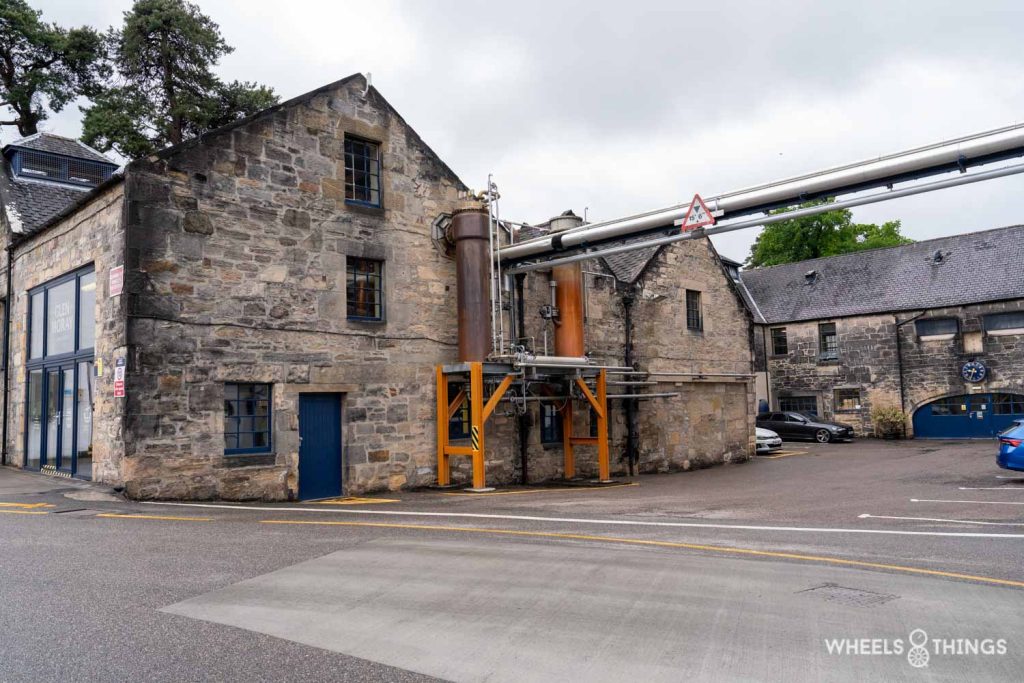
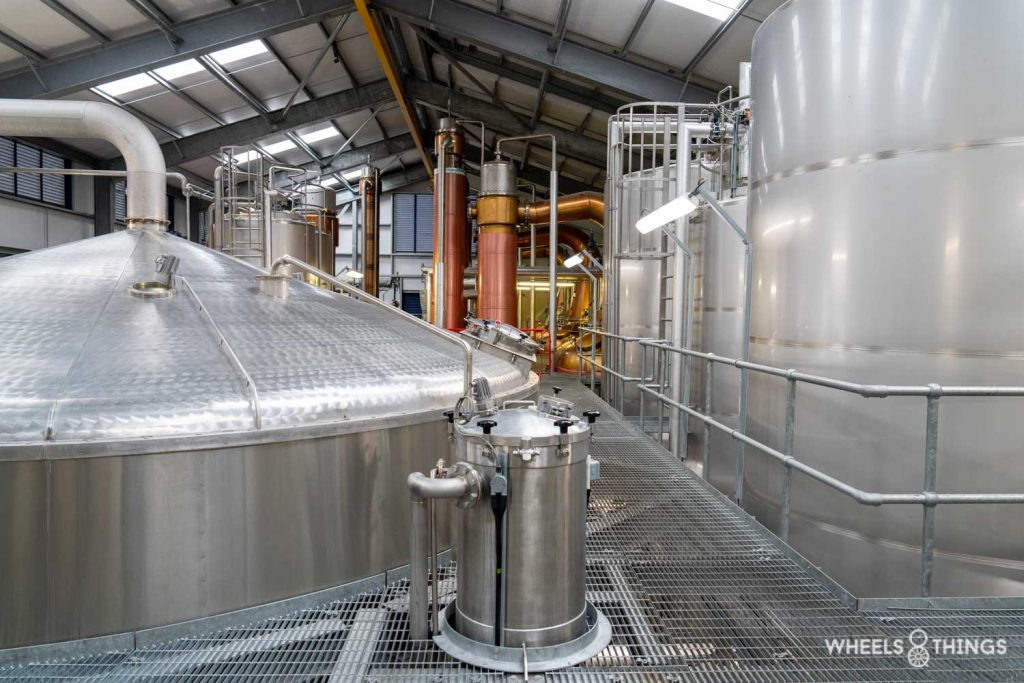
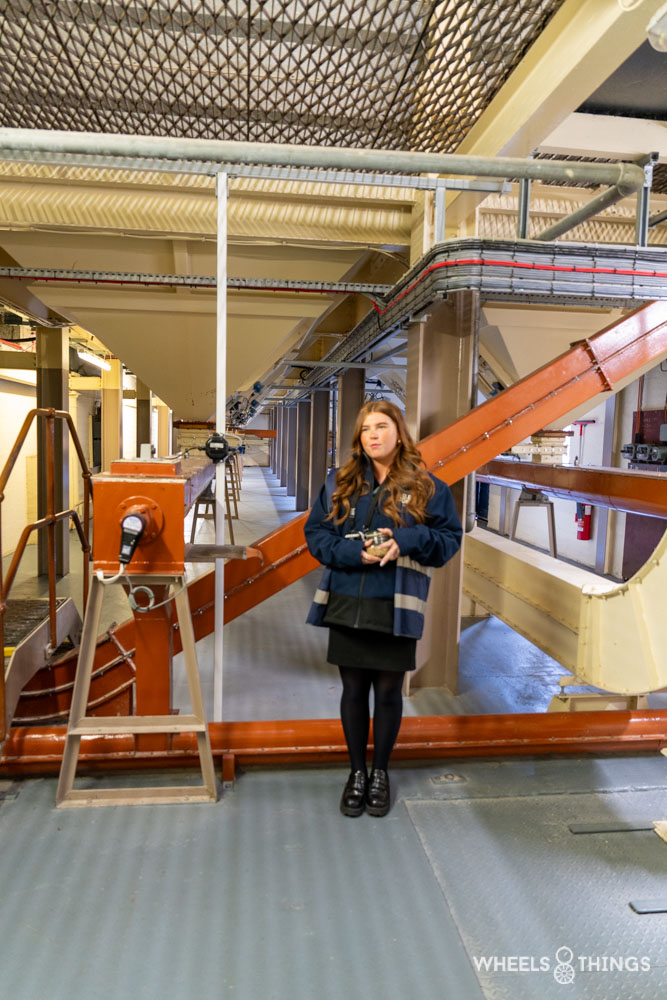
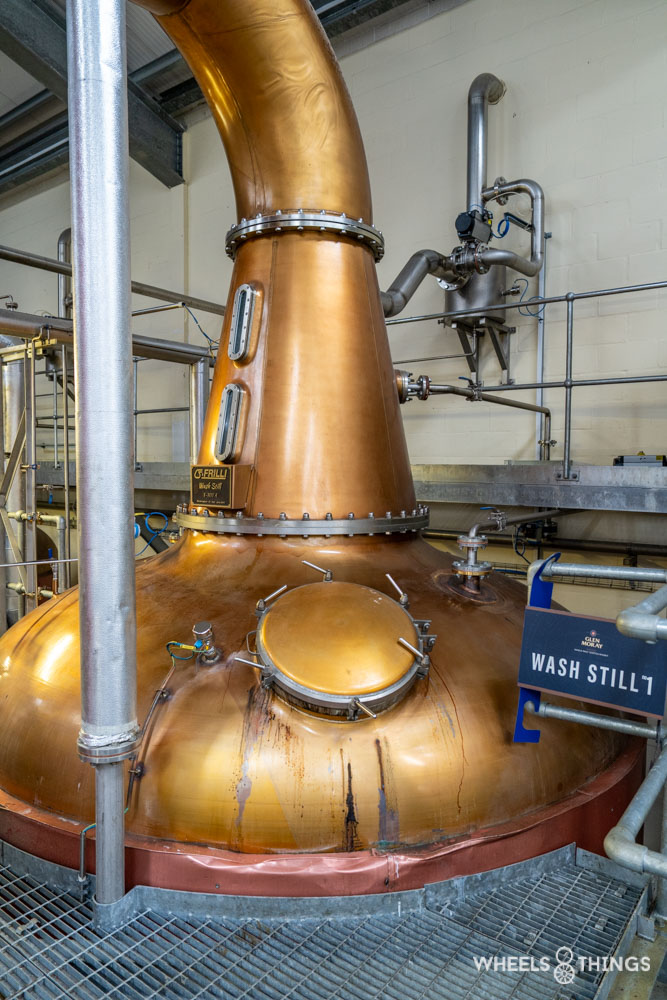
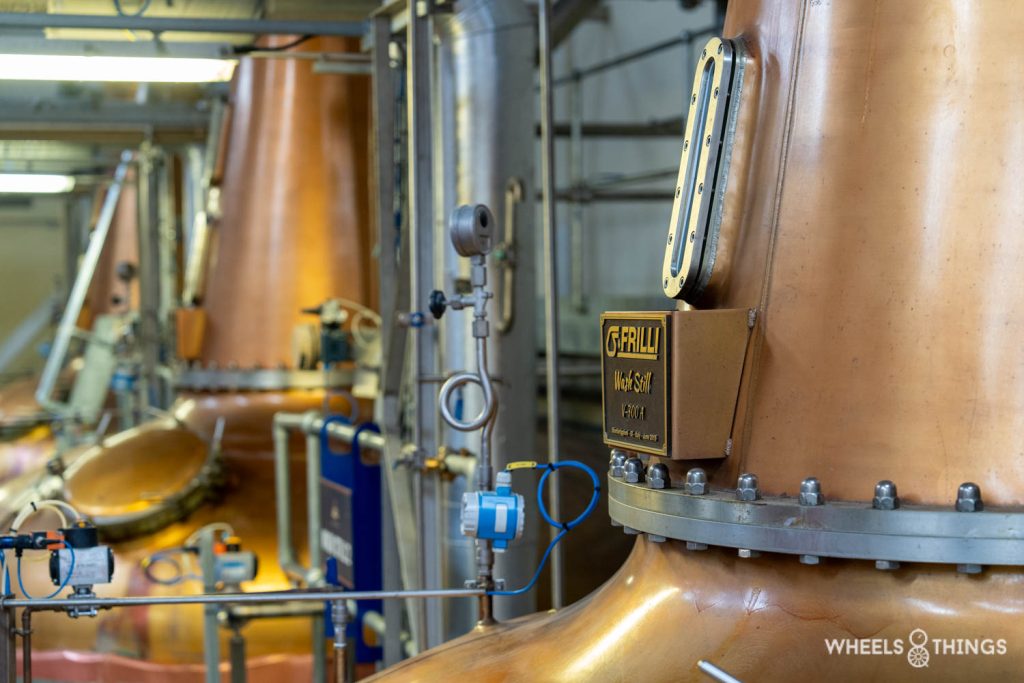
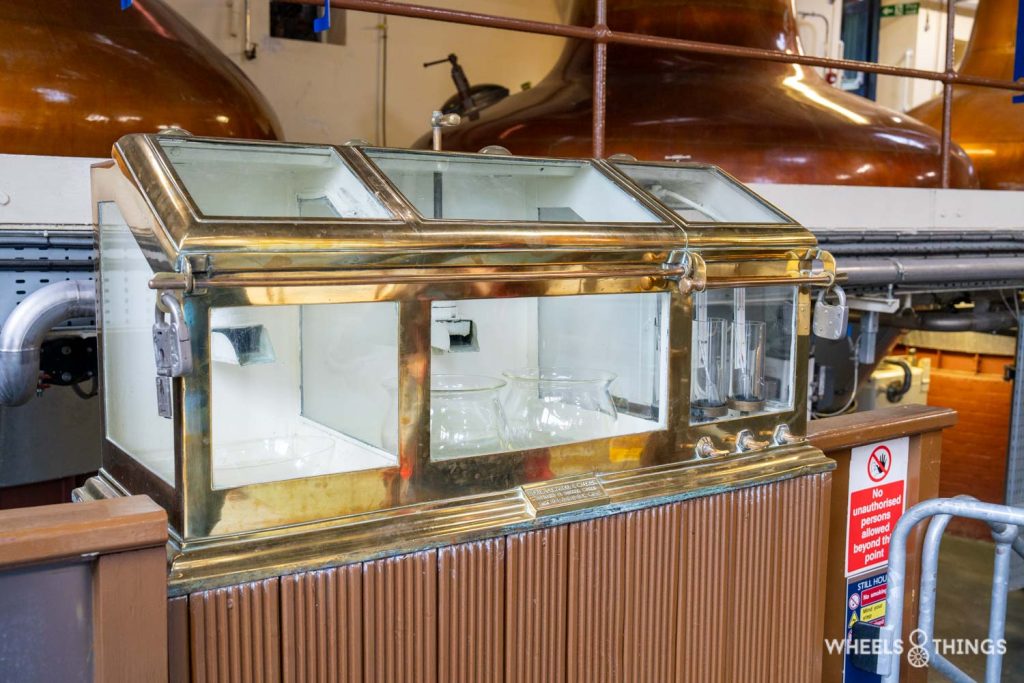
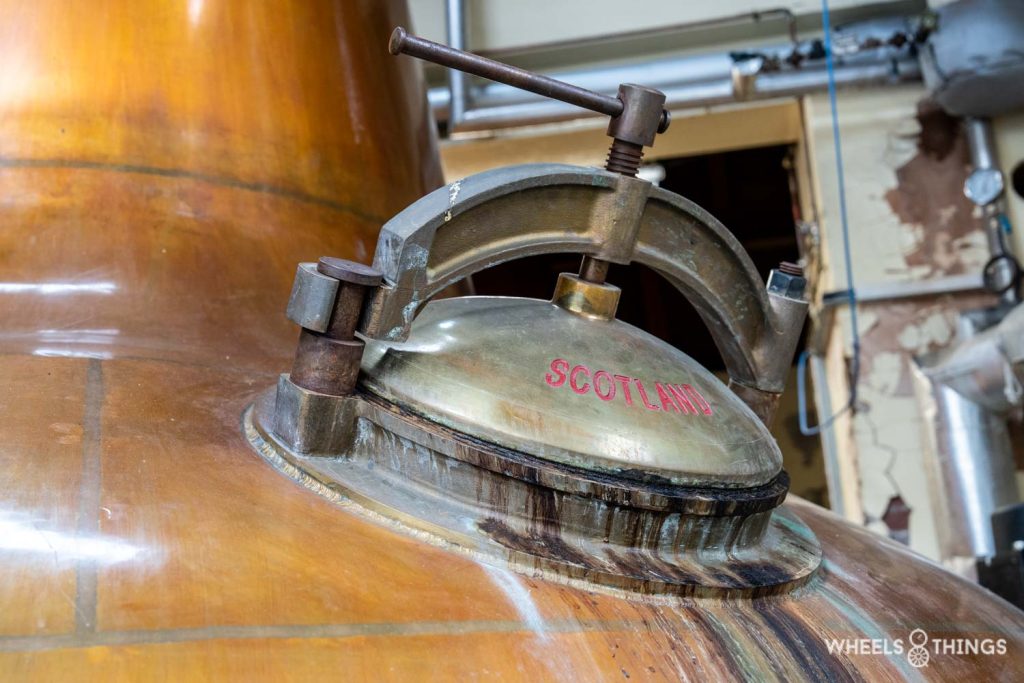
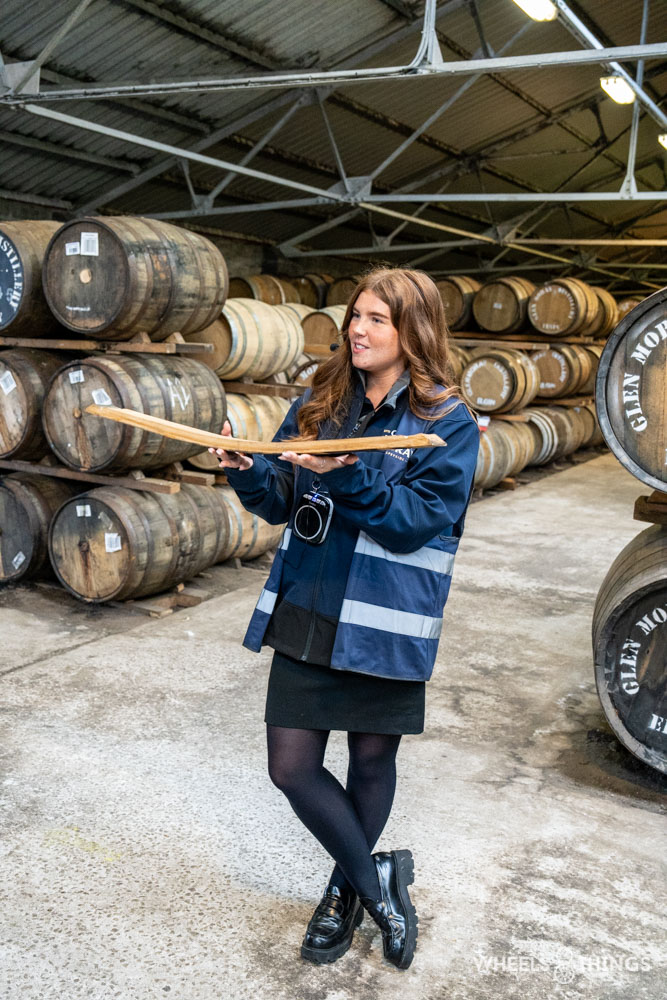
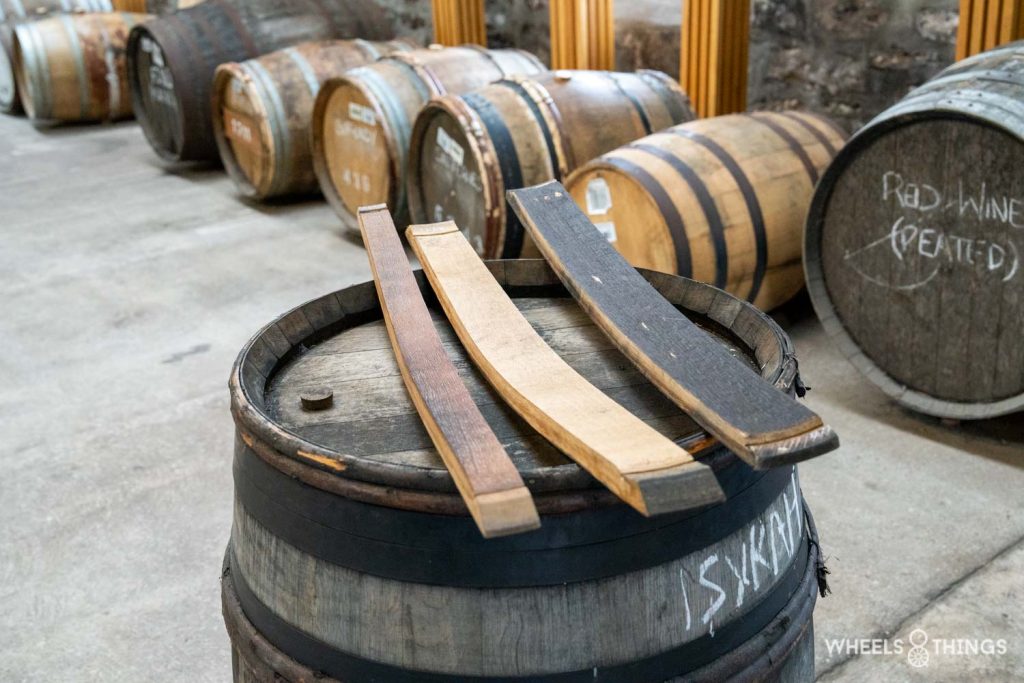
Visiting a whisky distillery should really be an obligatory part of any trip to Scotland. Not all of them are equally accessible, and some are downright expensive to visit. We visited Glen Moray, and apart from the fact that we were given a really good tour with lots of information and a great tasting afterwards, the price of £16 was very reasonable.
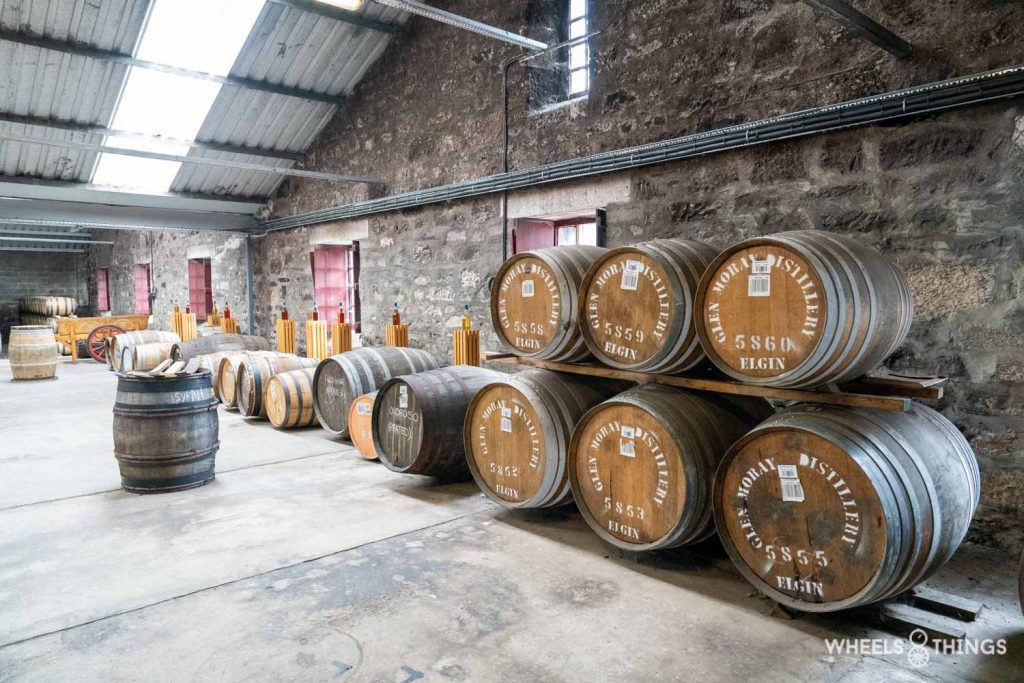
Even if you don’t drink whisky, it’s still a very interesting visit to learn about the history and the process of how Scotch whisky is made. If you’re interested in visiting this whisky distillery yourself, you can find more information on the Glen Moray website.
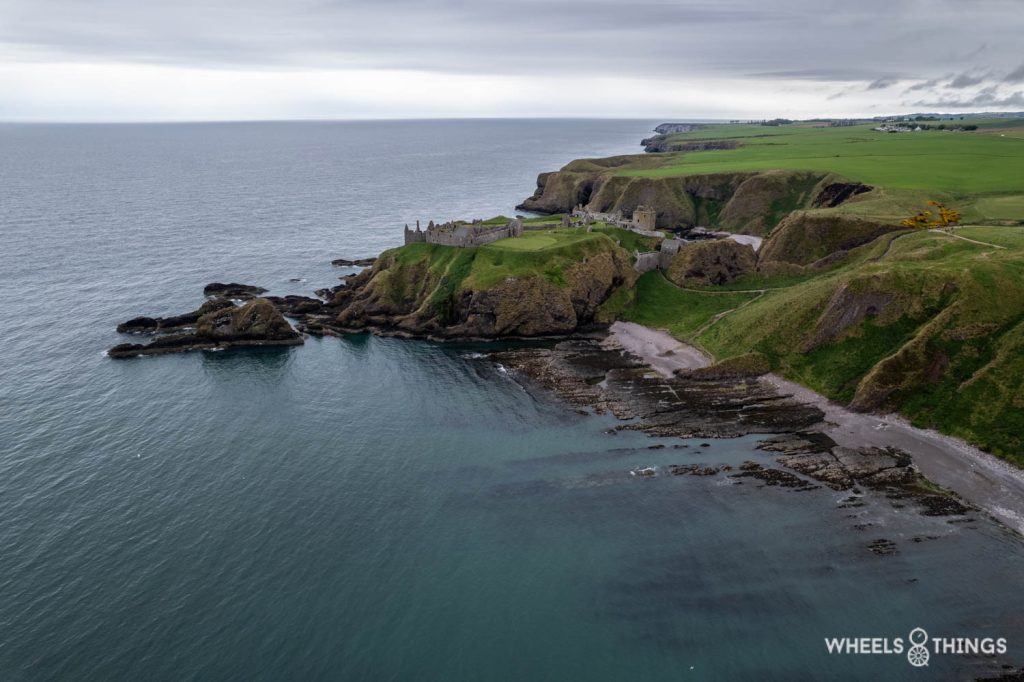
Dunnottar Castle
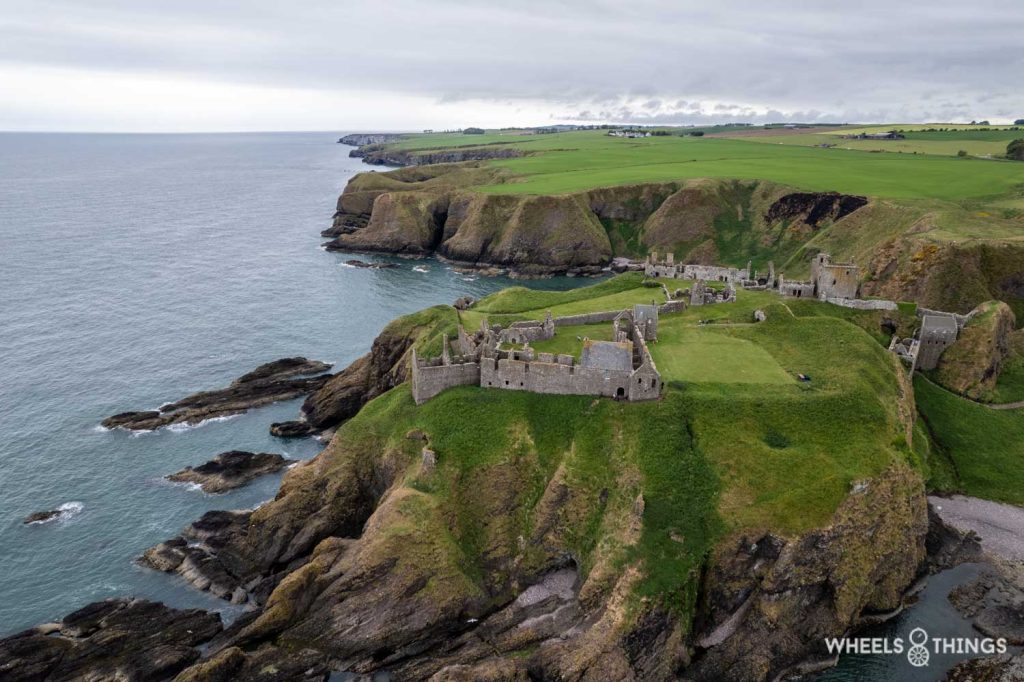
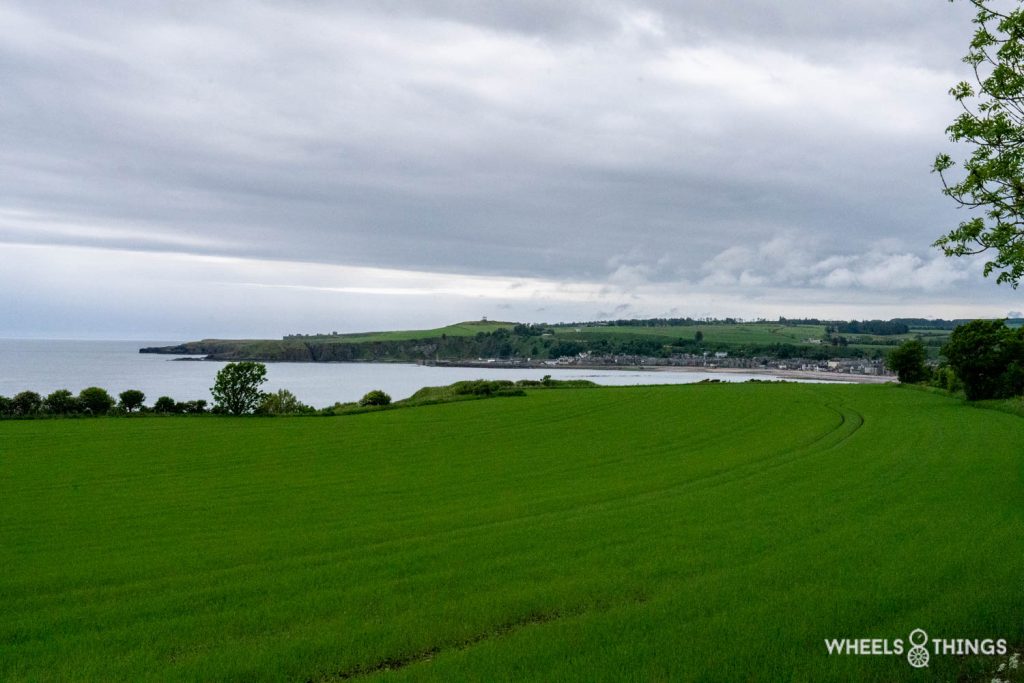
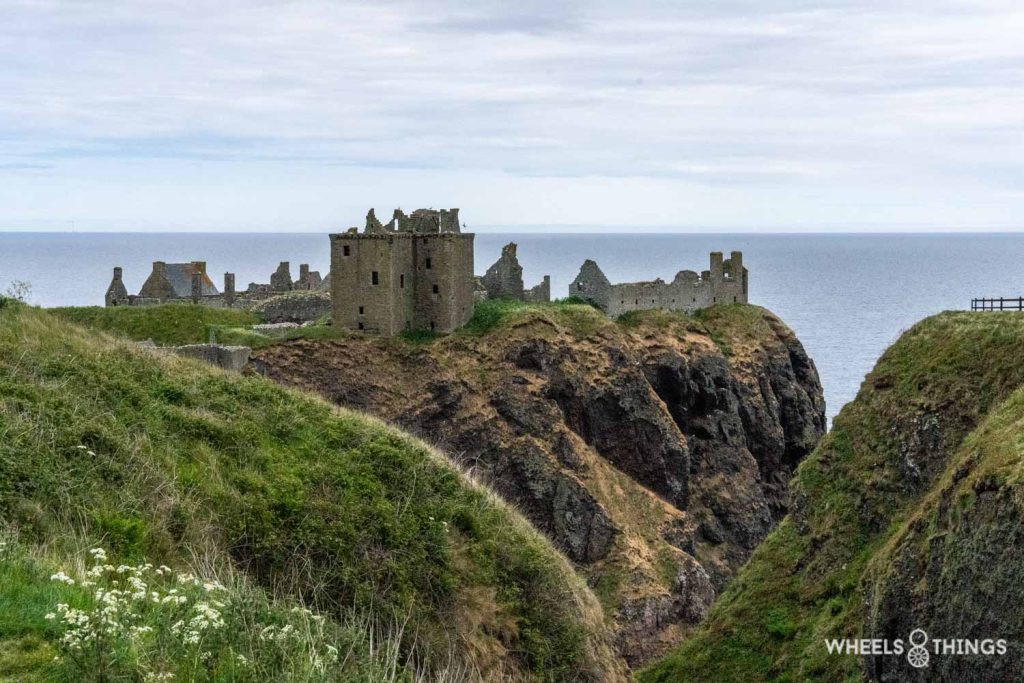
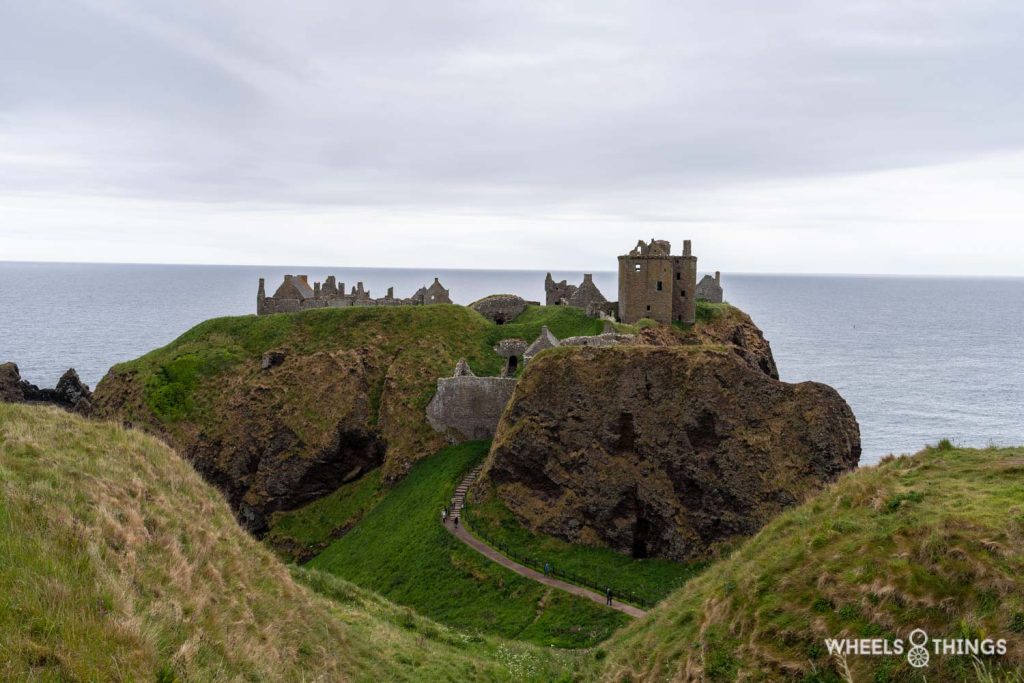
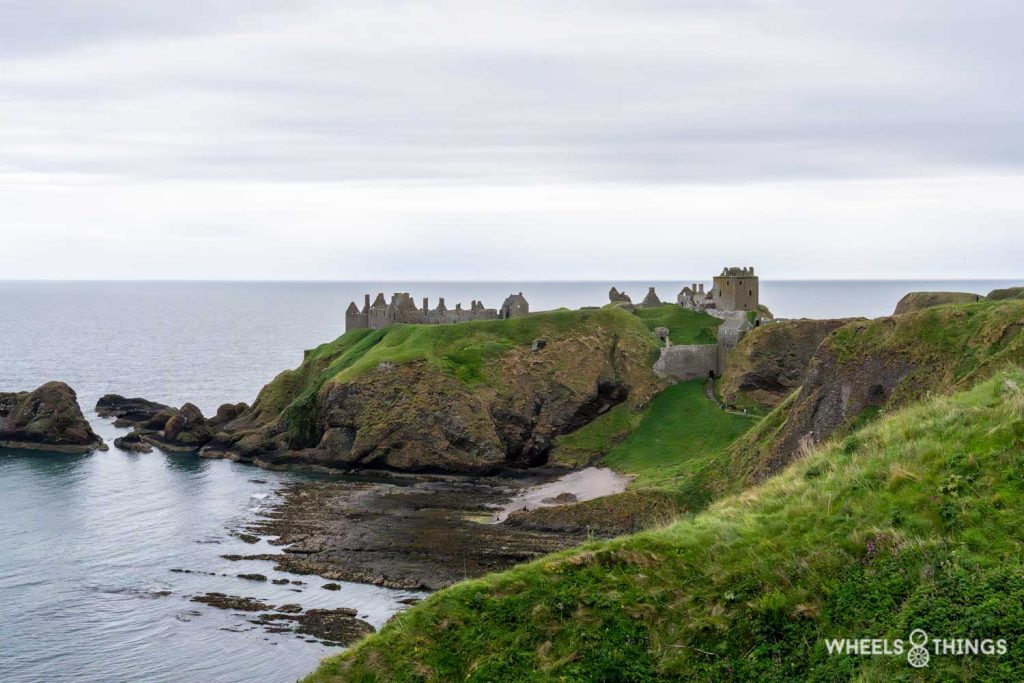
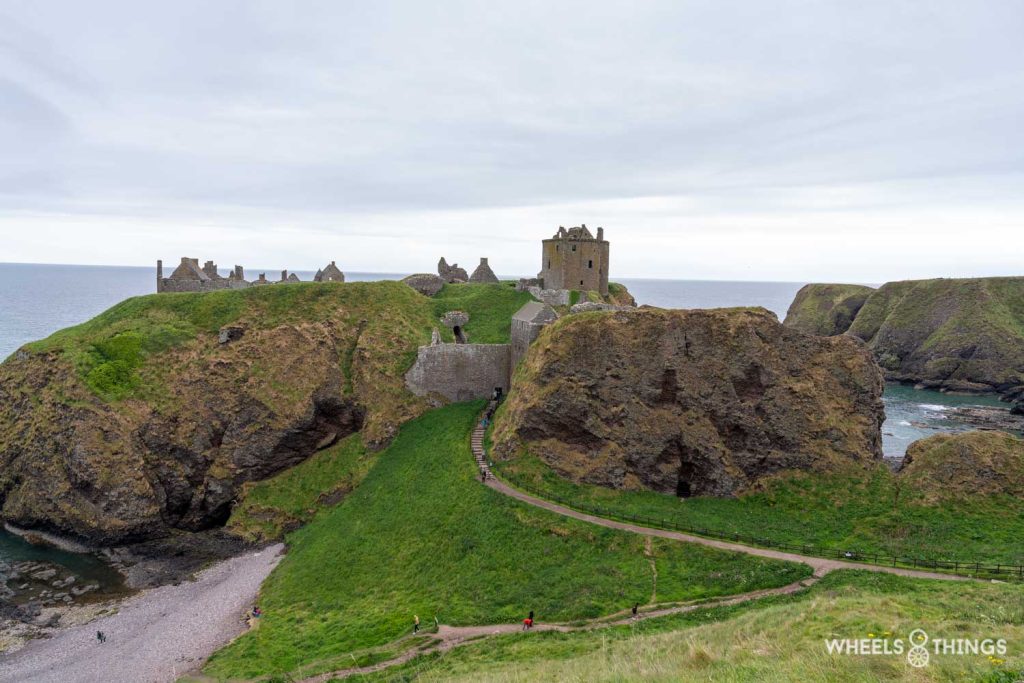
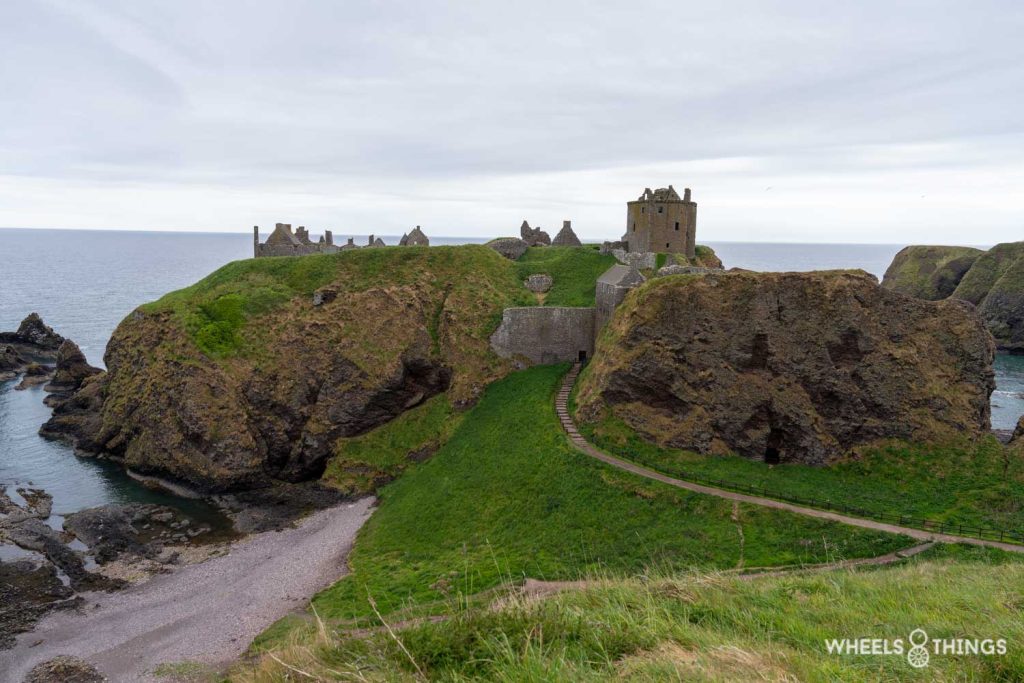
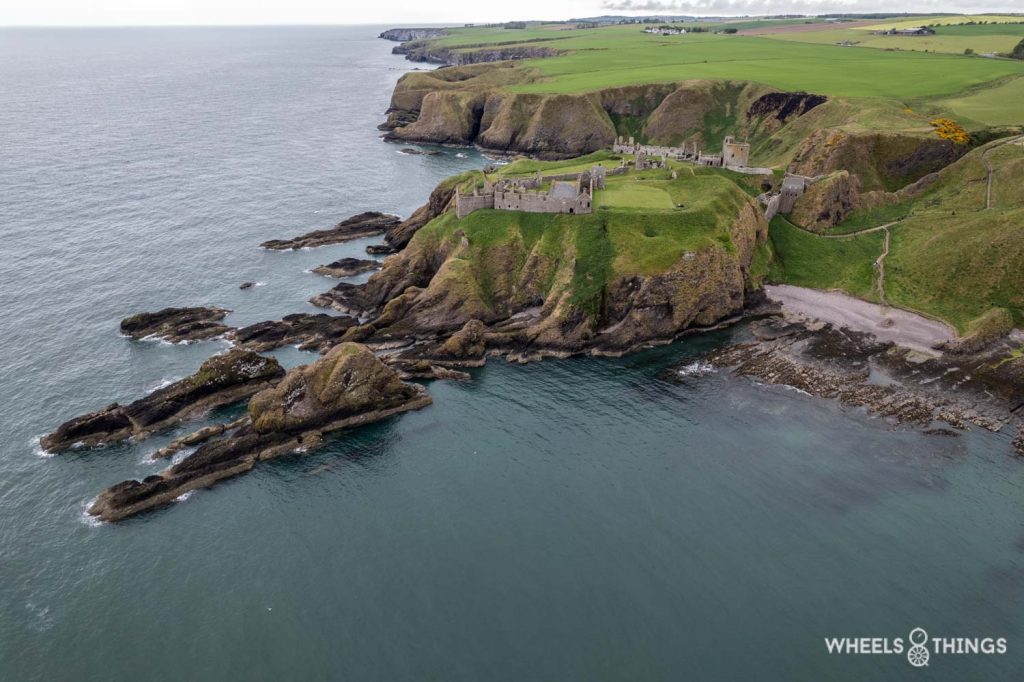
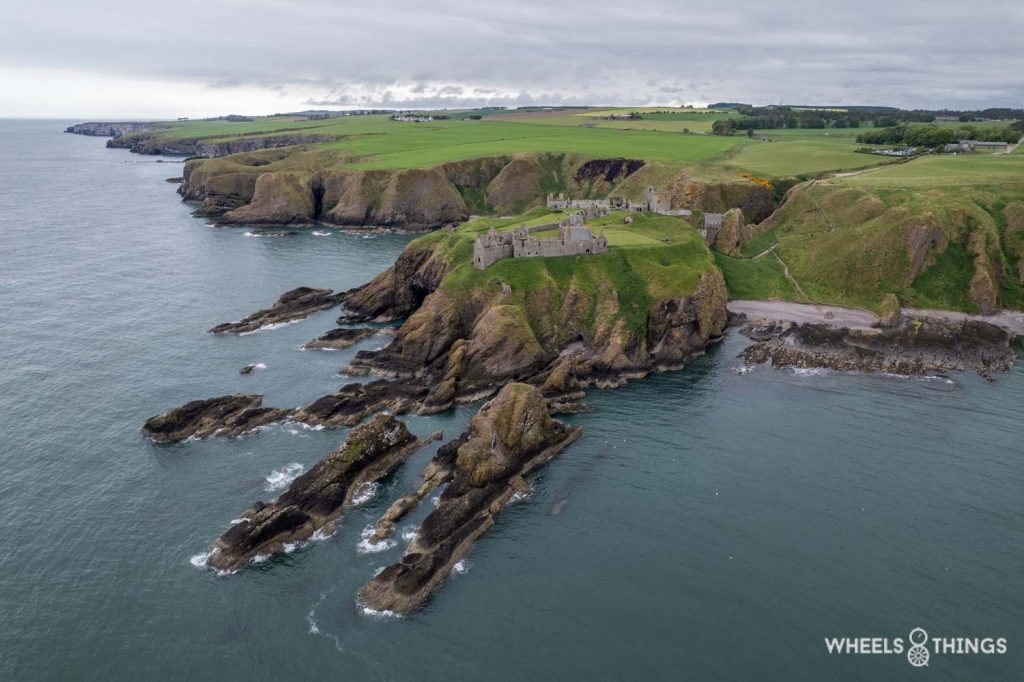
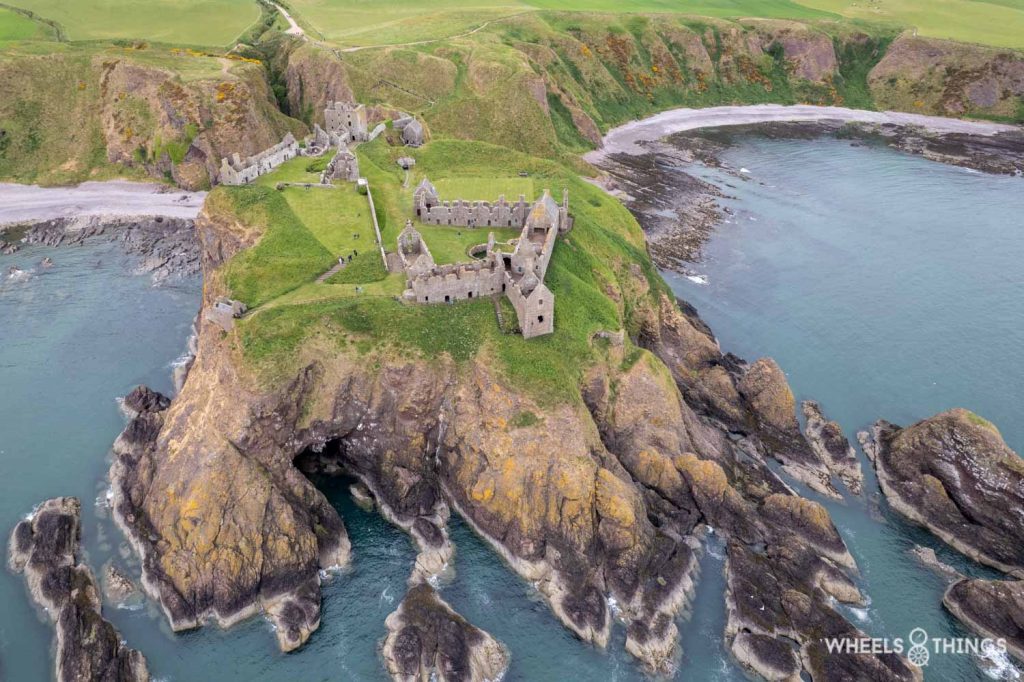
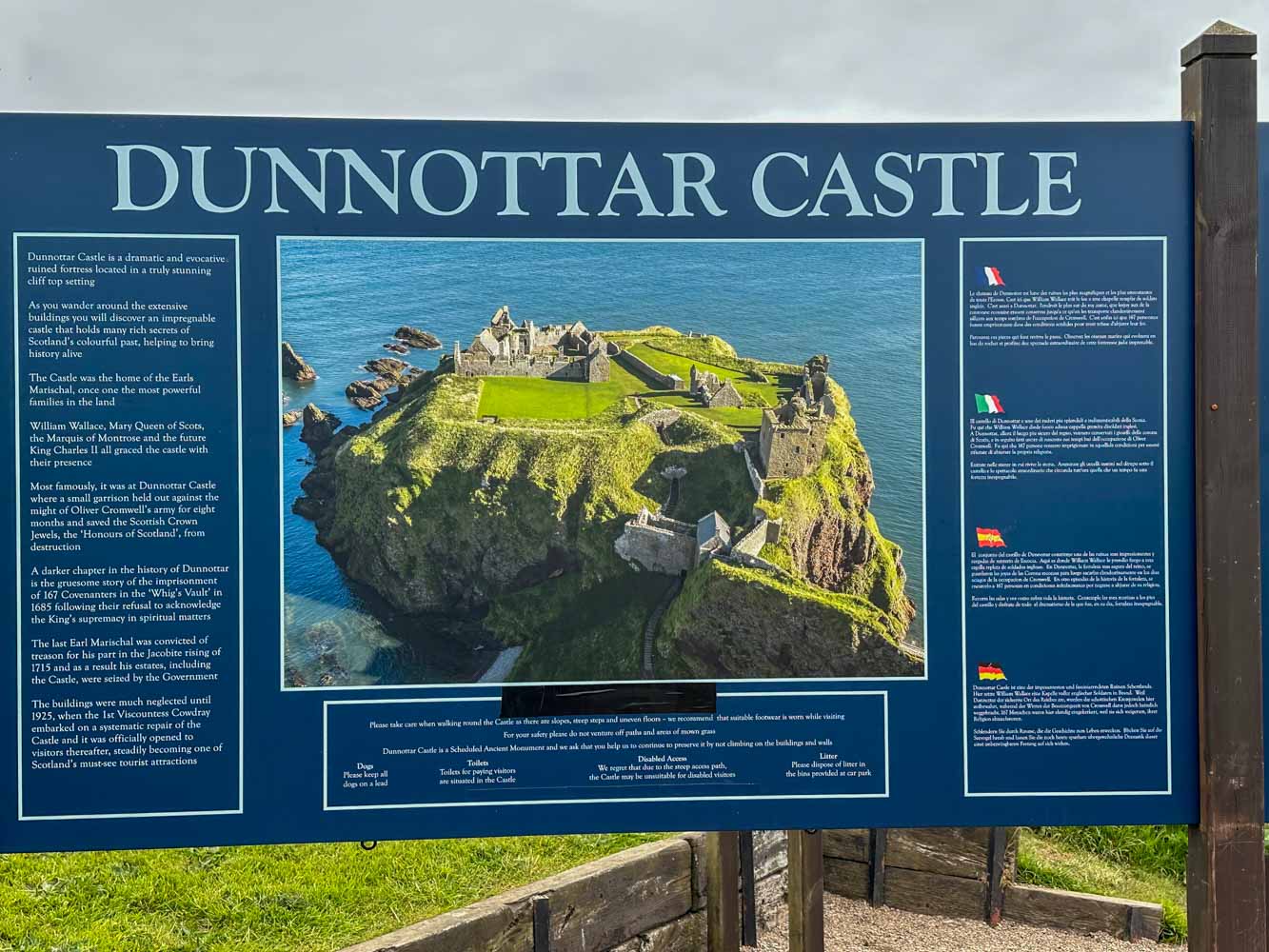
Dunnottar Castle is a castle that has fallen into ruin, located near the town of Stonehaven. Its location is quite spectacular, as it stands on a headland jutting out into the sea. Dunnottar Castle is sometimes said to be the most photographed castle in Scotland.
A chapel is said to have been built on this site as early as the 12th century. Major extensions were then carried out in the 14th and 16th centuries. During the English Civil War, it is said to have been an important stronghold for the Scots. In 1651, the Scottish crown jewels are said to have been kept here for a time.
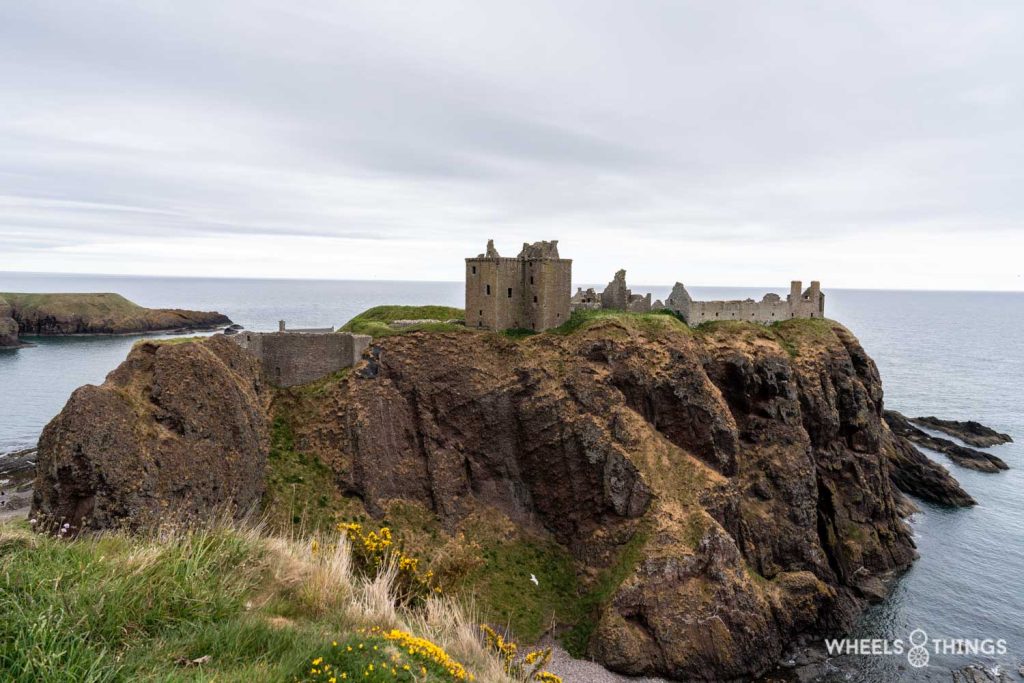
In the period that followed, the castle served as a prison, among other things. During the 18th century, the castle was abandoned and fell into disrepair.
Birdwatching
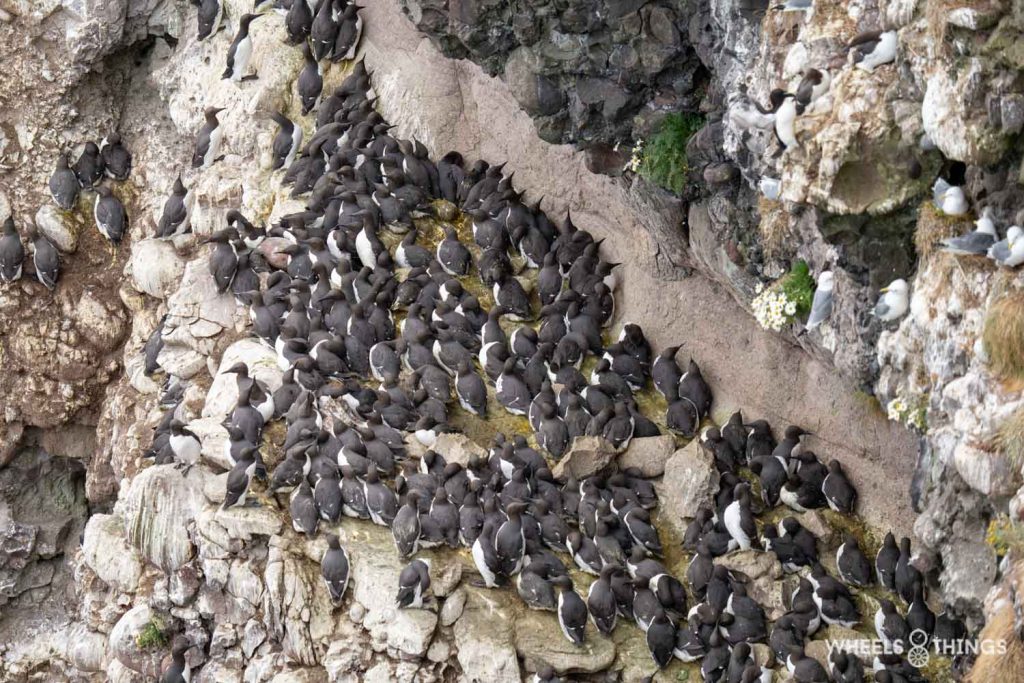
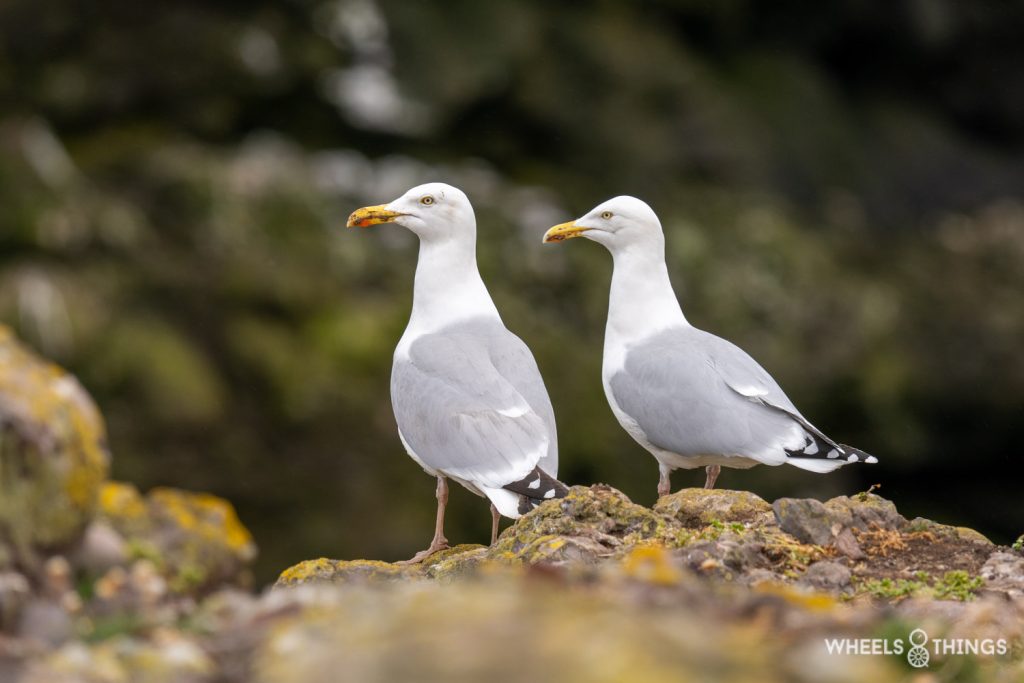
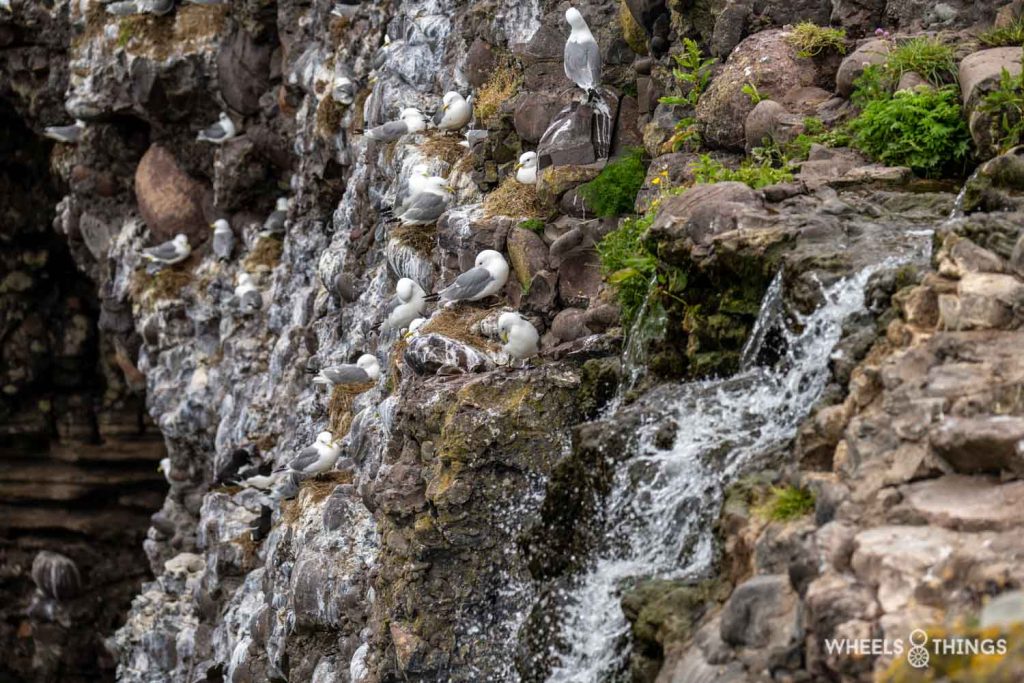
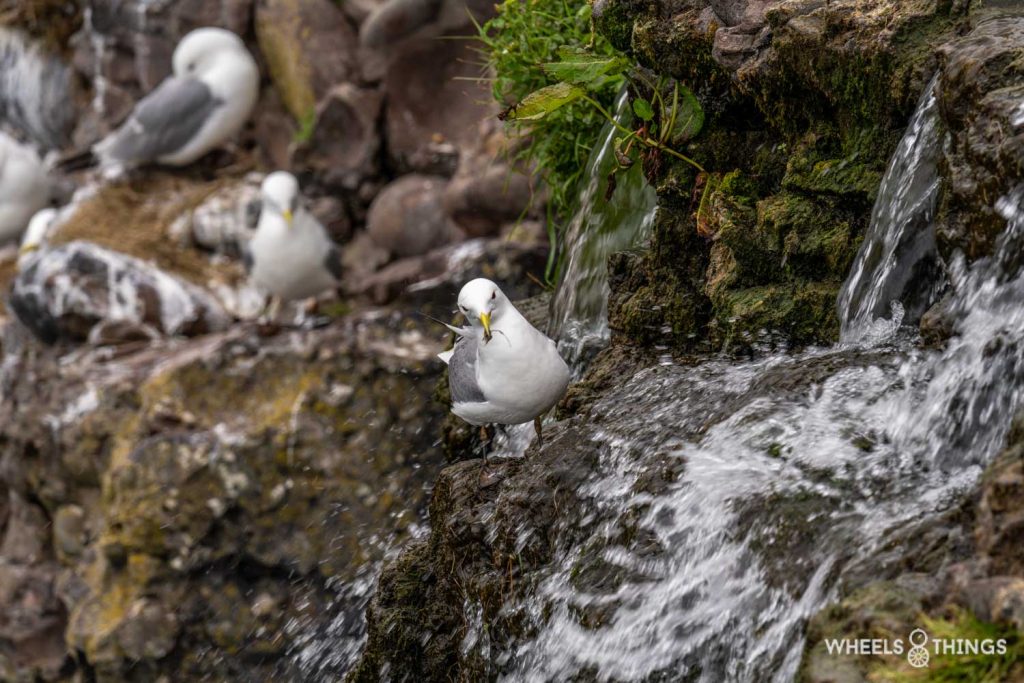
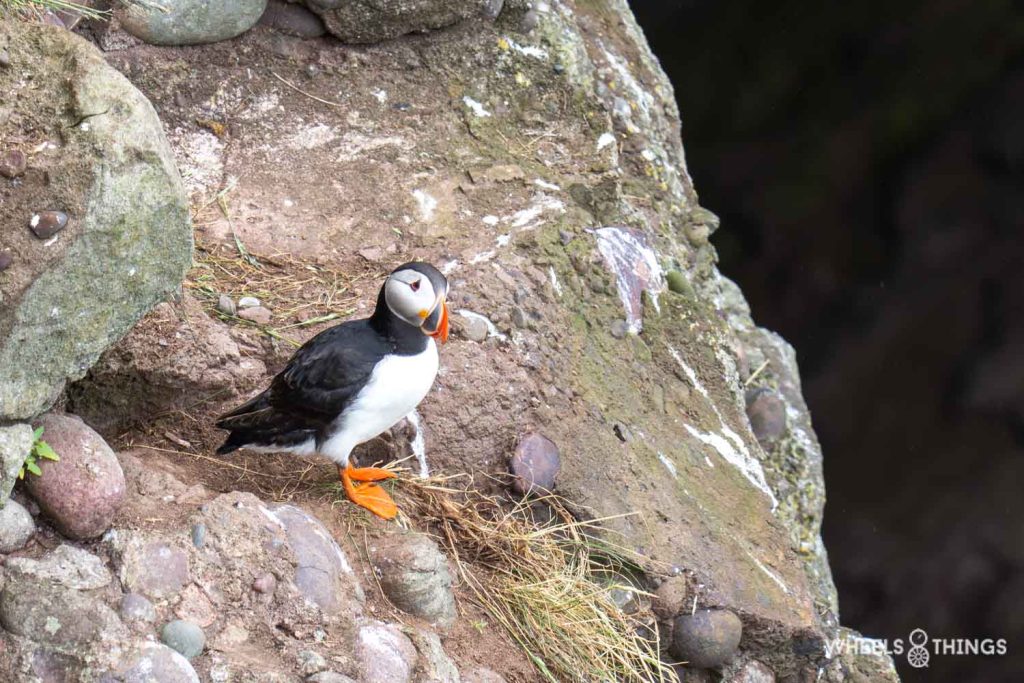
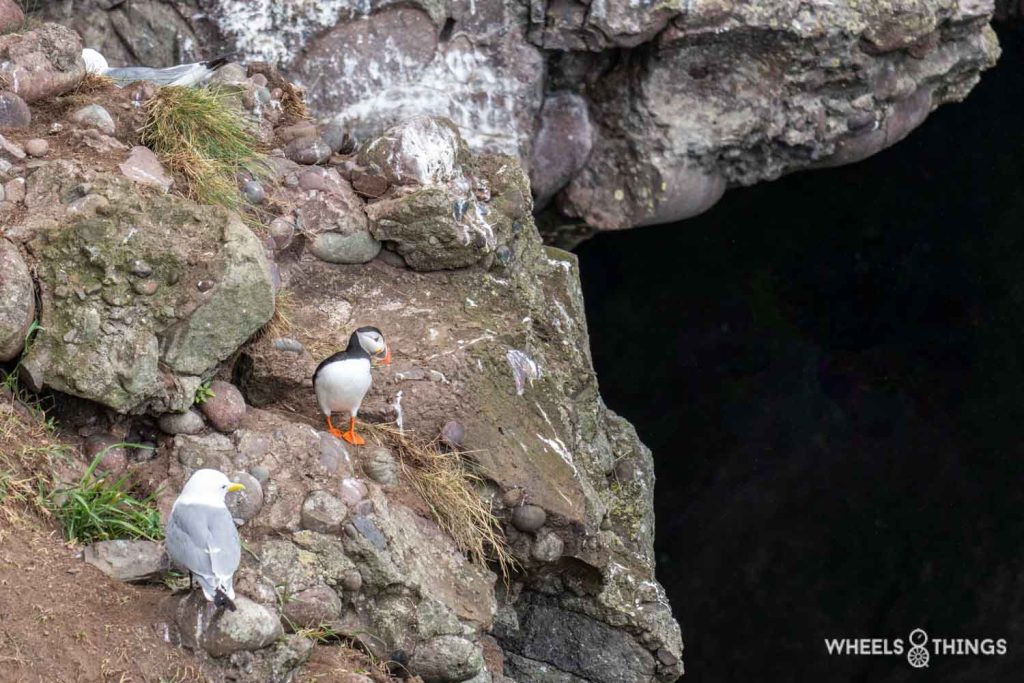
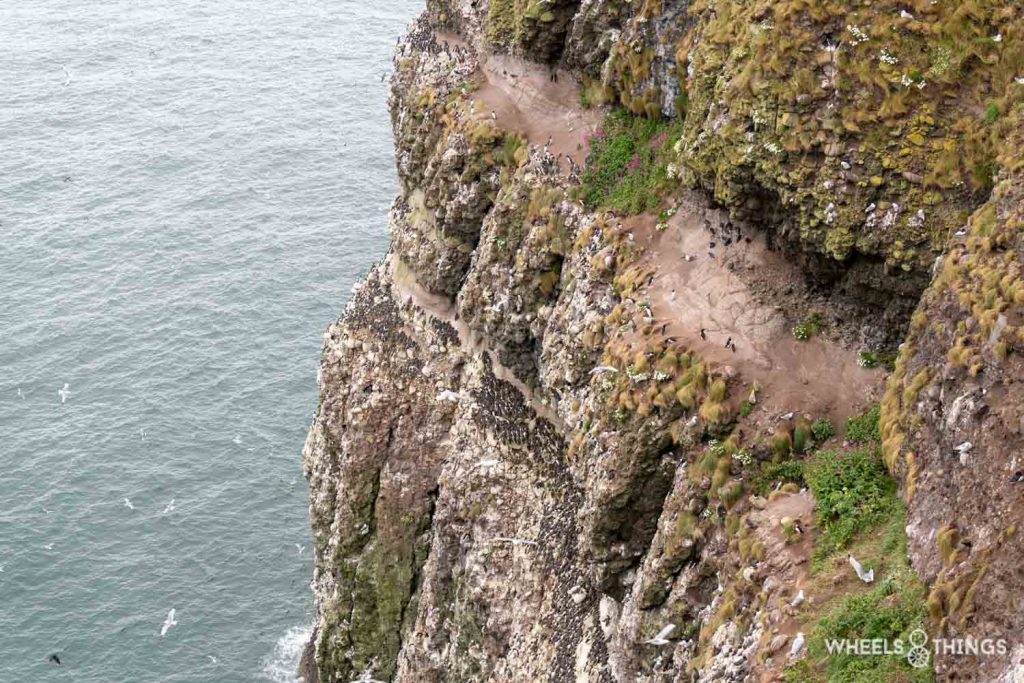
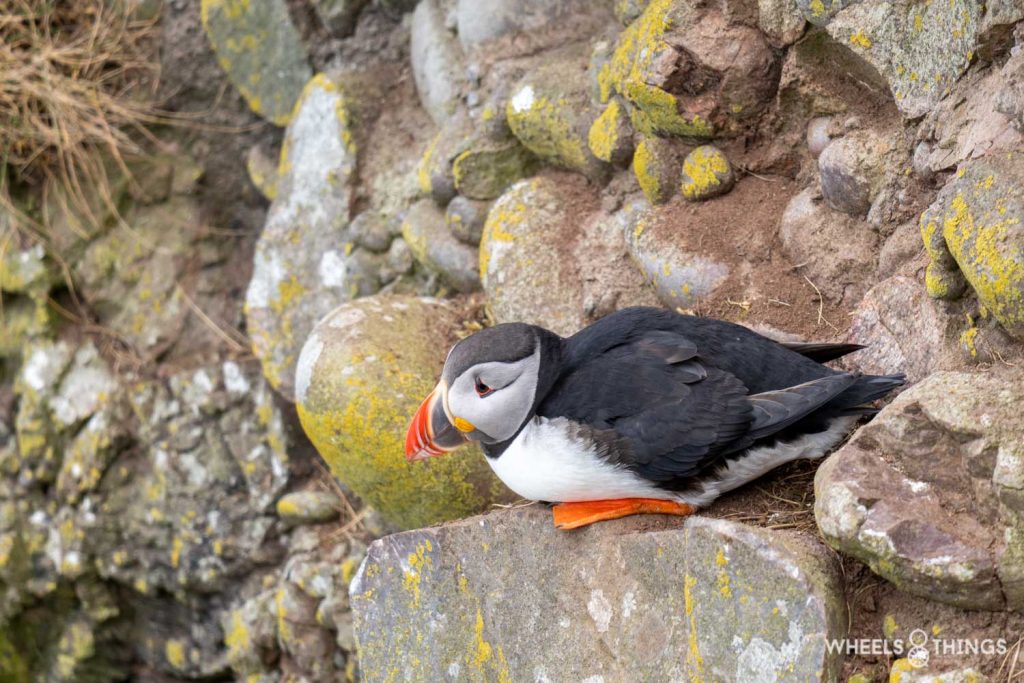
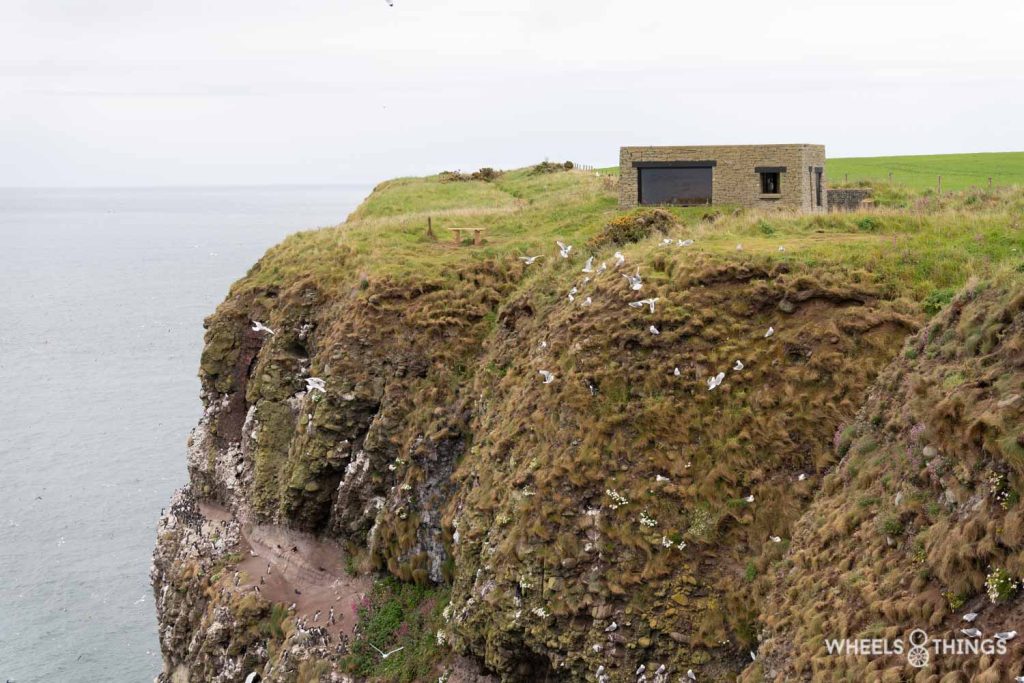
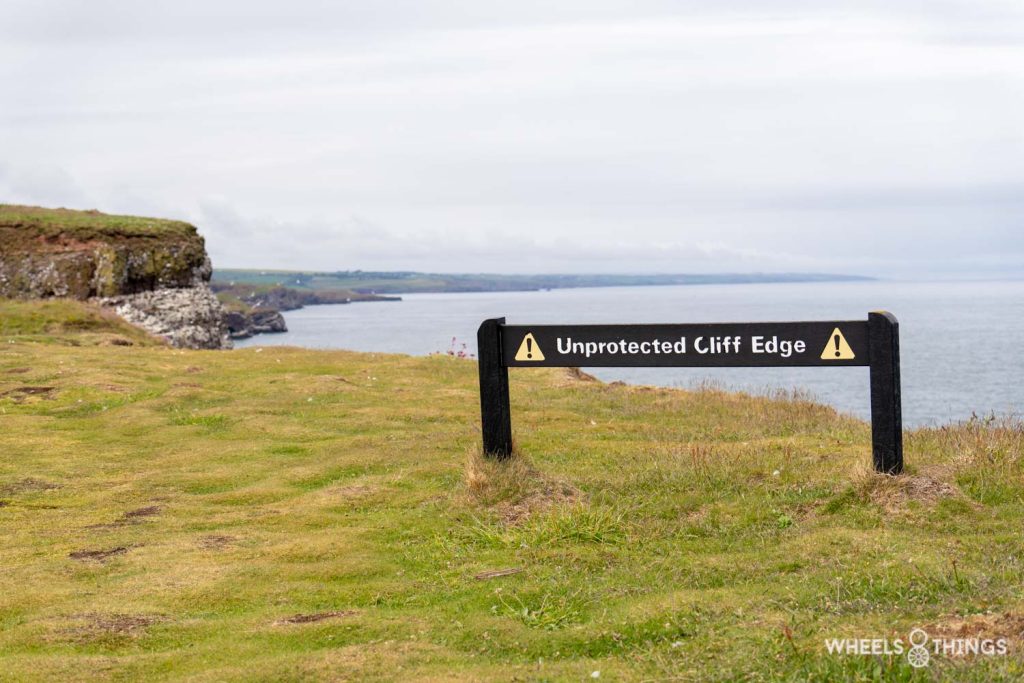
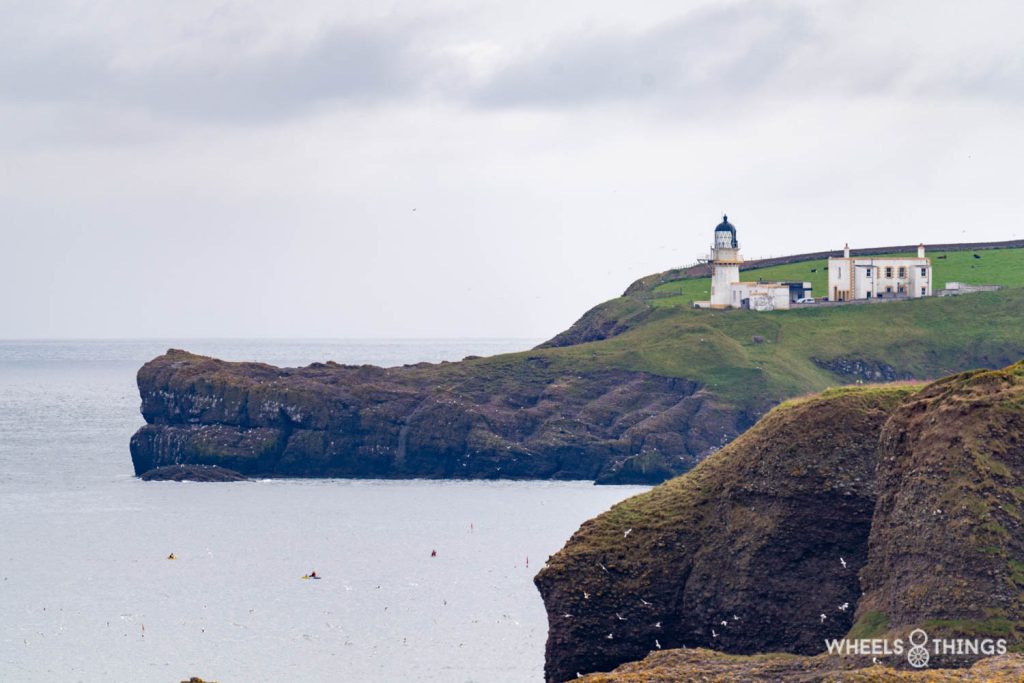
One of the items remaining on the to-do list was to observe puffins. We passed Crawton Bay, located in the former county of Aberdeenshire.
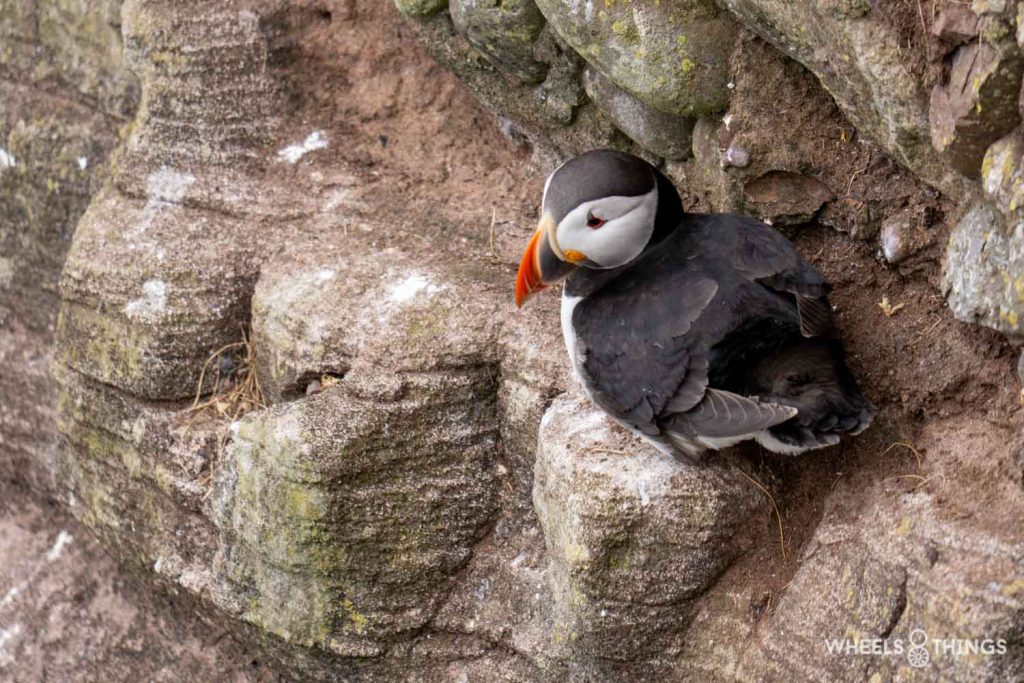
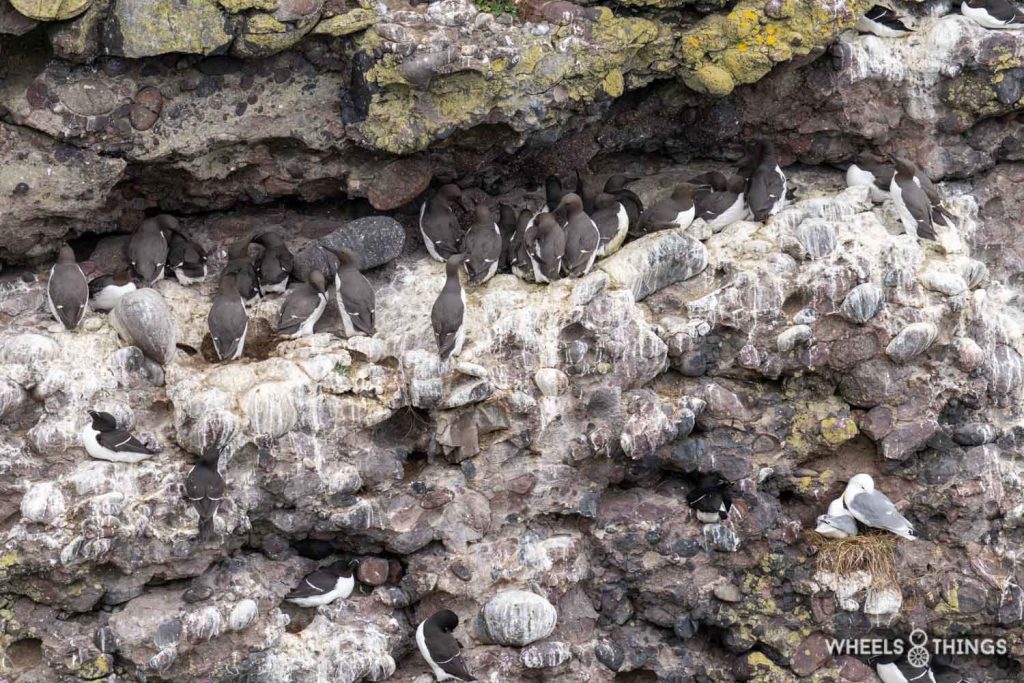
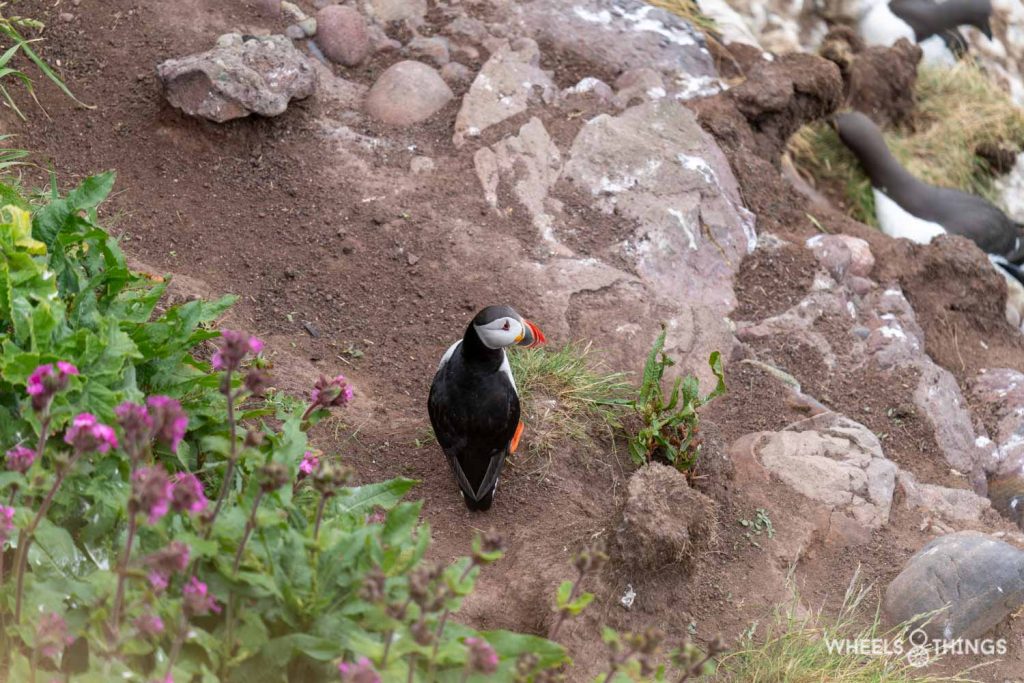
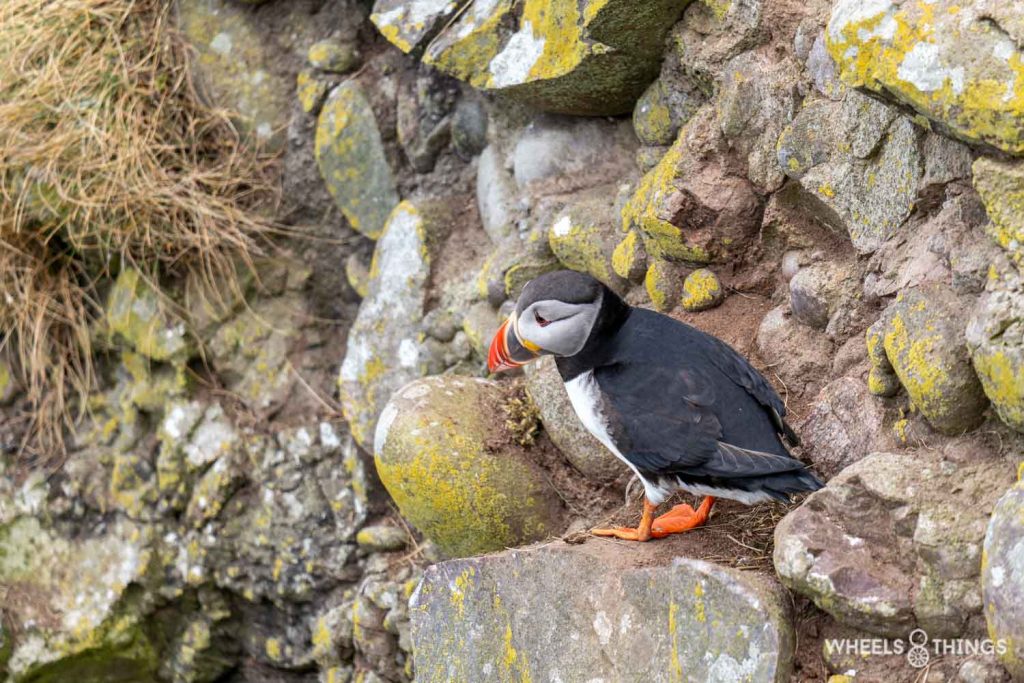
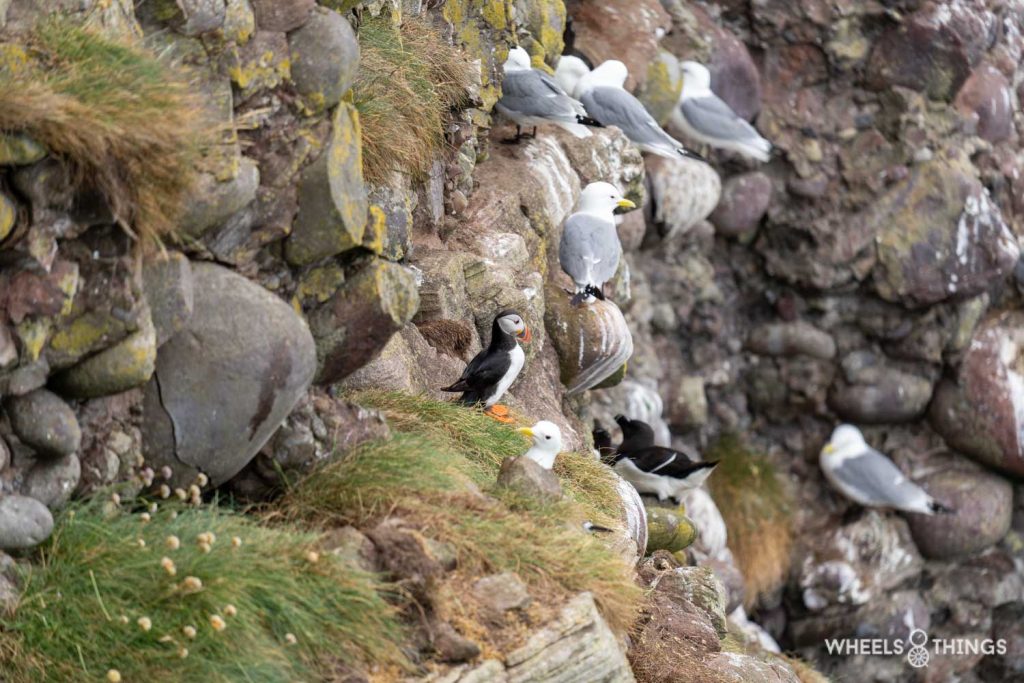
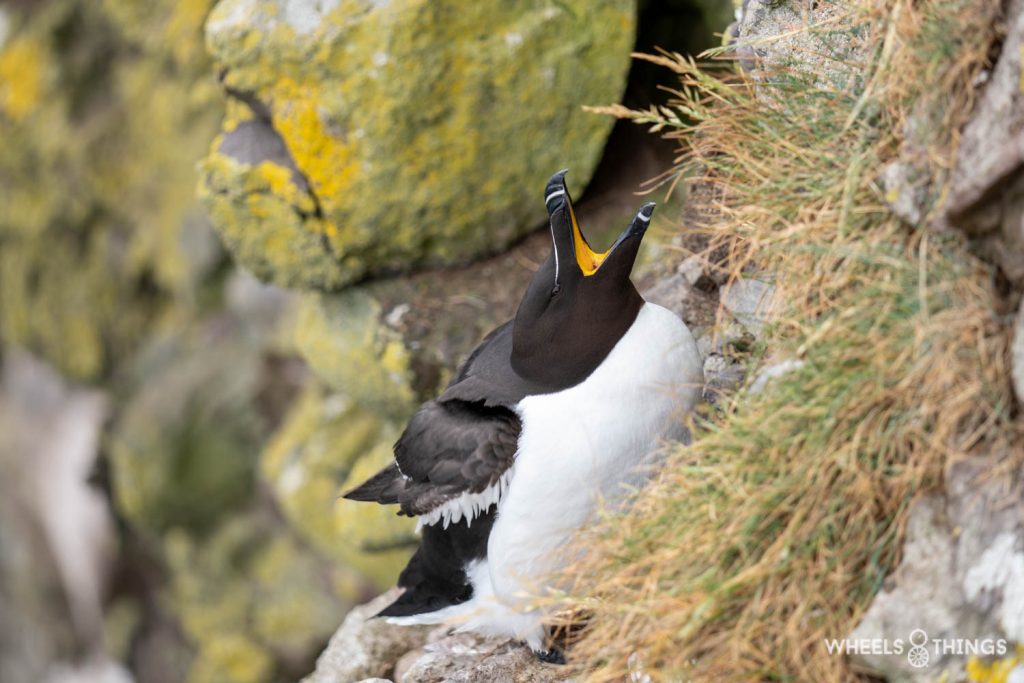
There is a 1.2 km long coastal path and it is considered one of the largest and most spectacular breeding areas in the UK. Every year, more than 100,000 birds return to their nests here. Finding the puffins was almost impossible. We spoke to a few other people and it turned out there were about 12 among the thousands of other birds. After some searching, we finally found them :-). They are actually surprisingly small birds, but that doesn’t make them any less cute.
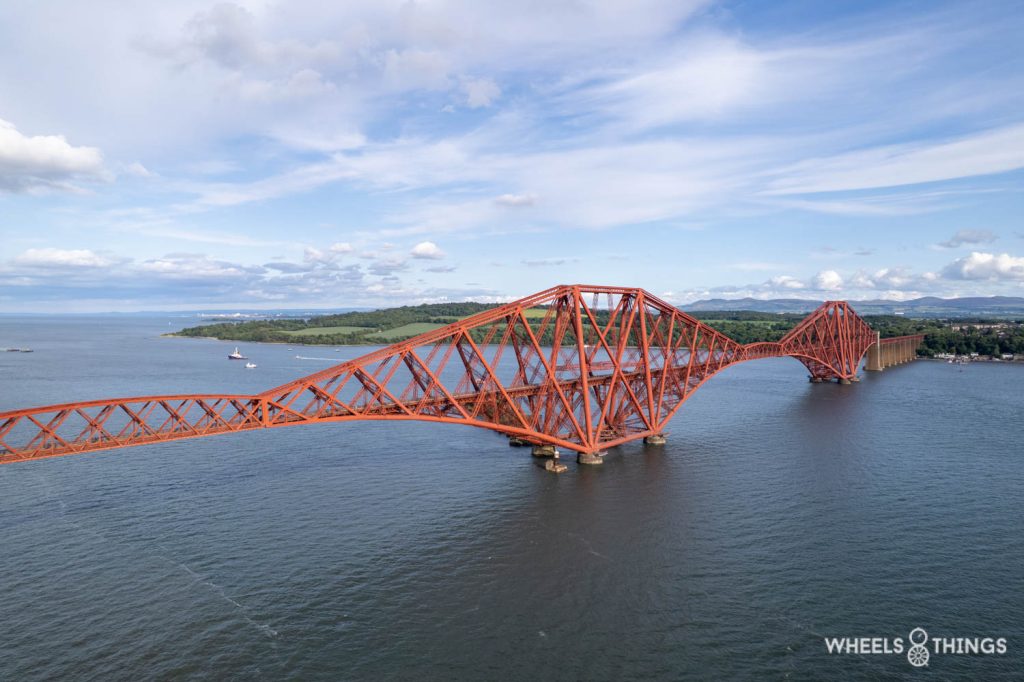
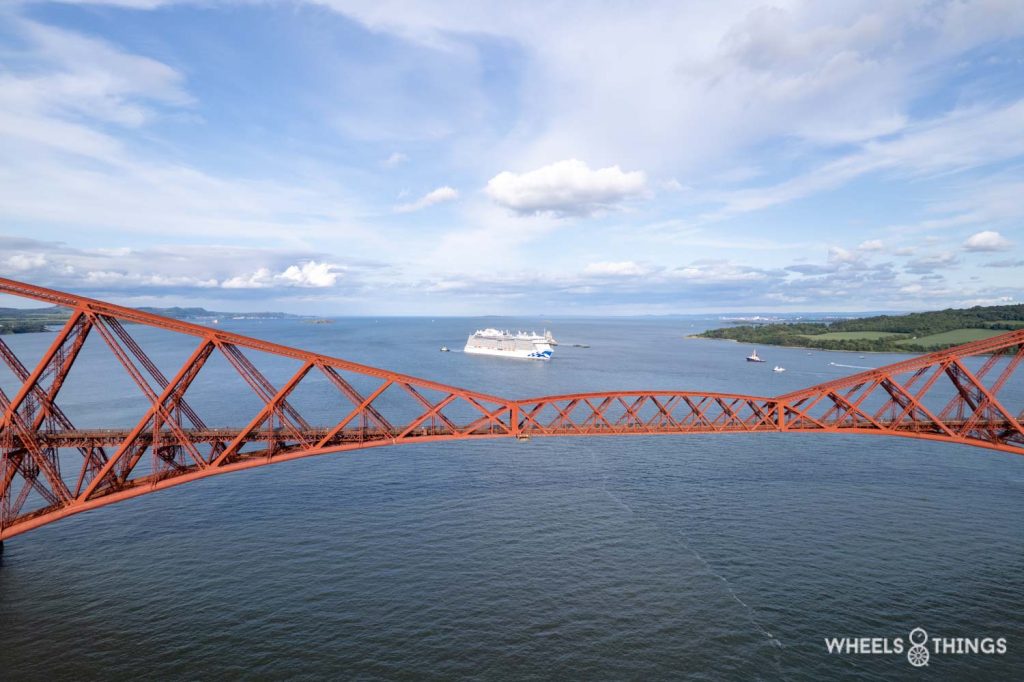
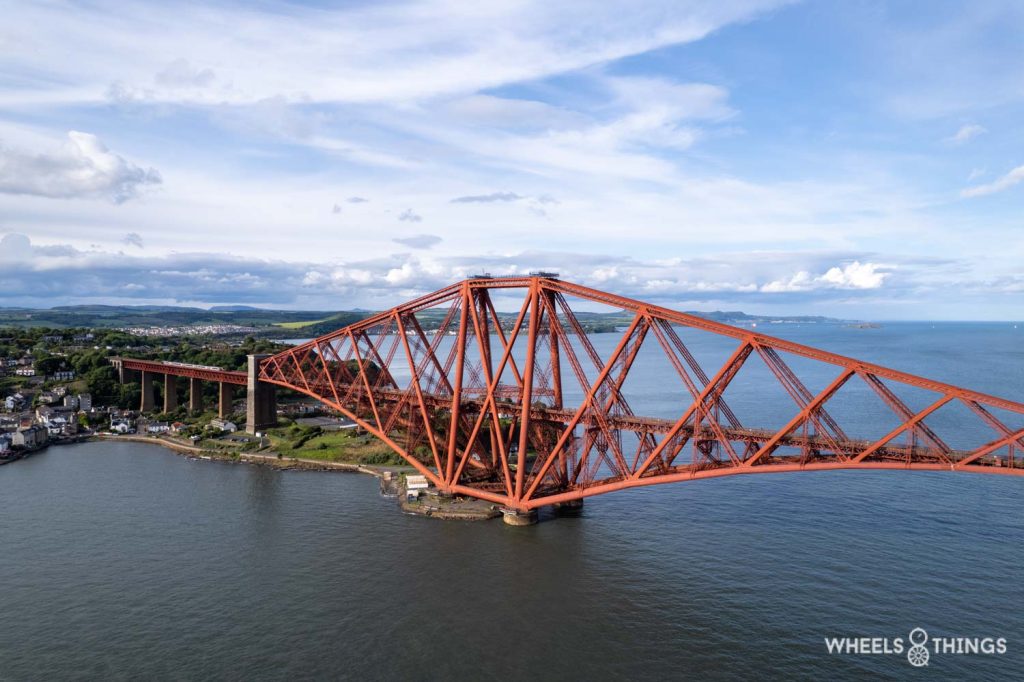
Dunfermline – Forth Bridge
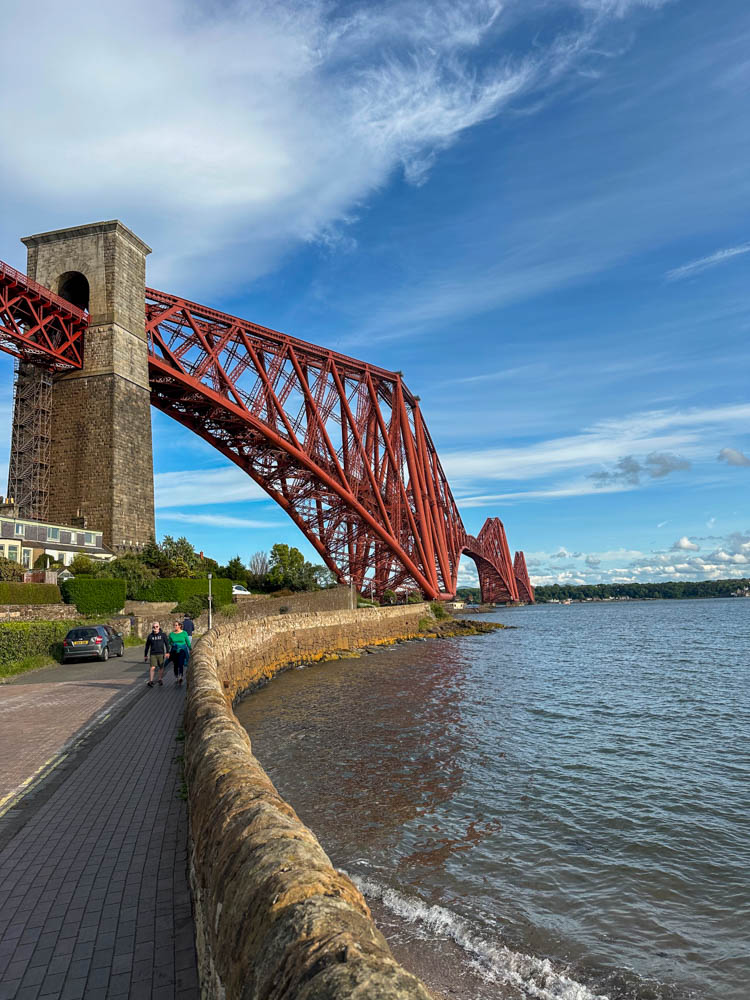
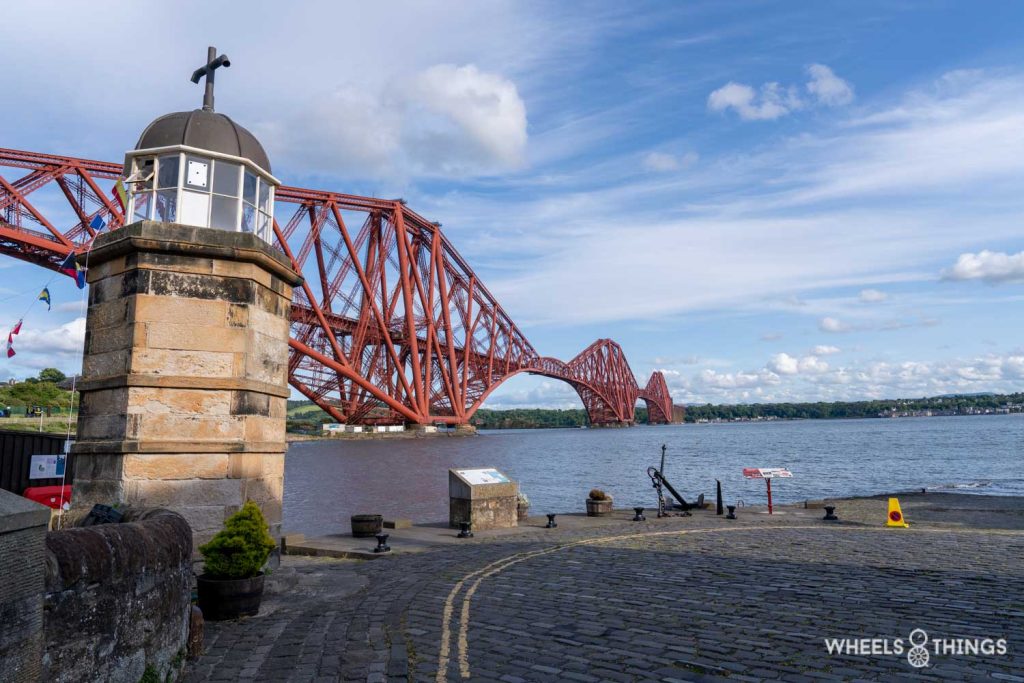
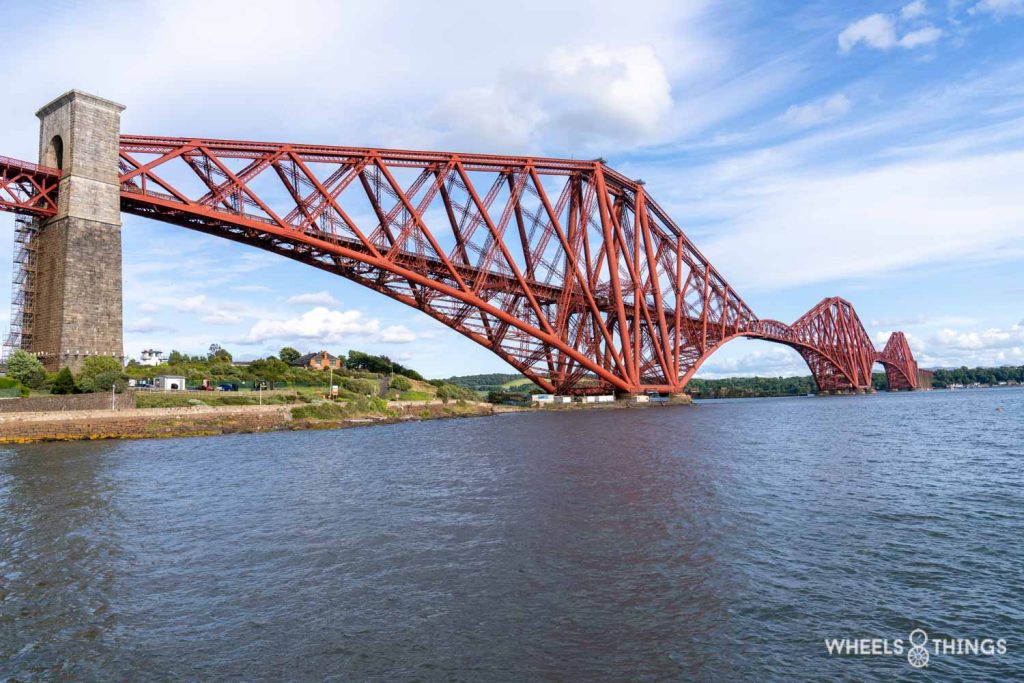
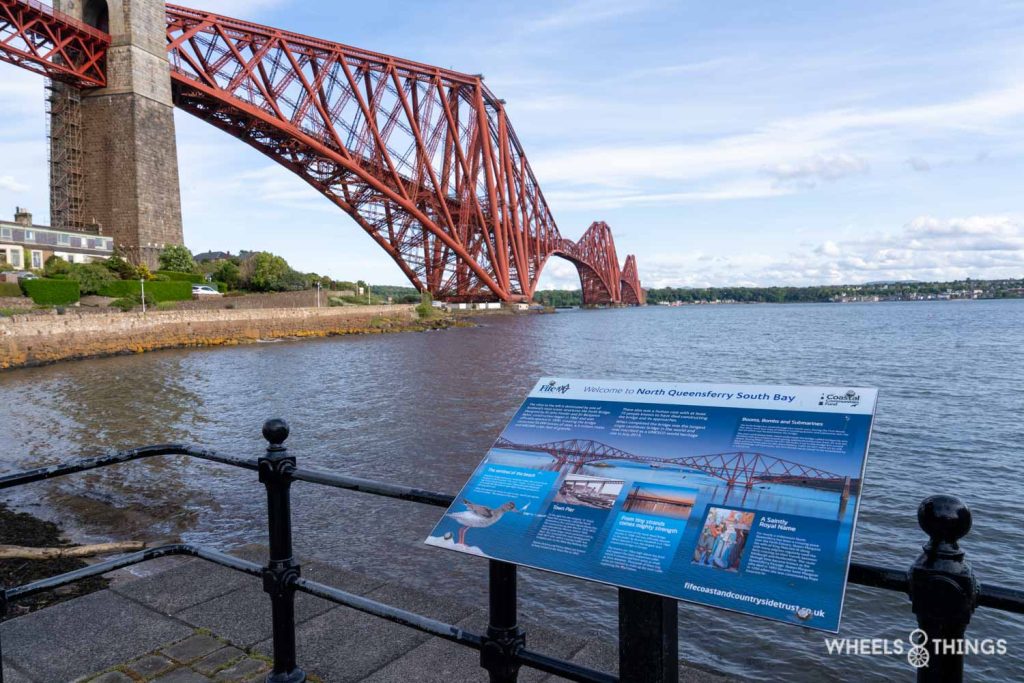
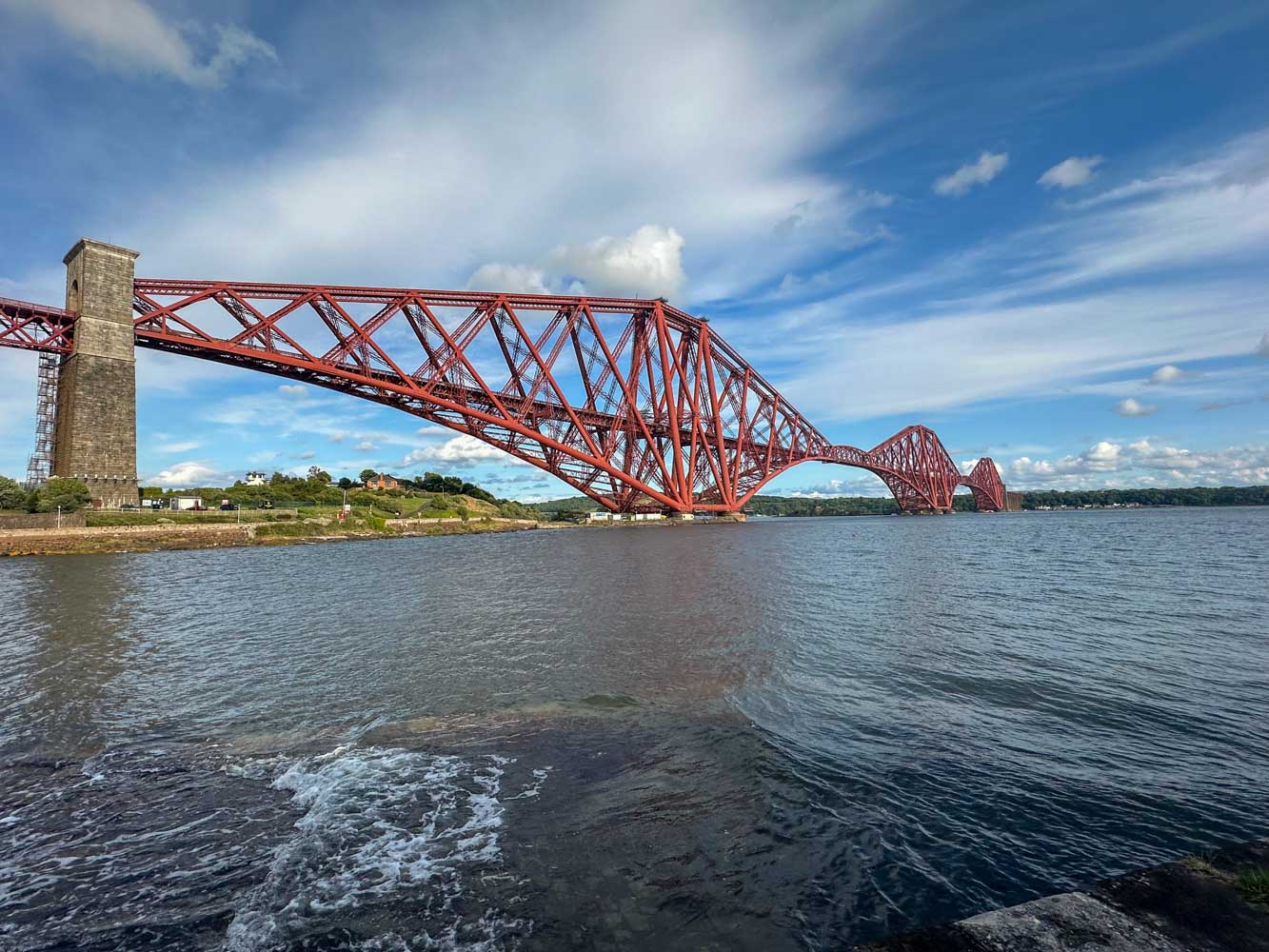
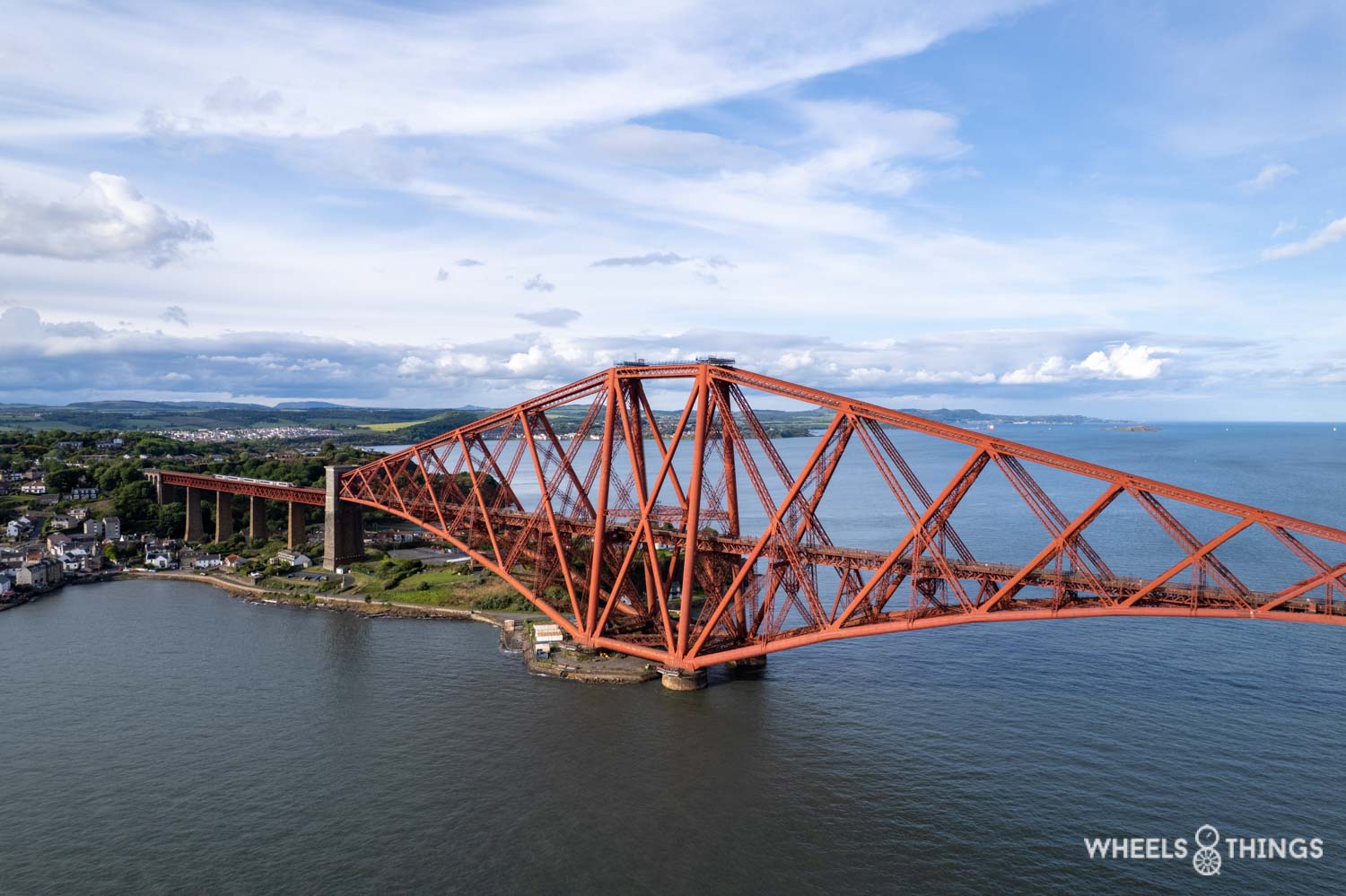
When we travelled through Scotland in 2019, we saw the Forth Bridge in the distance. We didn’t have time to drive there at the time, but it remained etched in my memory. During this trip, we made sure to set aside time to visit this bridge.
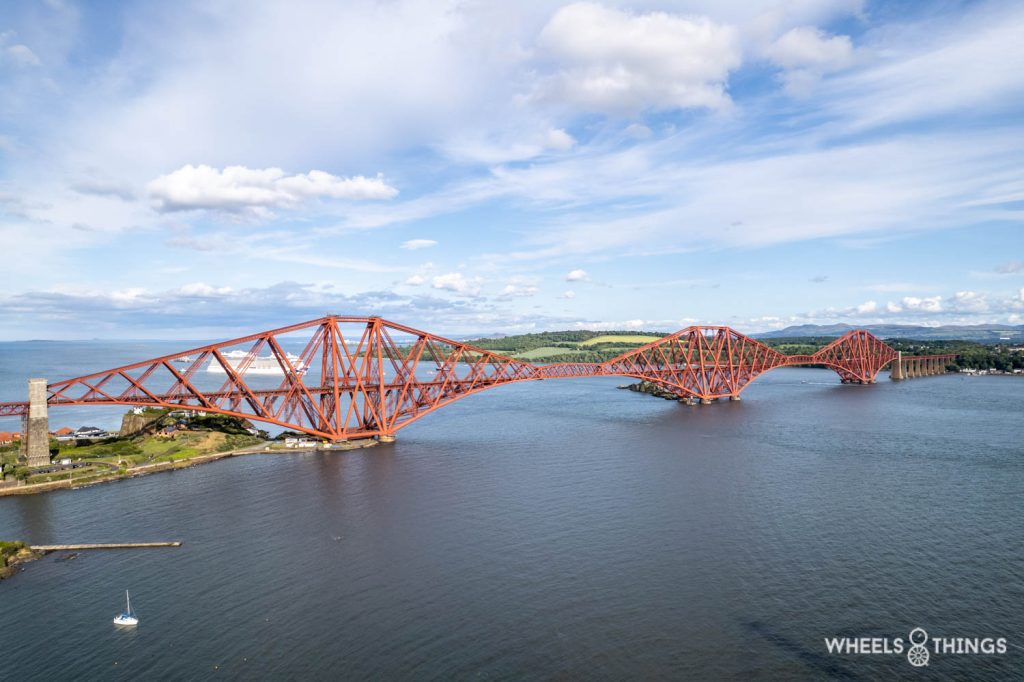
Construction of the Forth Bridge began in 1882 and it was officially opened on 4 March 1890. The bridge is 2,528.7 metres long, has a clearance height of 46 metres and the largest span is 2 x 521.3 metres.
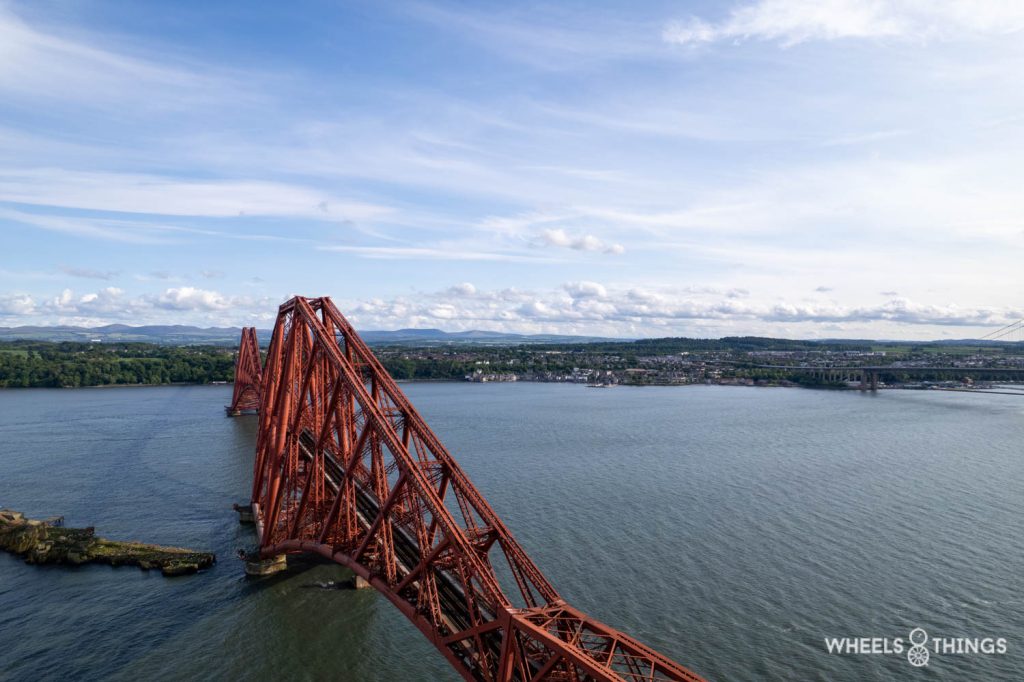
The bridge has two tracks, over which between 190 and 200 trains pass every day. In 2015, the bridge was recognised as a UNESCO World Heritage Site.
Day 8: Edinburg – York 330km
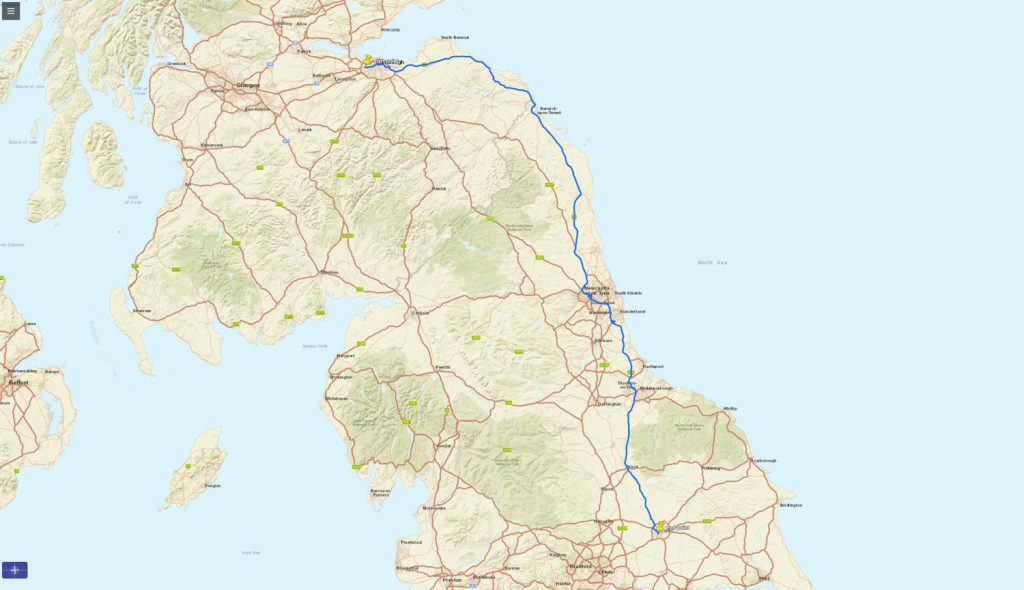
Today we are leaving Scotland, but not without first visiting what we consider to be the most beautiful part of the UK.
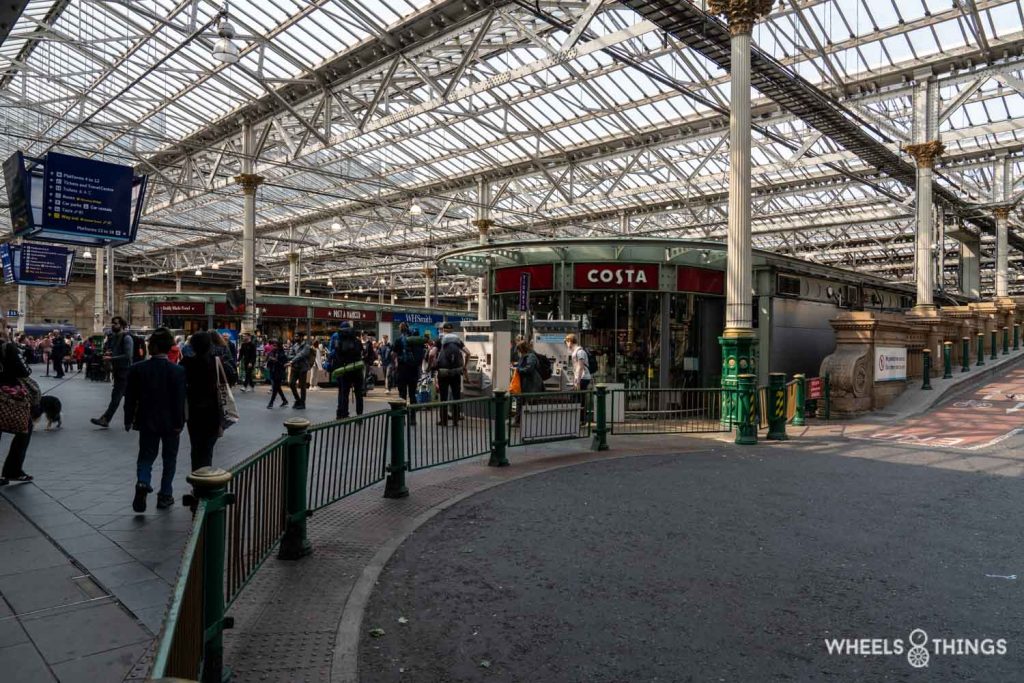
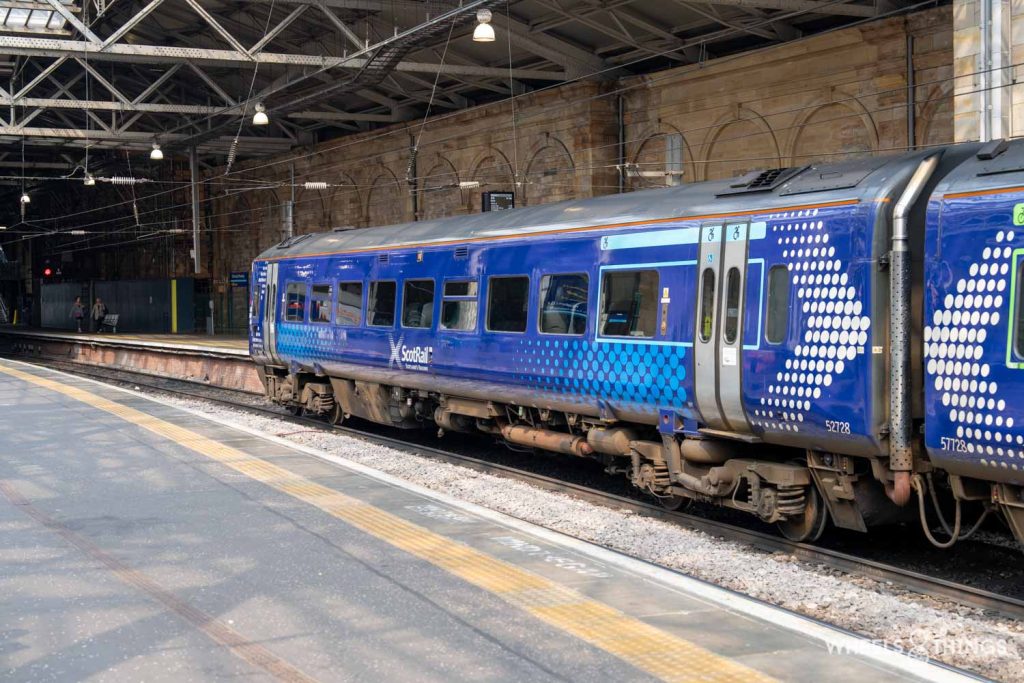
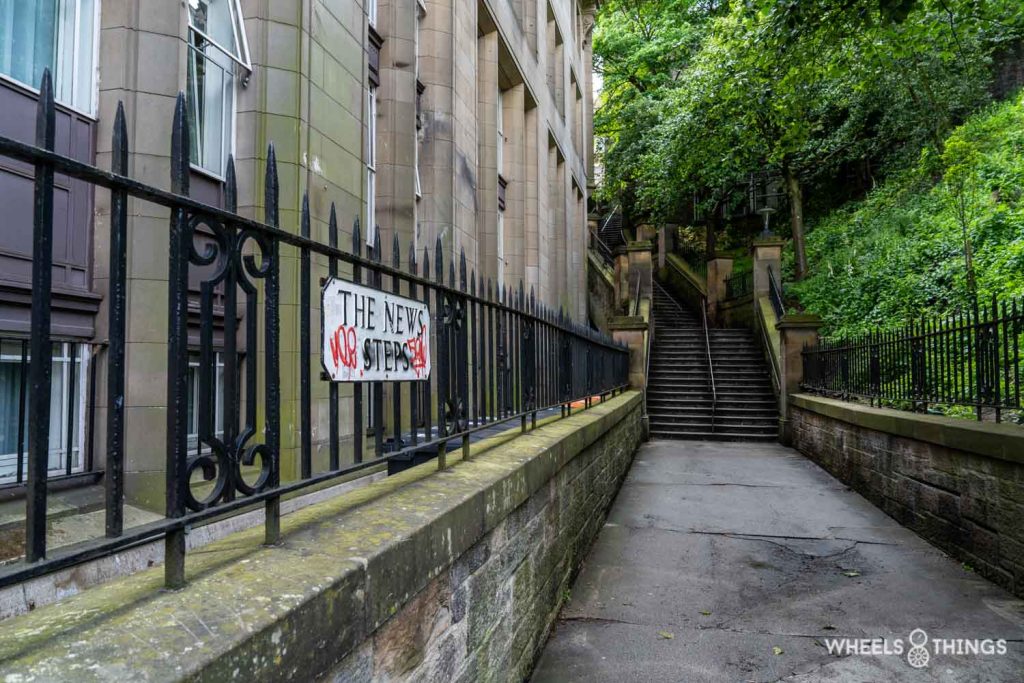
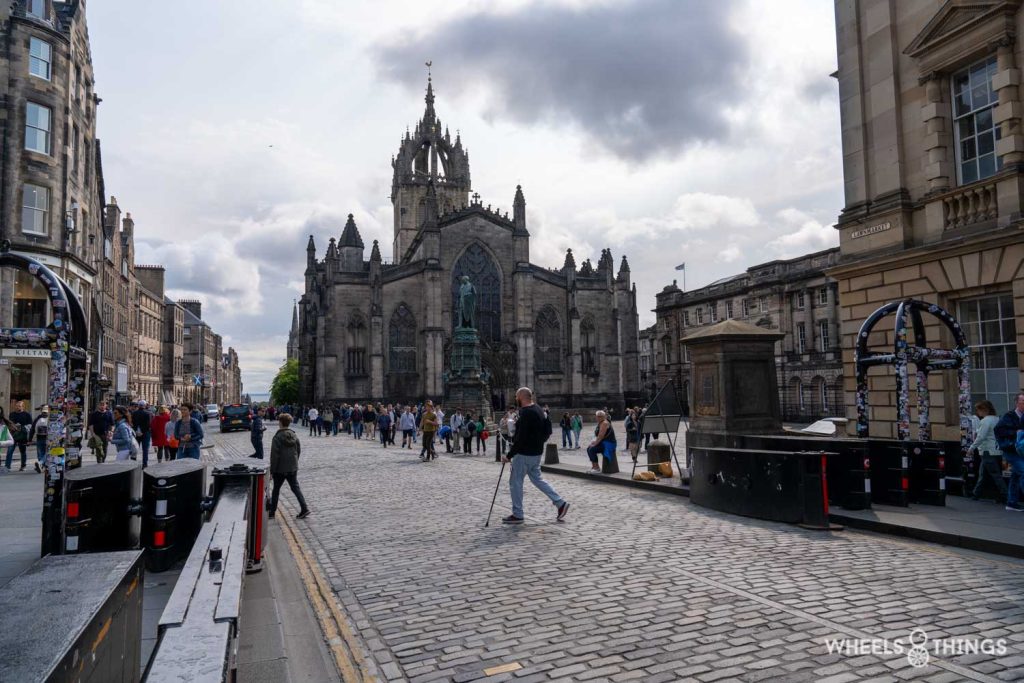
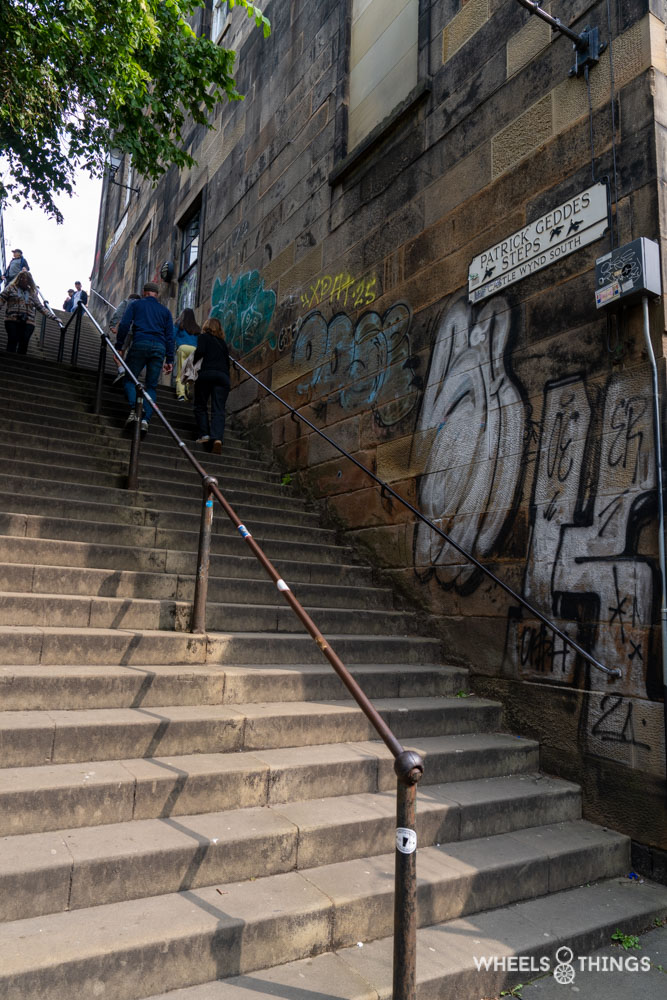
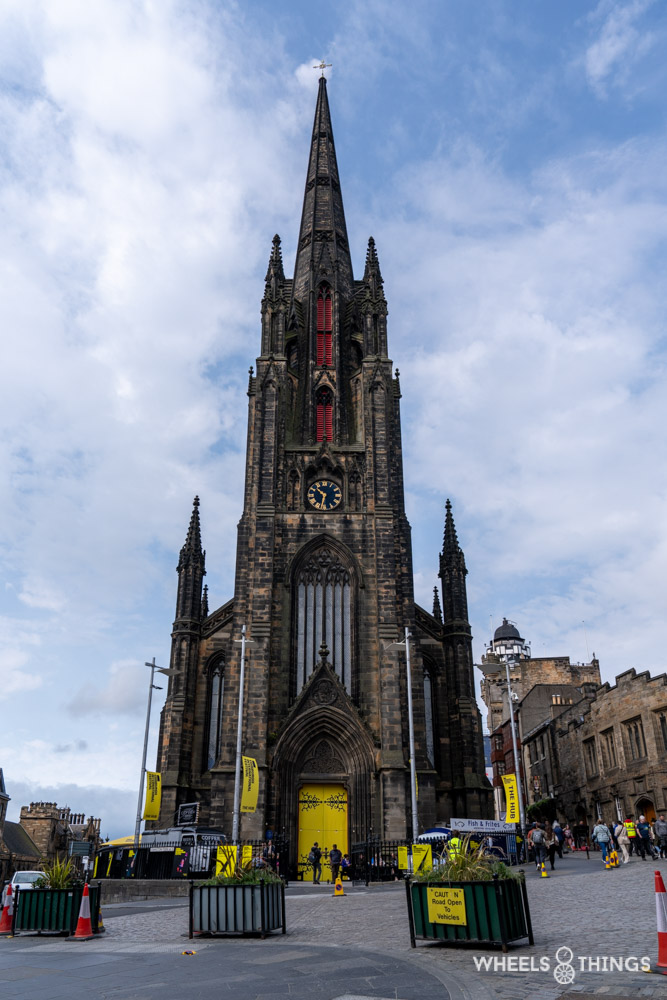
Edinburg
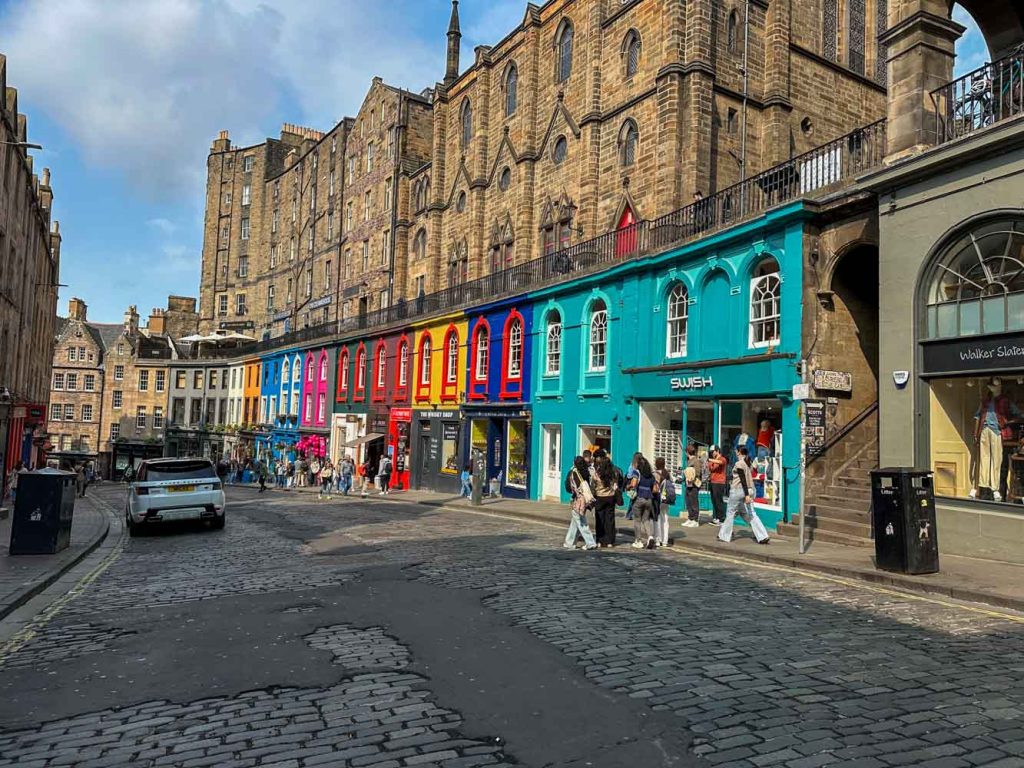
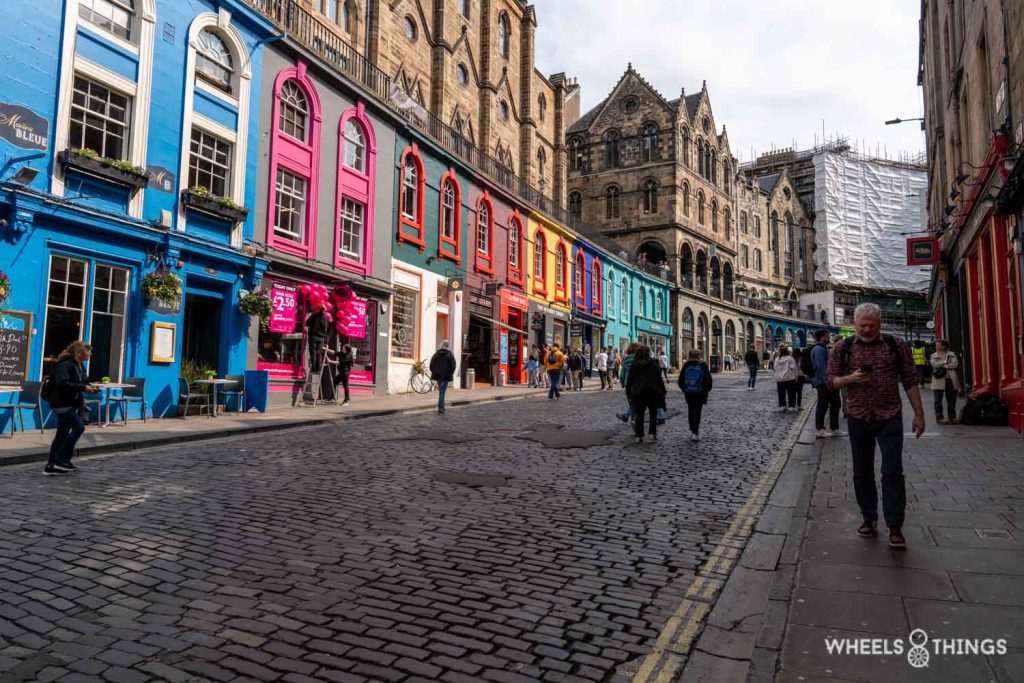
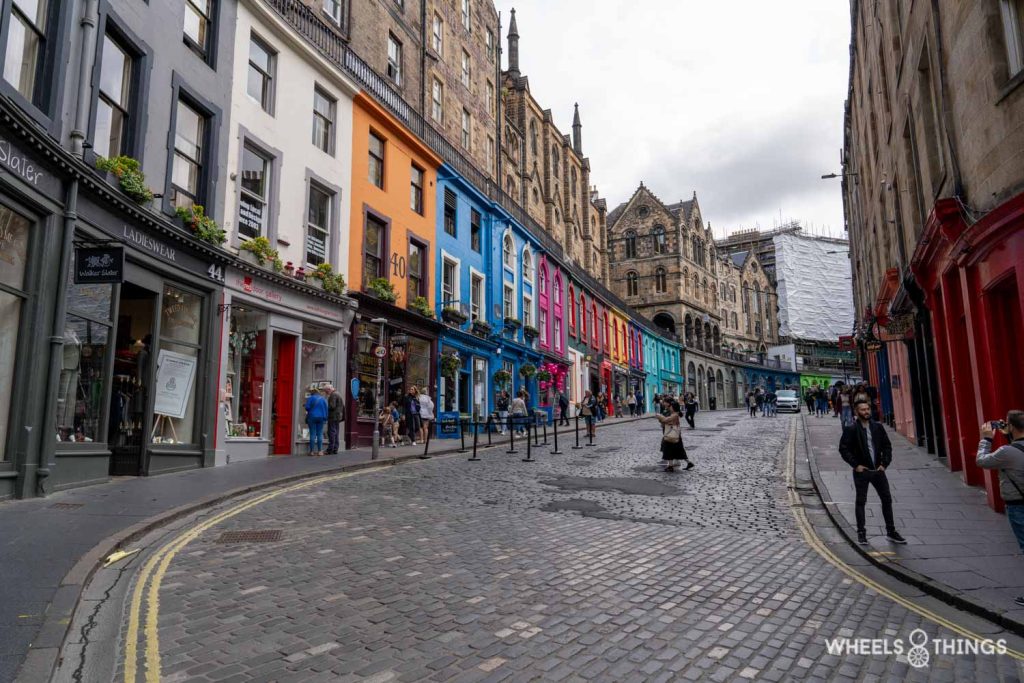
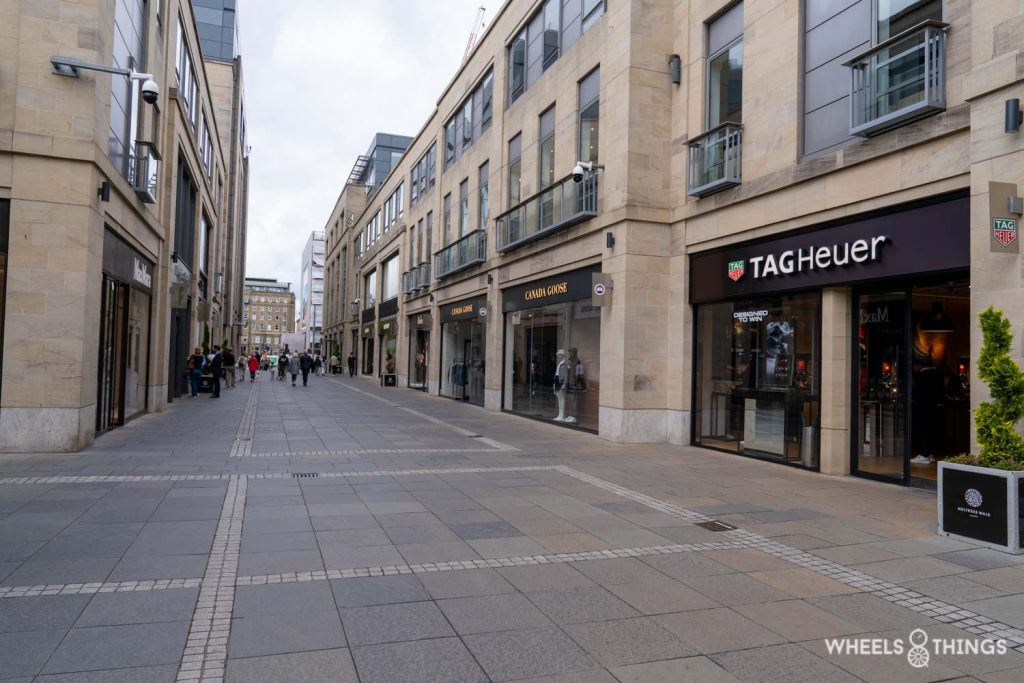
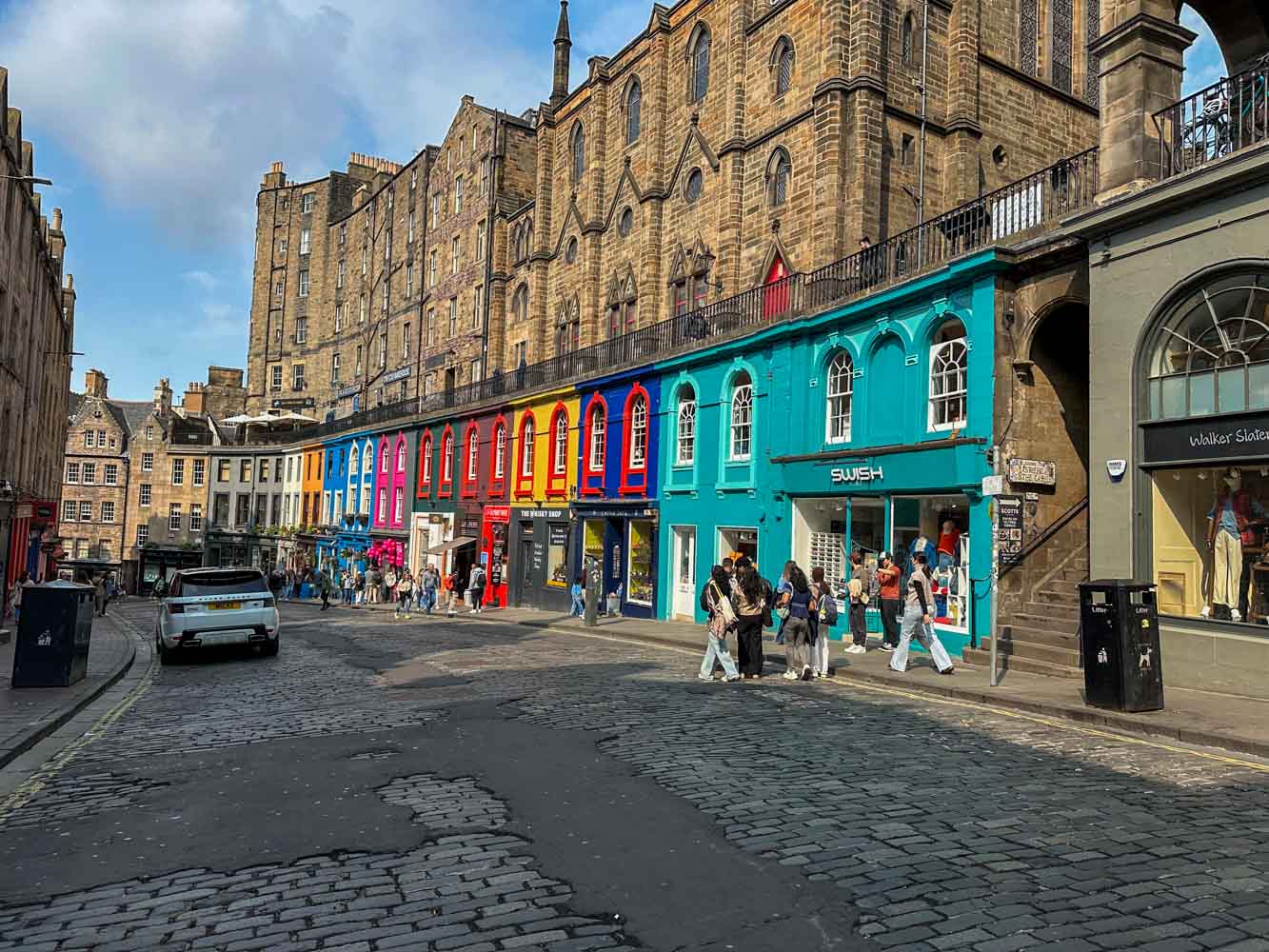
Above you can see Victoria Street, known for its colourful facades but also for its many shops, pubs and restaurants. Even Harry Potter fans can indulge themselves here in a shop/museum dedicated entirely to the films.
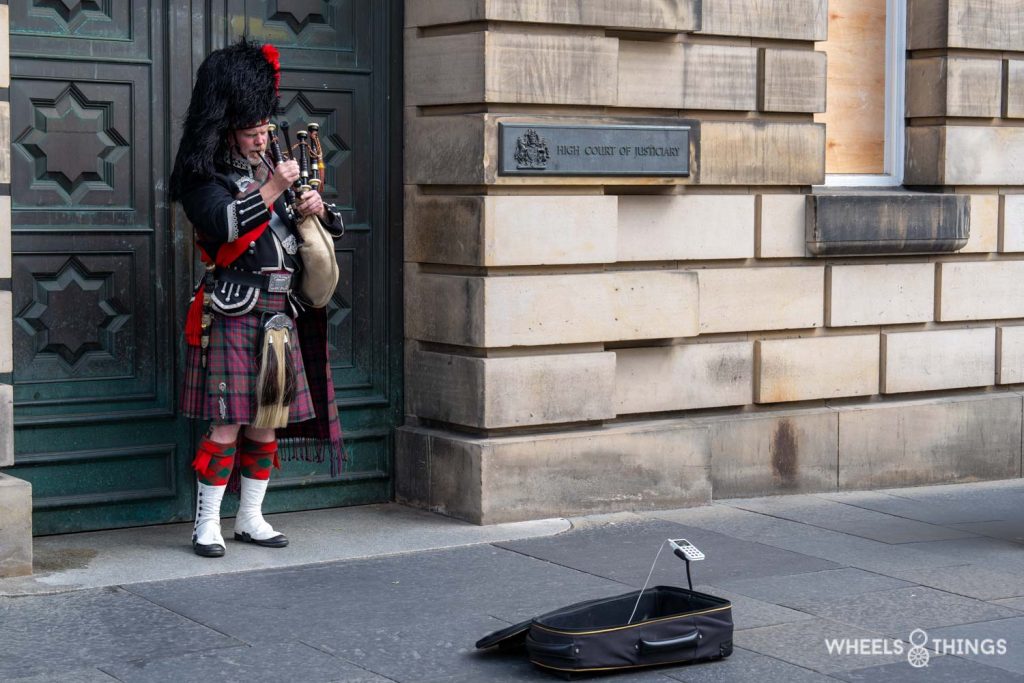
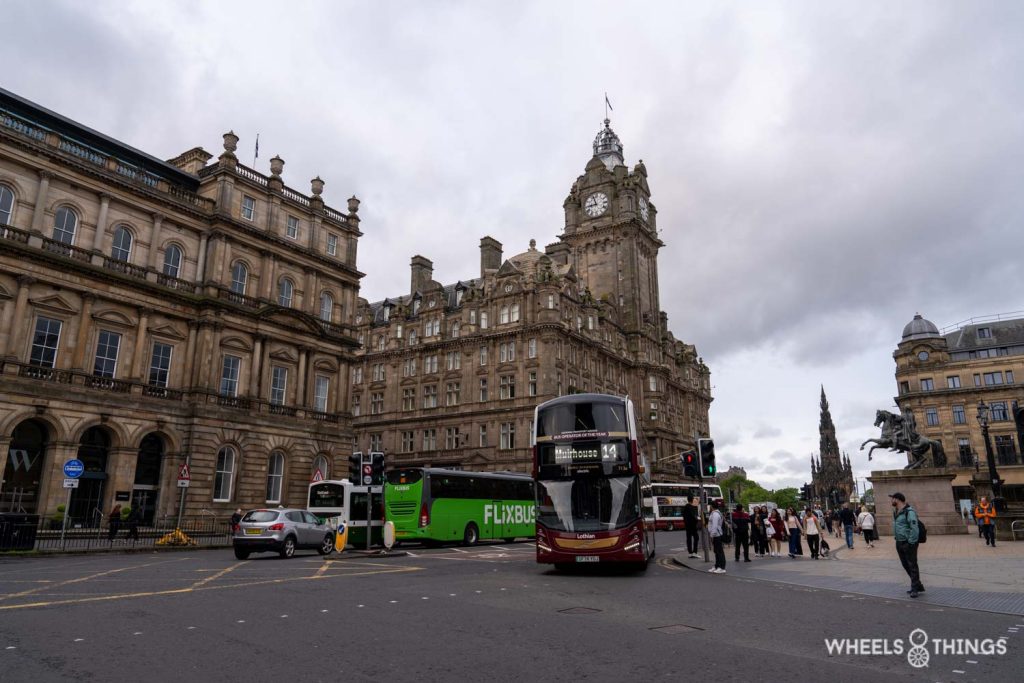
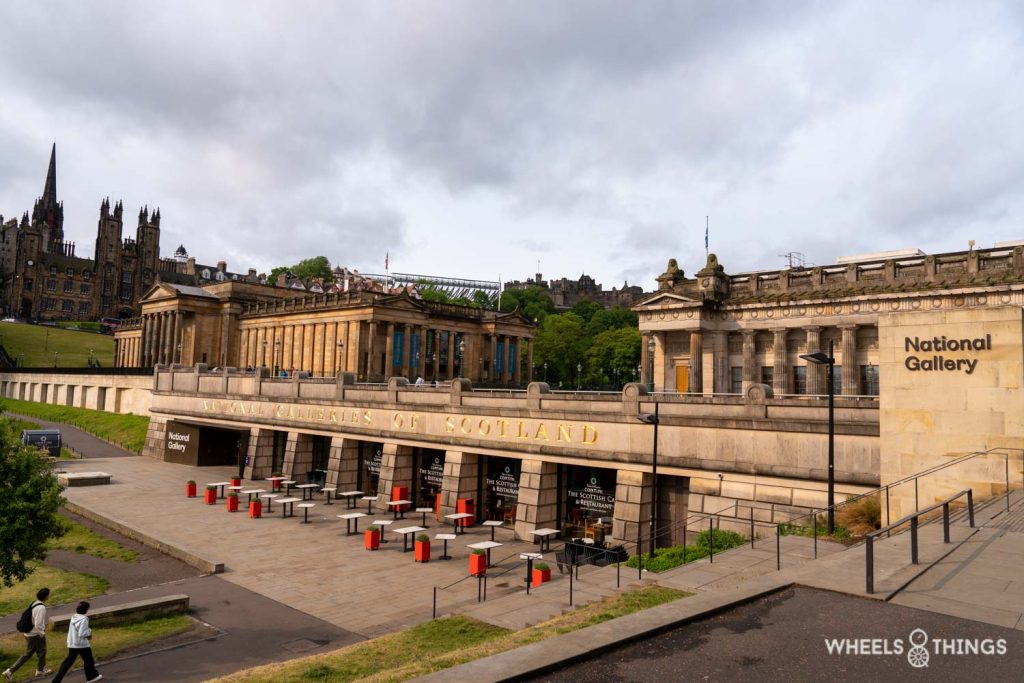
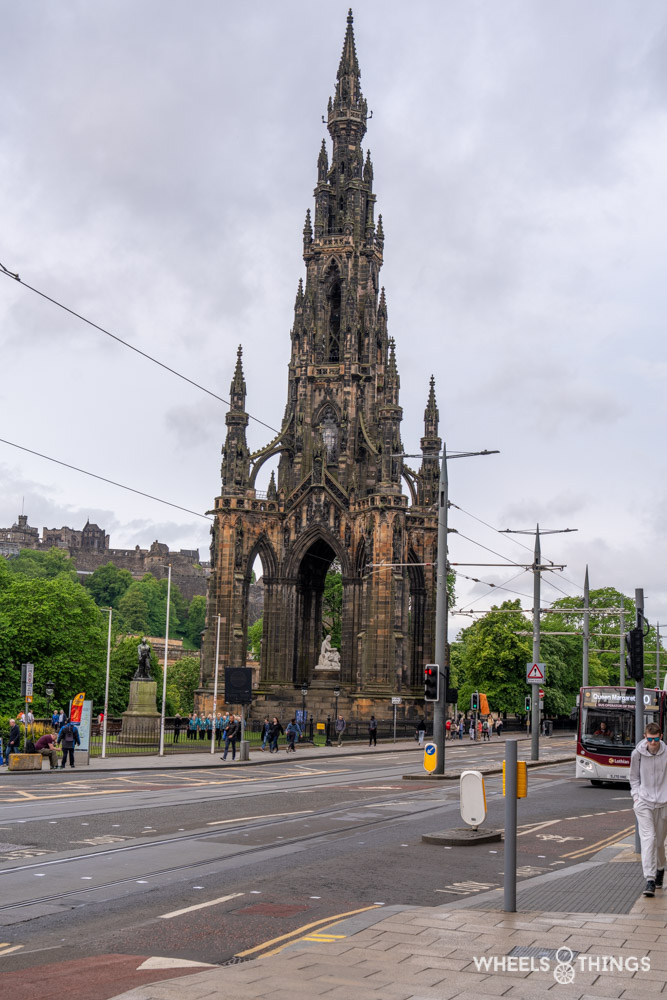
Edinburgh is a large city with approximately 520,000 inhabitants and has been the capital of Scotland since 1437. Above, we see one of the many street musicians, whose modernisation is evident from his payment box. So saying you don’t have any change is no longer an excuse.
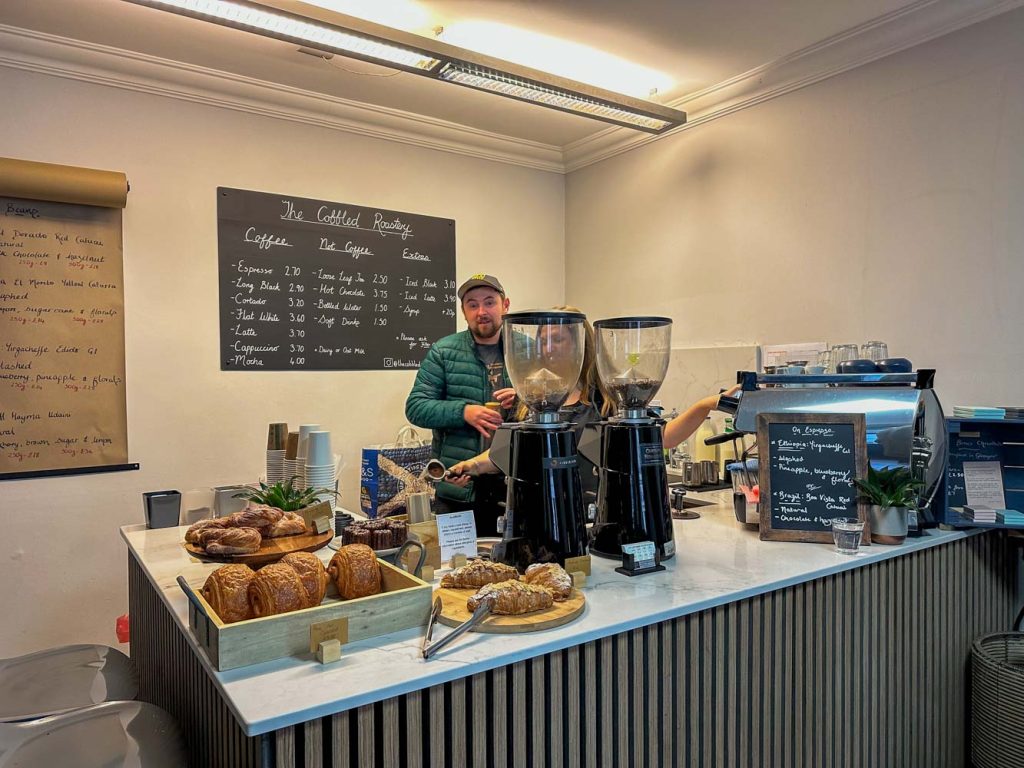
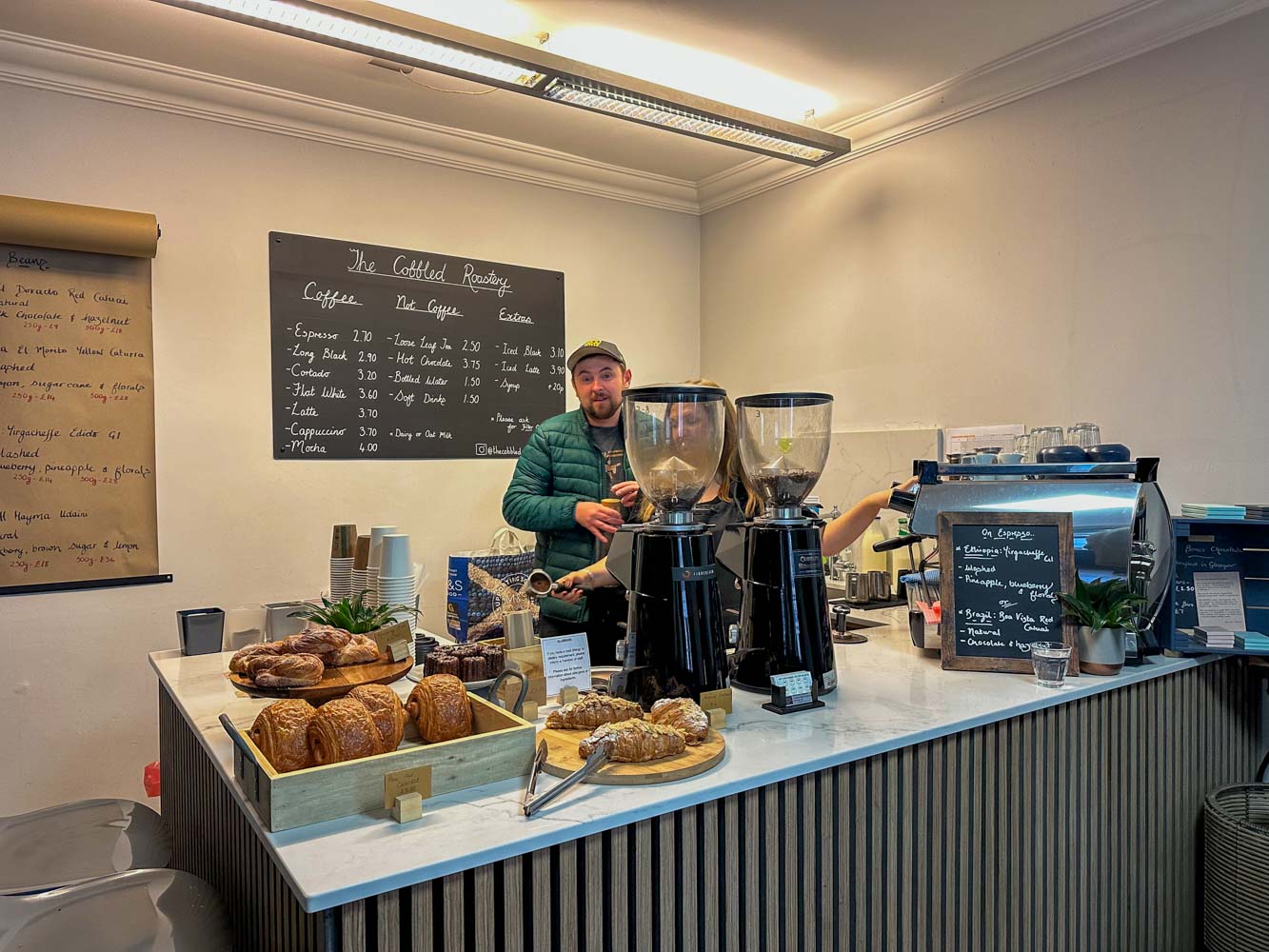
The great thing about big cities is that you always come across several coffee bars. We discovered “The Cobbled Roastery” in the New Town district. A passionate couple who roast their own coffee and where you can also sit down to enjoy your coffee and delicious pastries. Highly recommended!
Newcastle upon Tyne
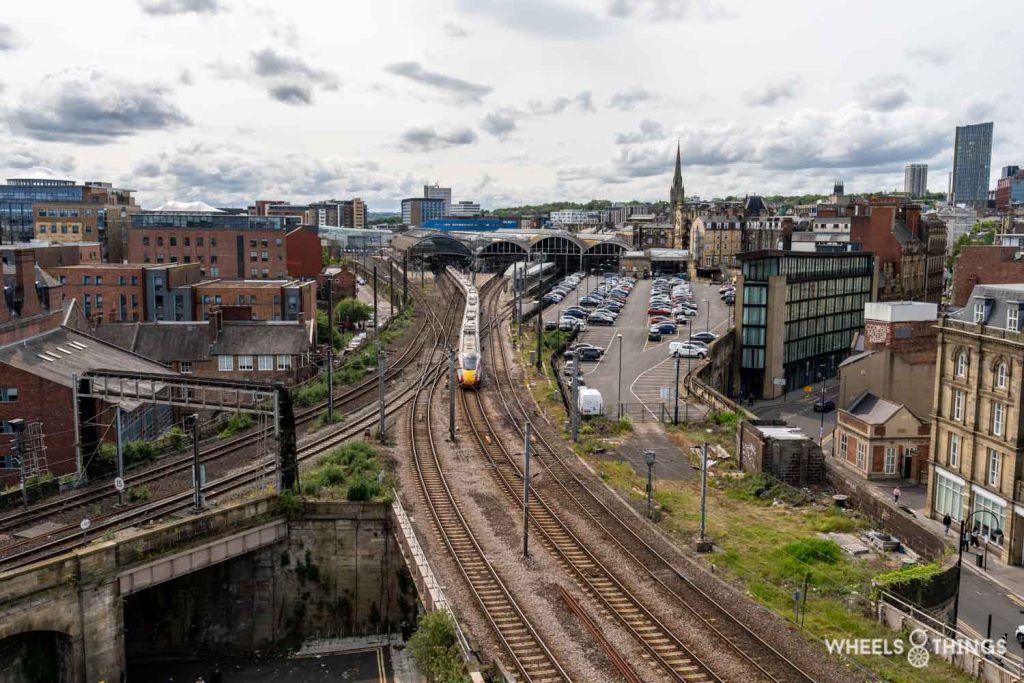
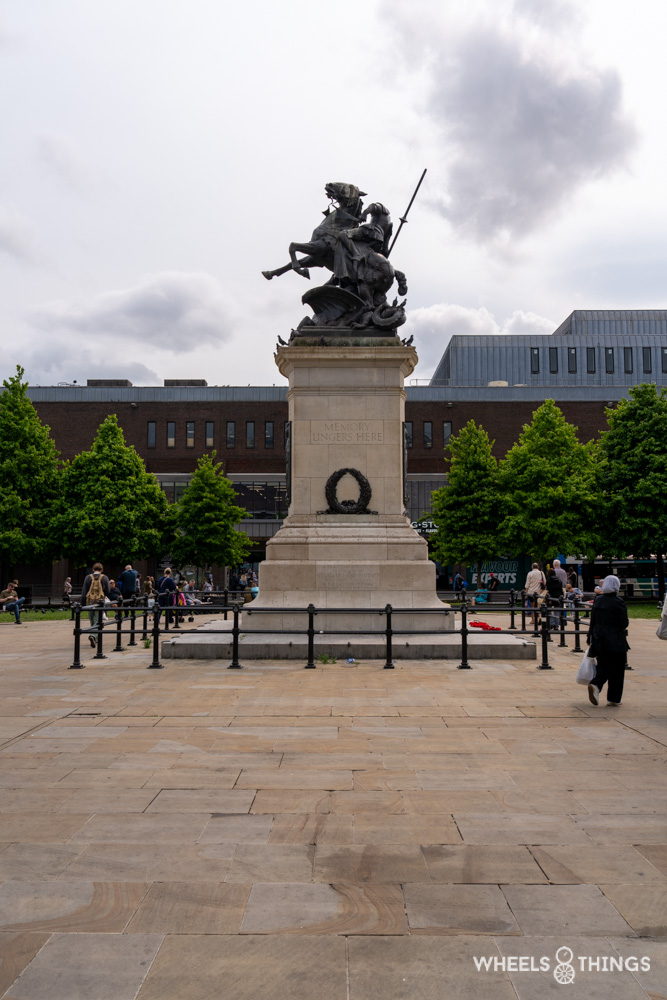
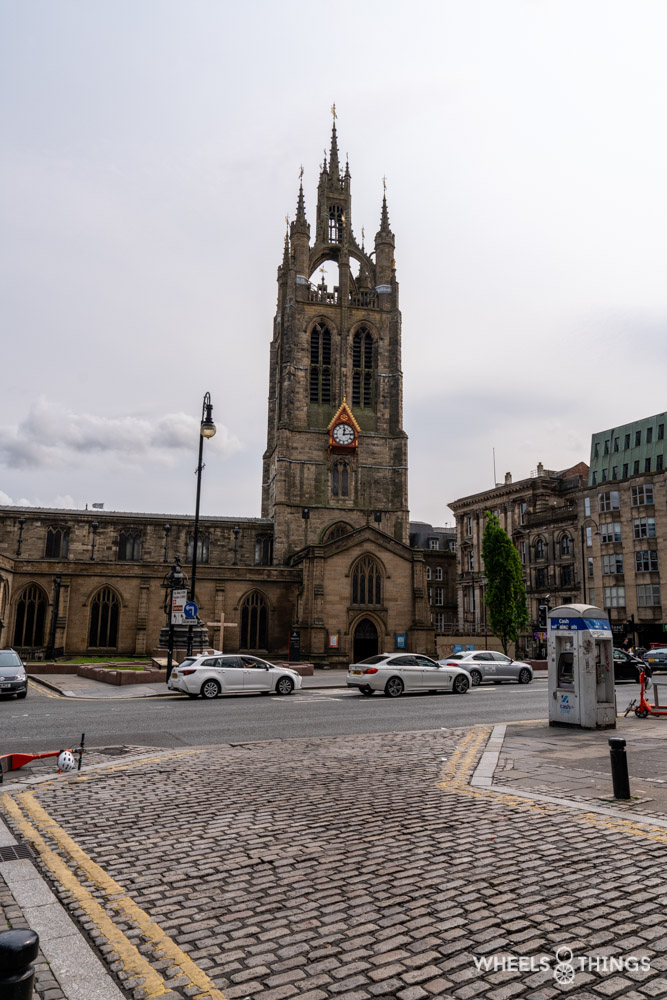
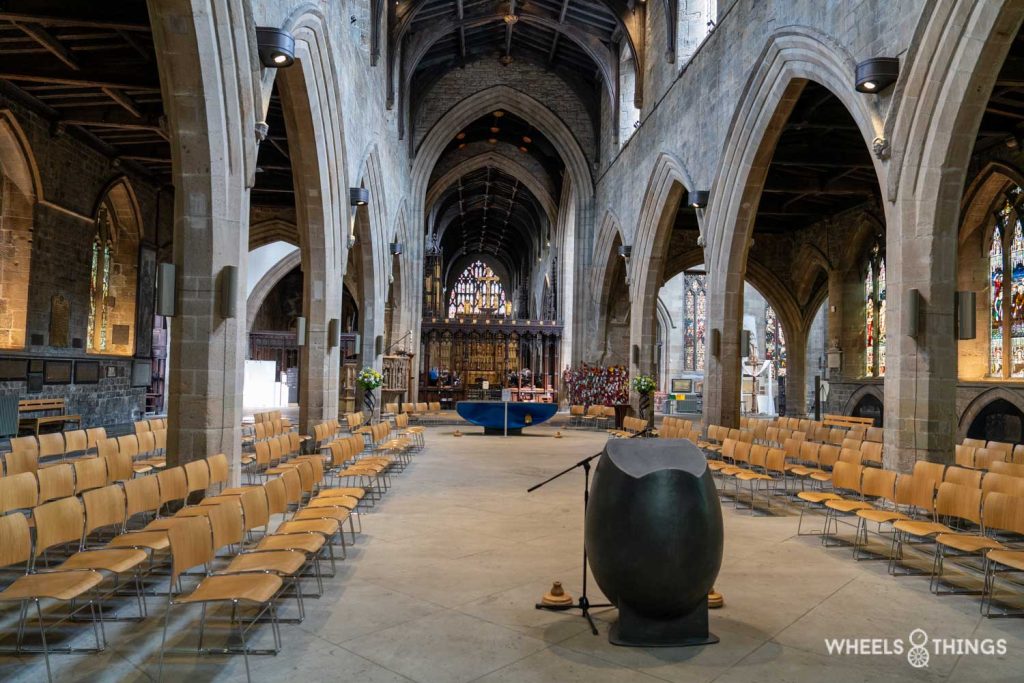
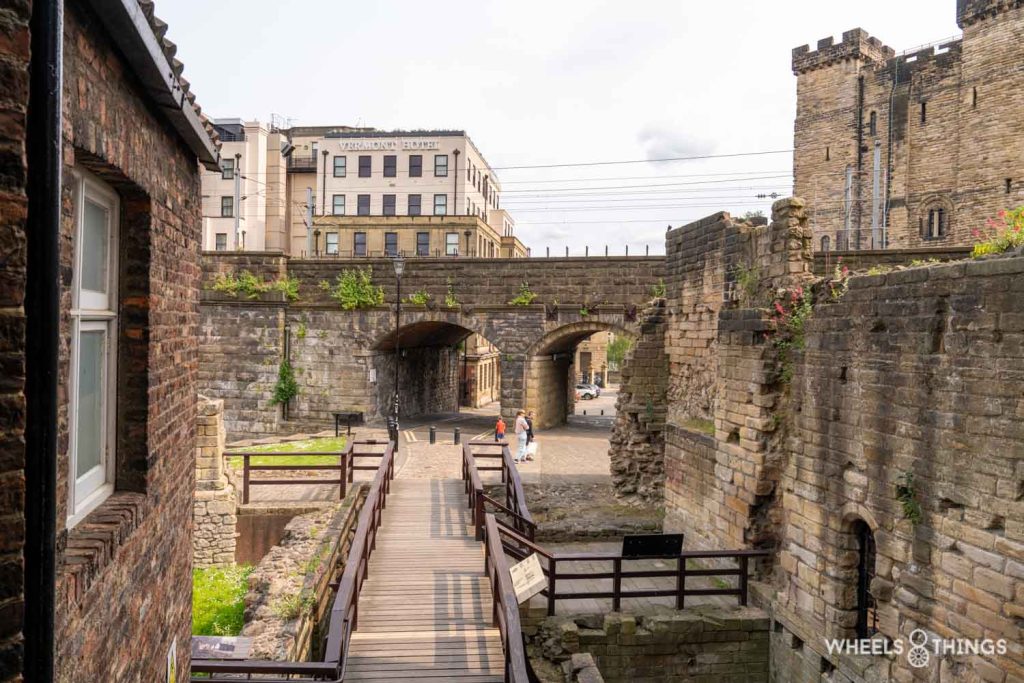
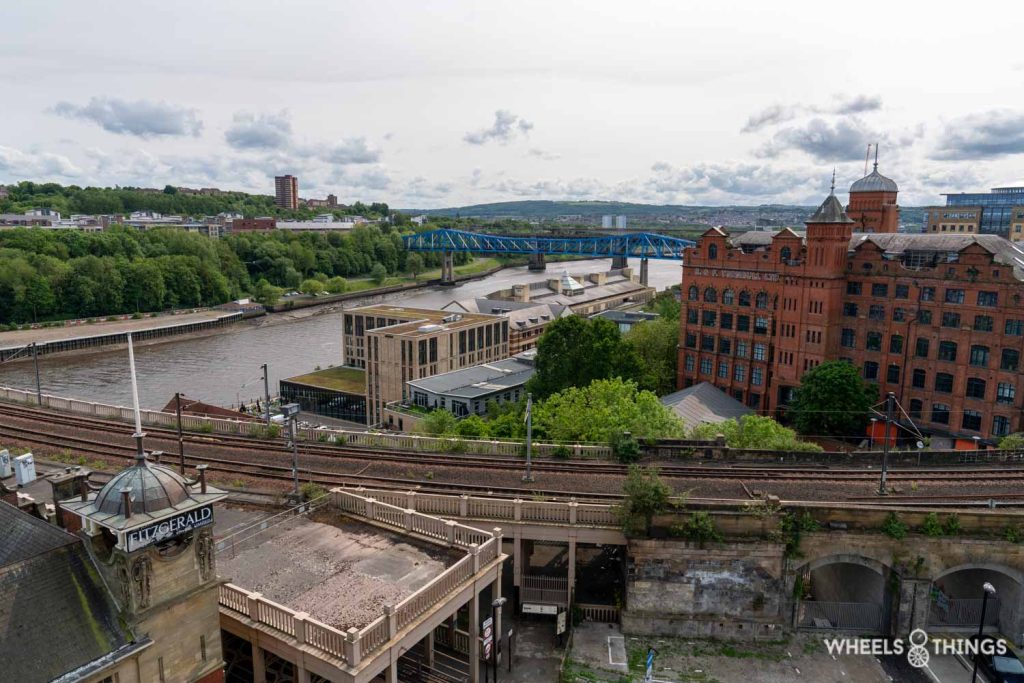
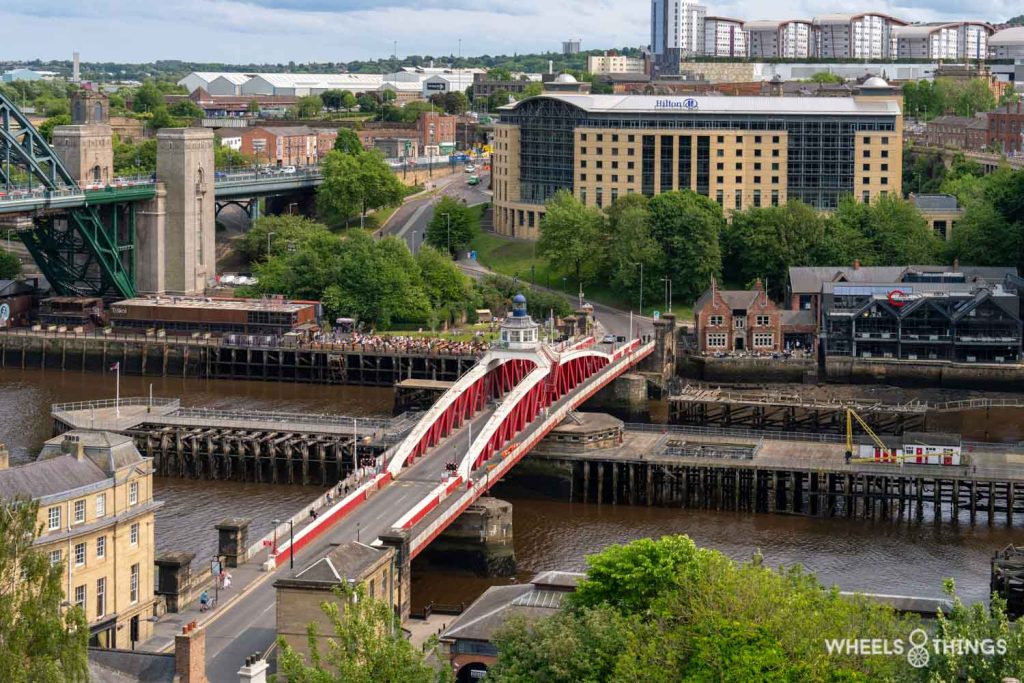
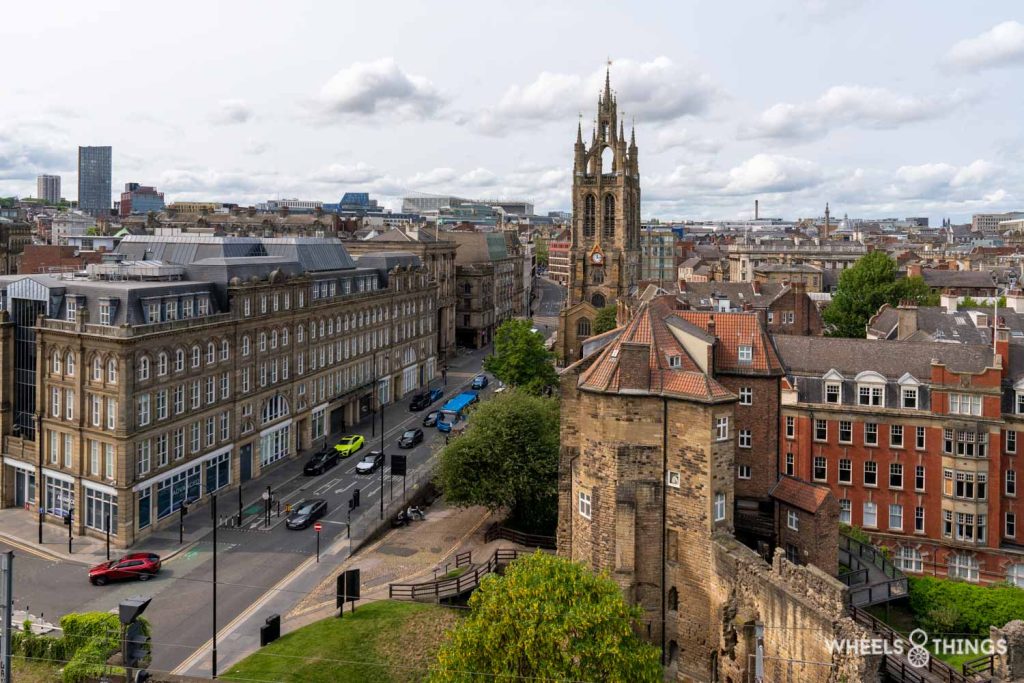
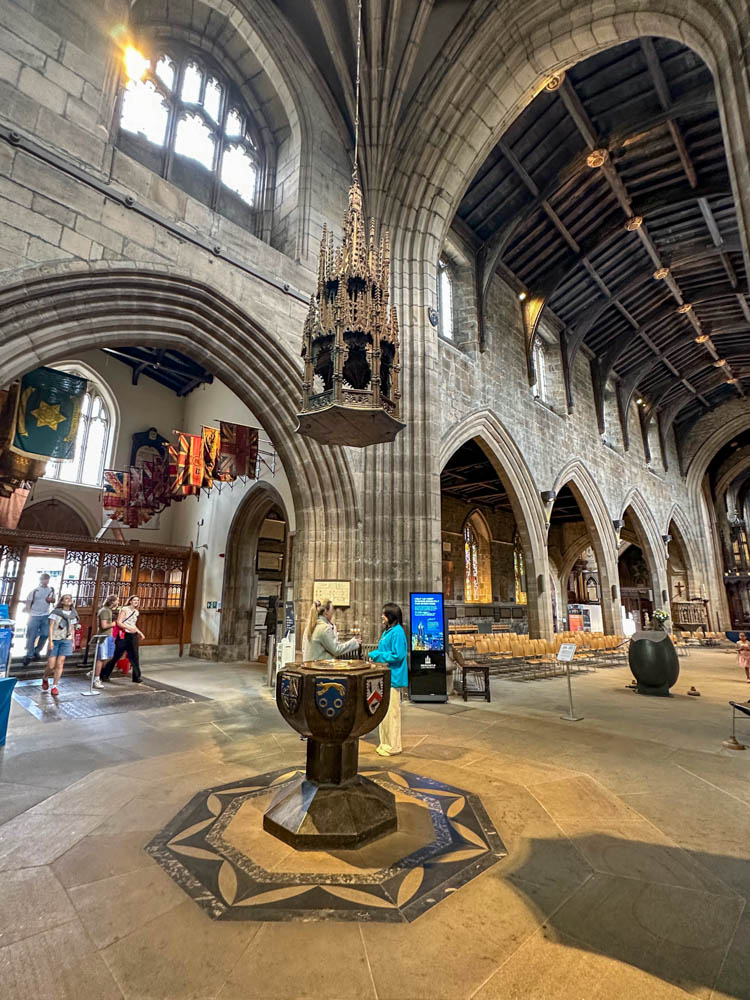
Located along the Tyne, Newcastle is a city with many attractions. We visited the cathedral and the castle, from which you have this view of the city.
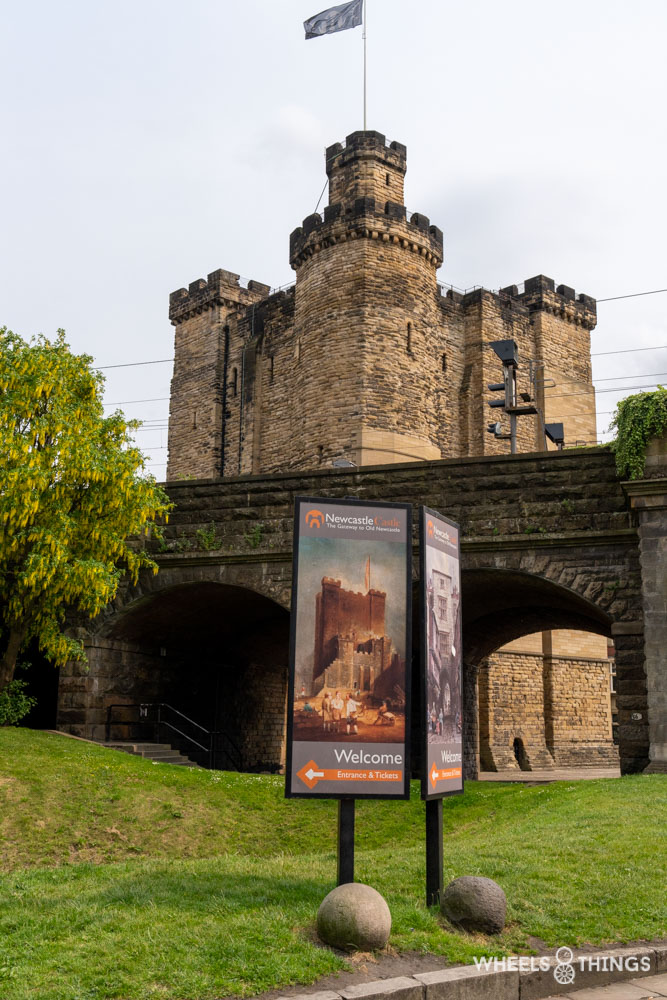
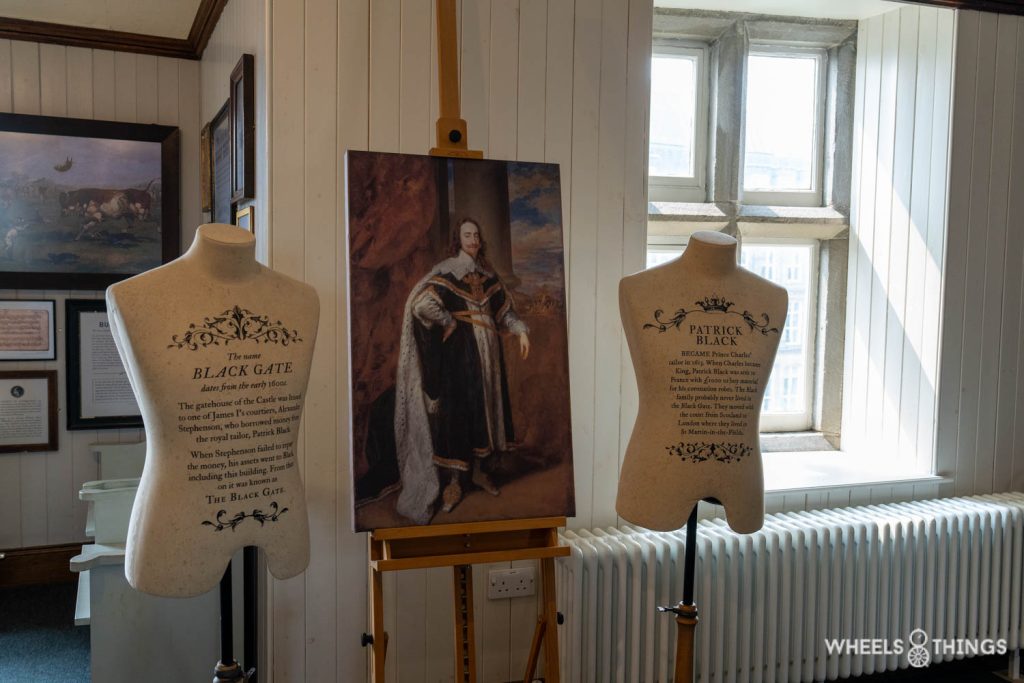
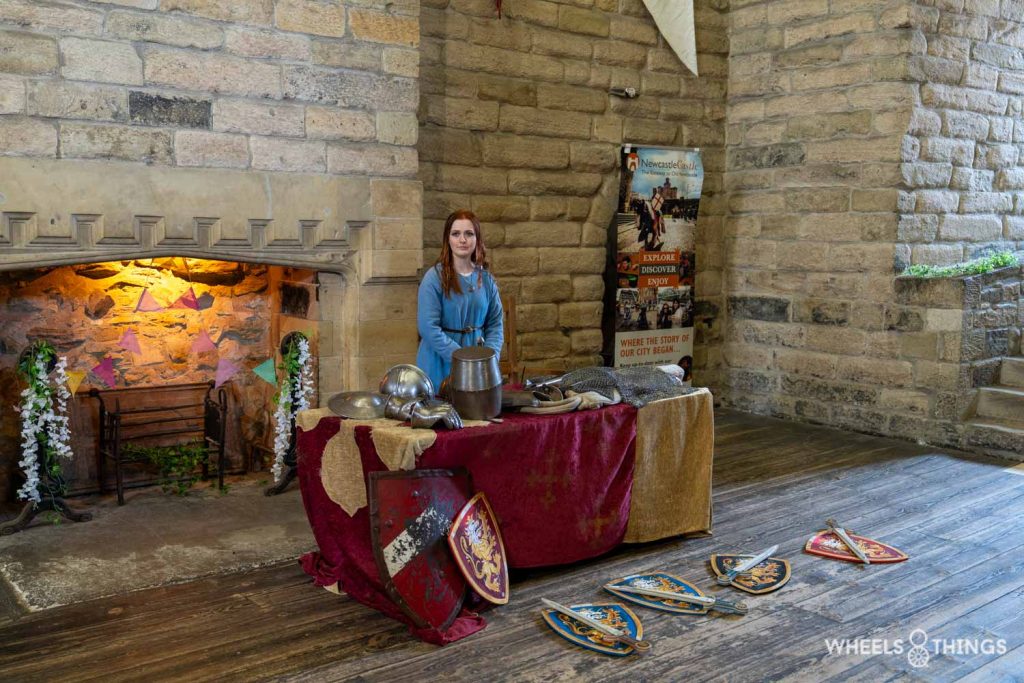
Above, we see the Keep tower, which, together with the Black Gate and two other remnants, are all that remain of the castle built between 1247 and 1250. During this period, it was rebuilt from a motte-and-bailey castle (made of wood) into a stone castle by Henry II of England.
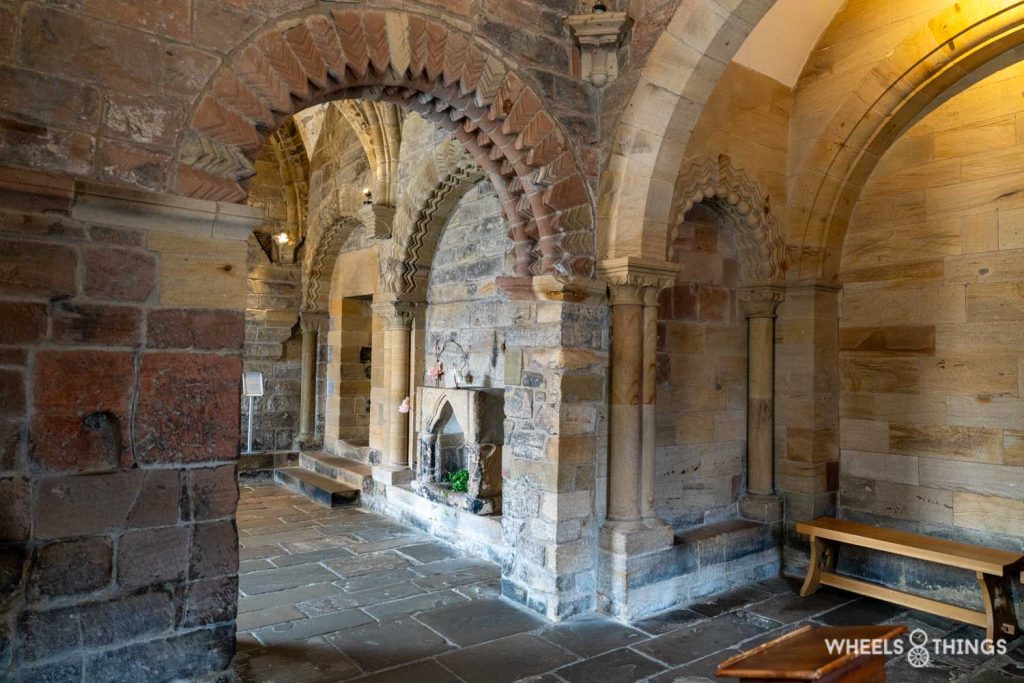
Some people may find this type of building more interesting than others, but we try to visit a few places of interest here and there during our road trips.
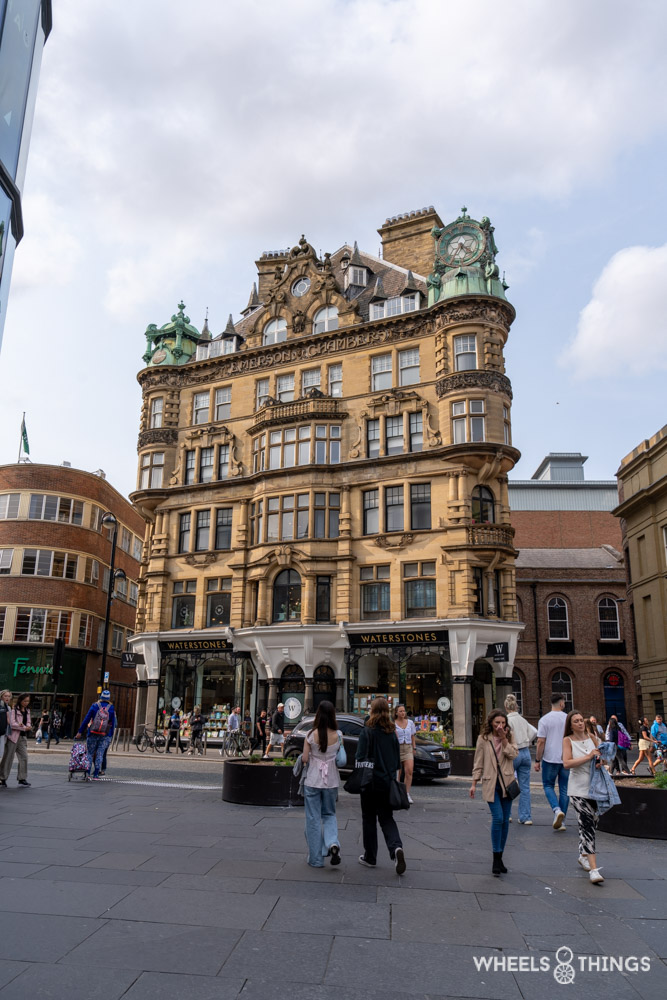
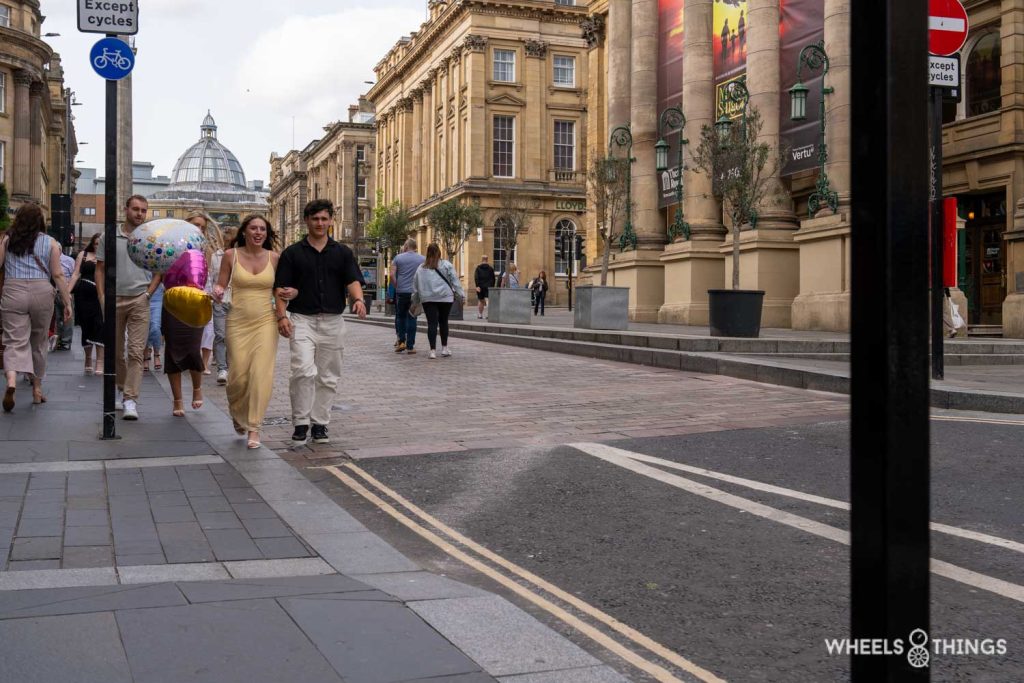
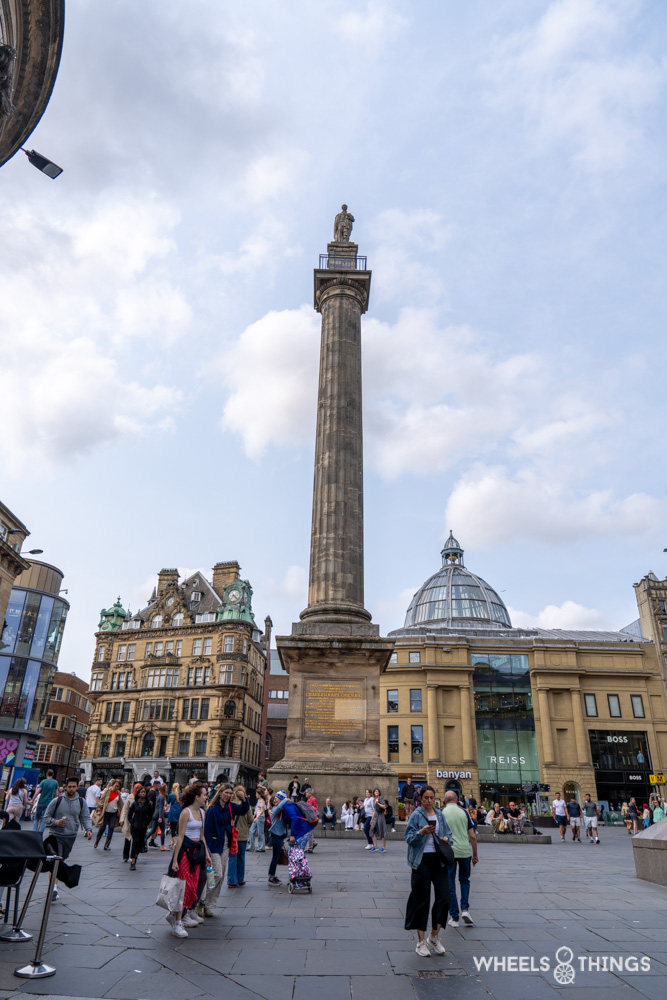
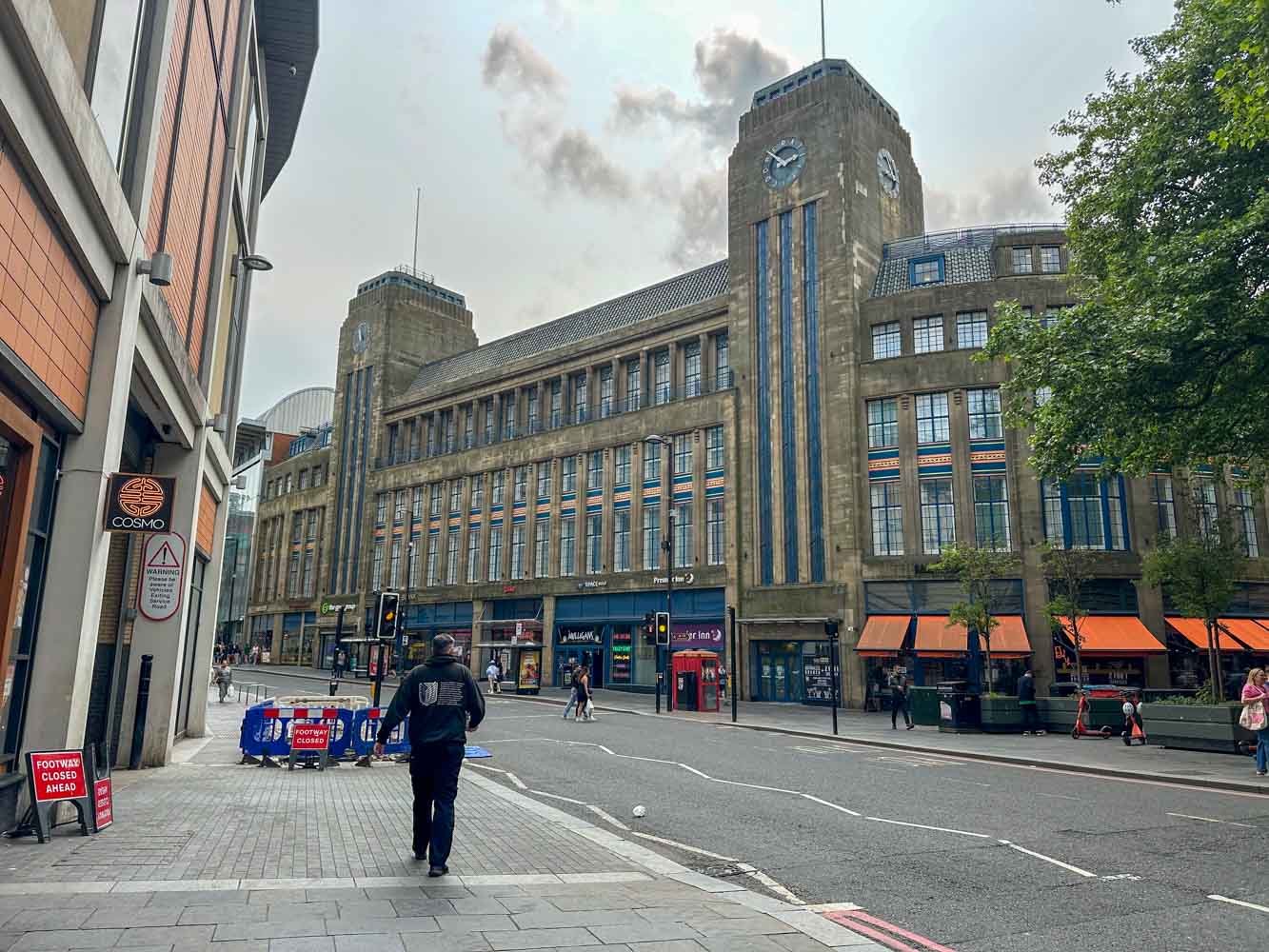
The city is also full of beautiful and interesting buildings. Above, you can see the Emerson Chambers building. It was built in 1903 on Blackett Street as a high-end restaurant complete with its own orchestra and shopping area. Newcastle upon Tyne is definitely an interesting city to visit.
York
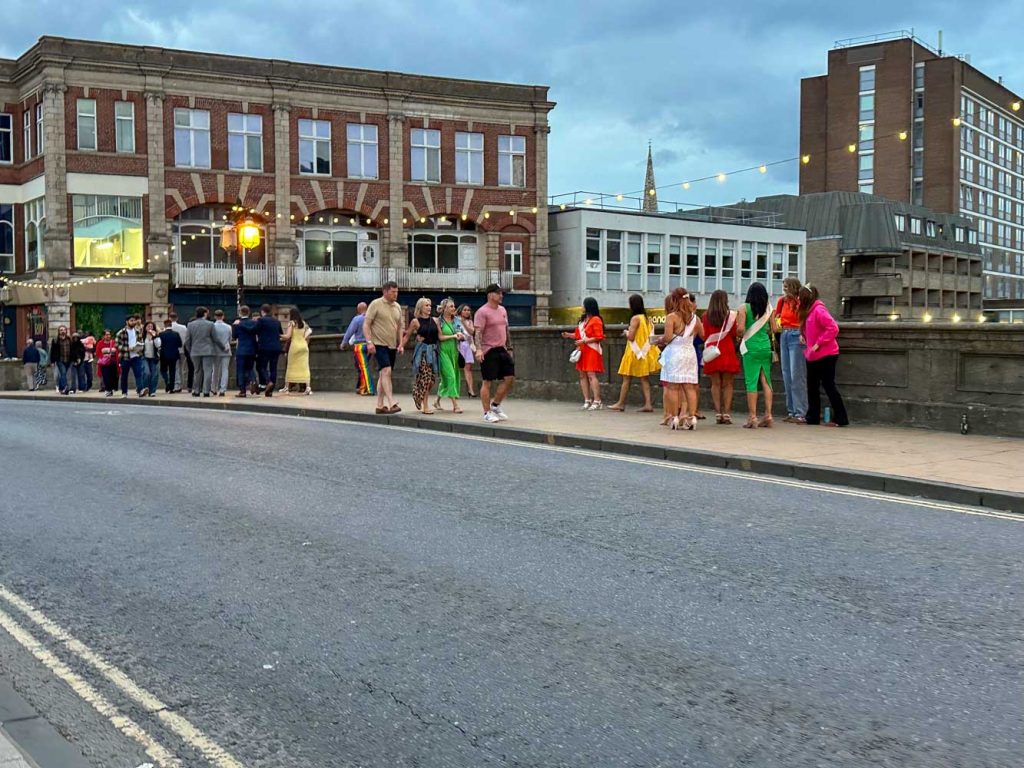
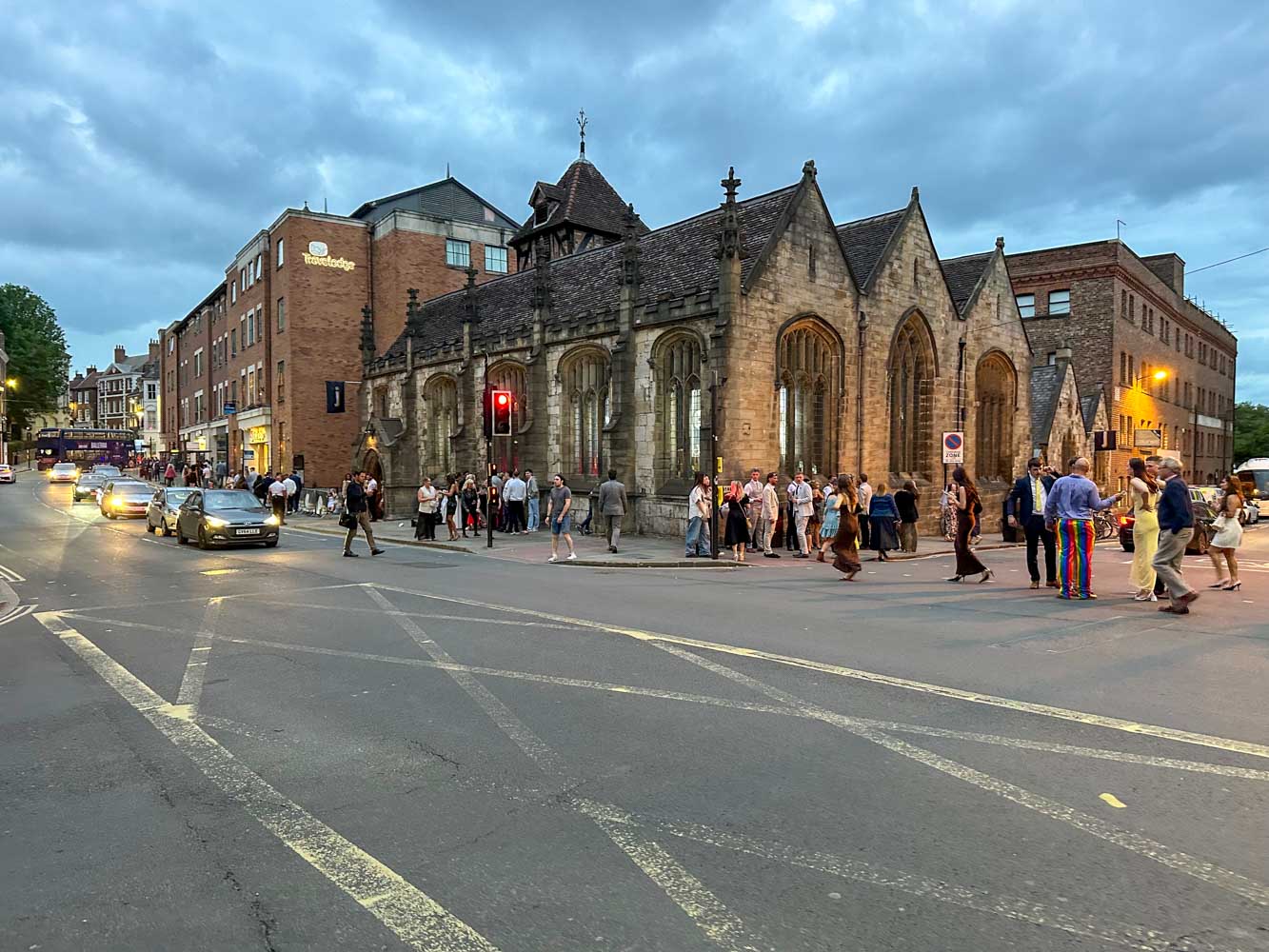
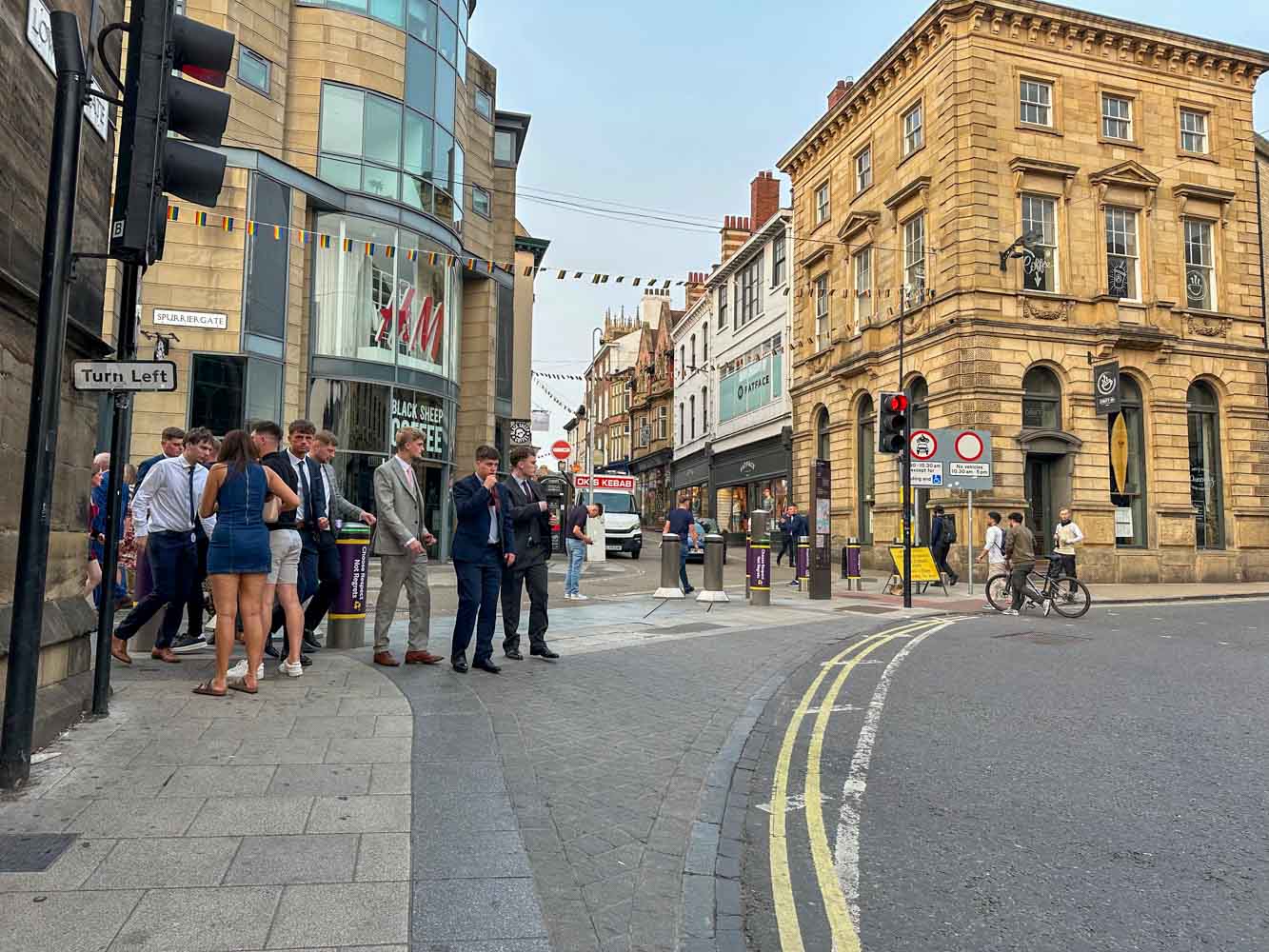
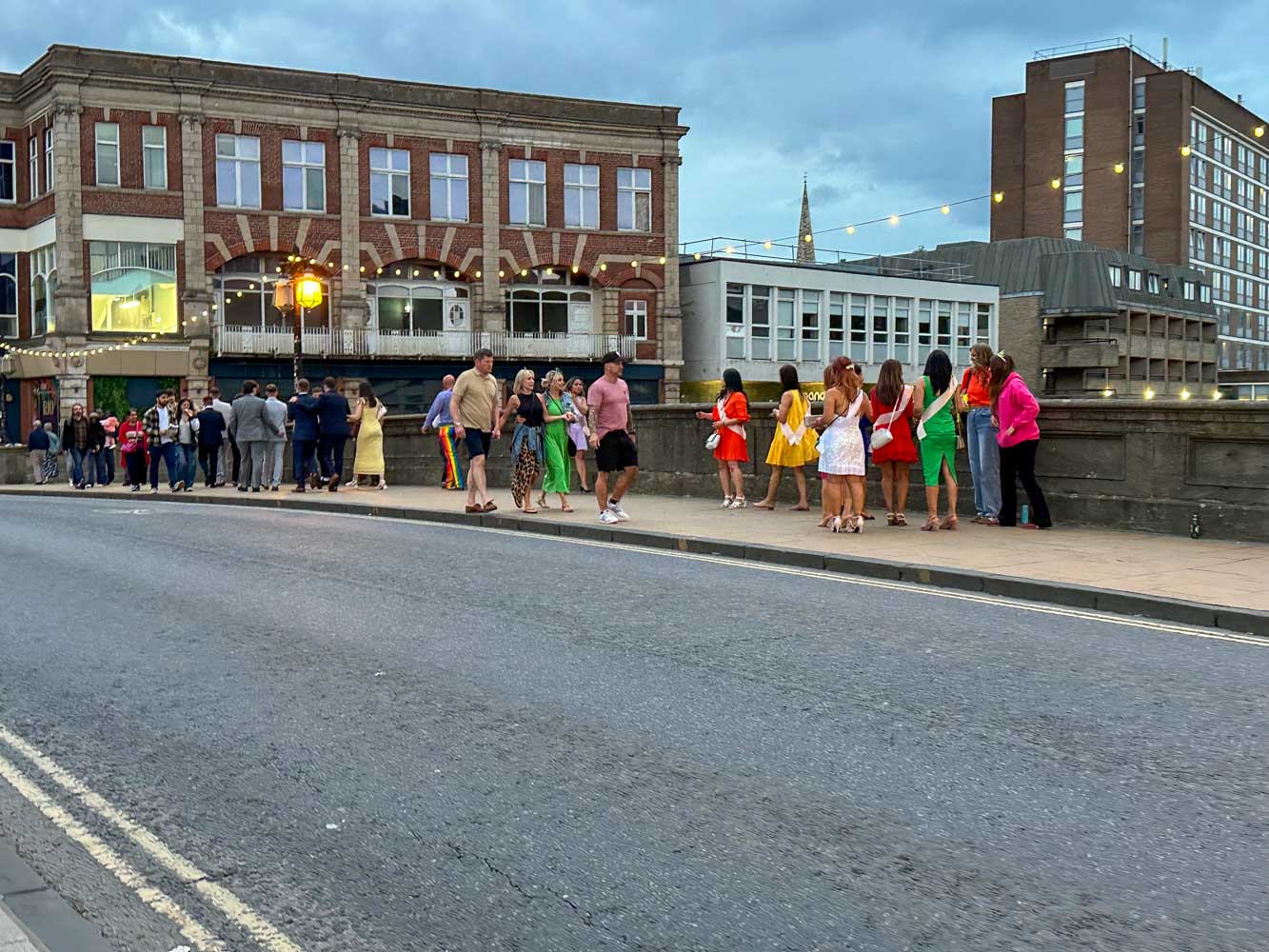
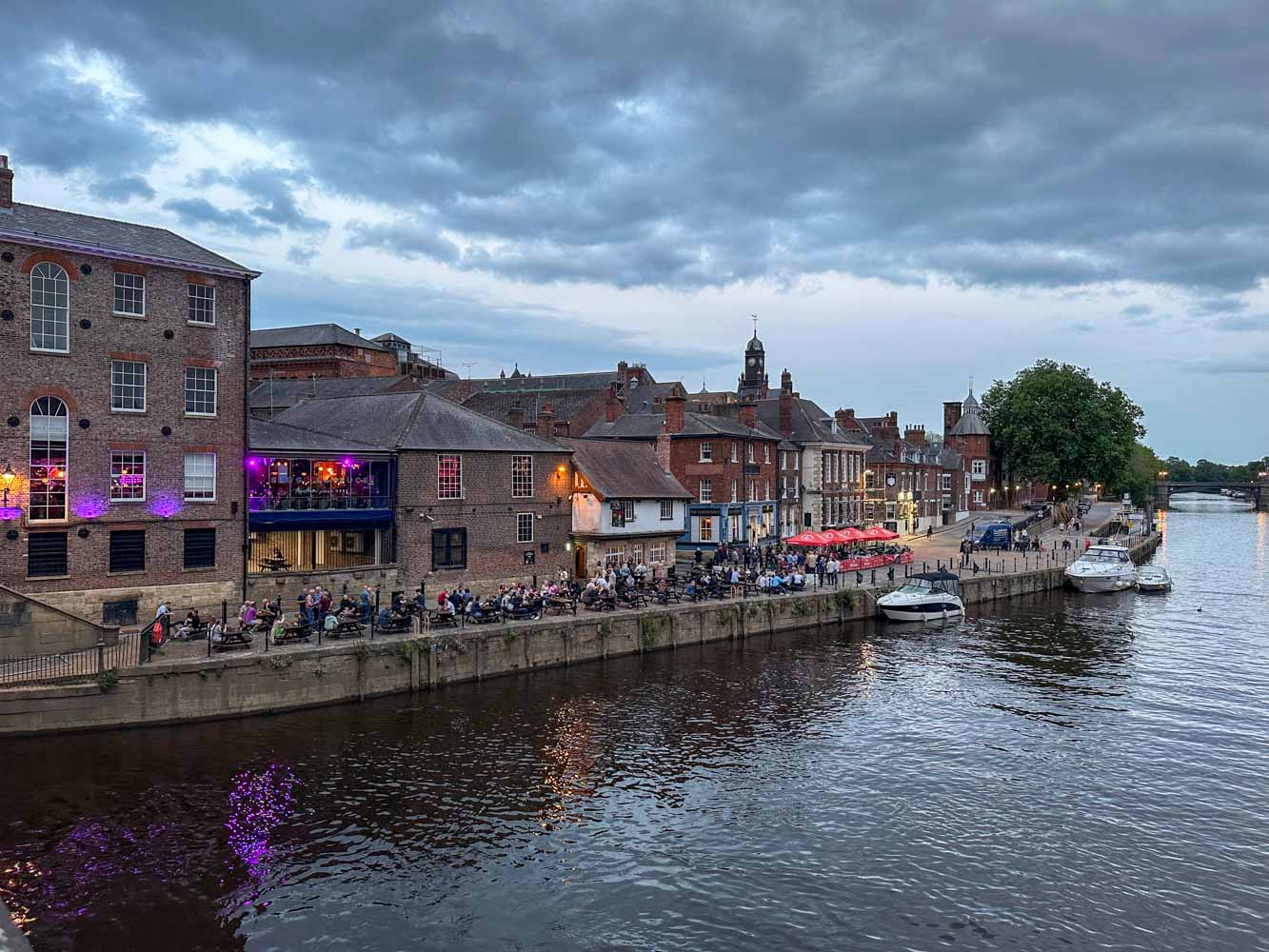
York was perhaps the most remarkable city of our entire trip. We arrived here on Saturday evening and the whole city was in a party mood. Everywhere you looked, you saw people dressed up, often very exuberant and noisy.
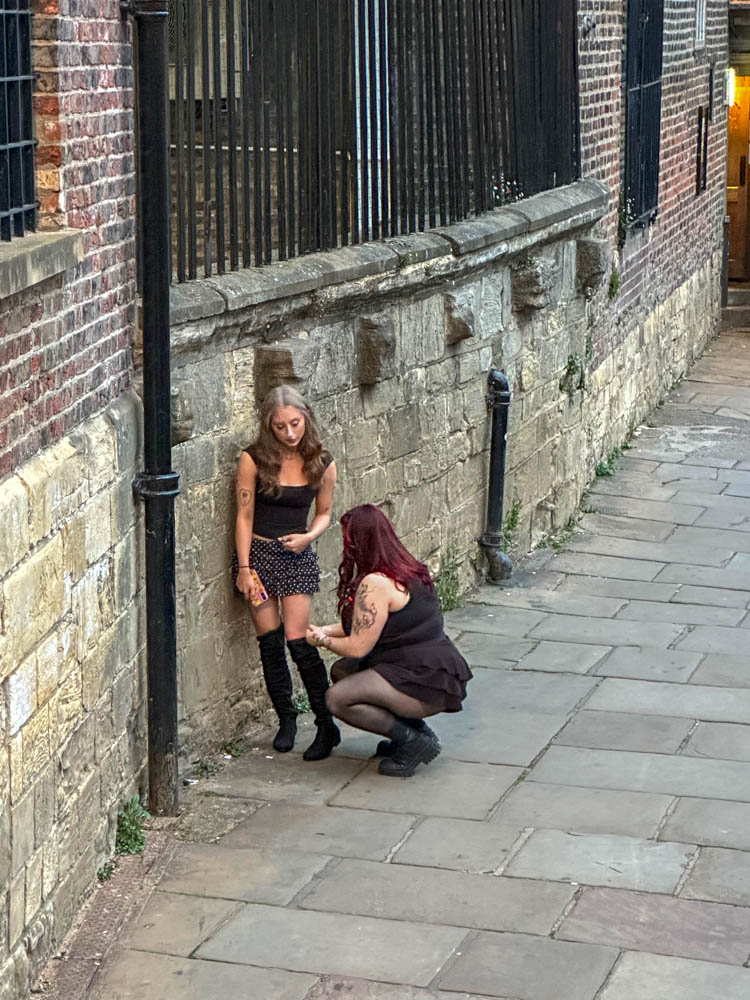
It had been a long time since I had seen so many people drunk on the street. We saw some of them literally stumble over their own feet and then fall flat on their faces.
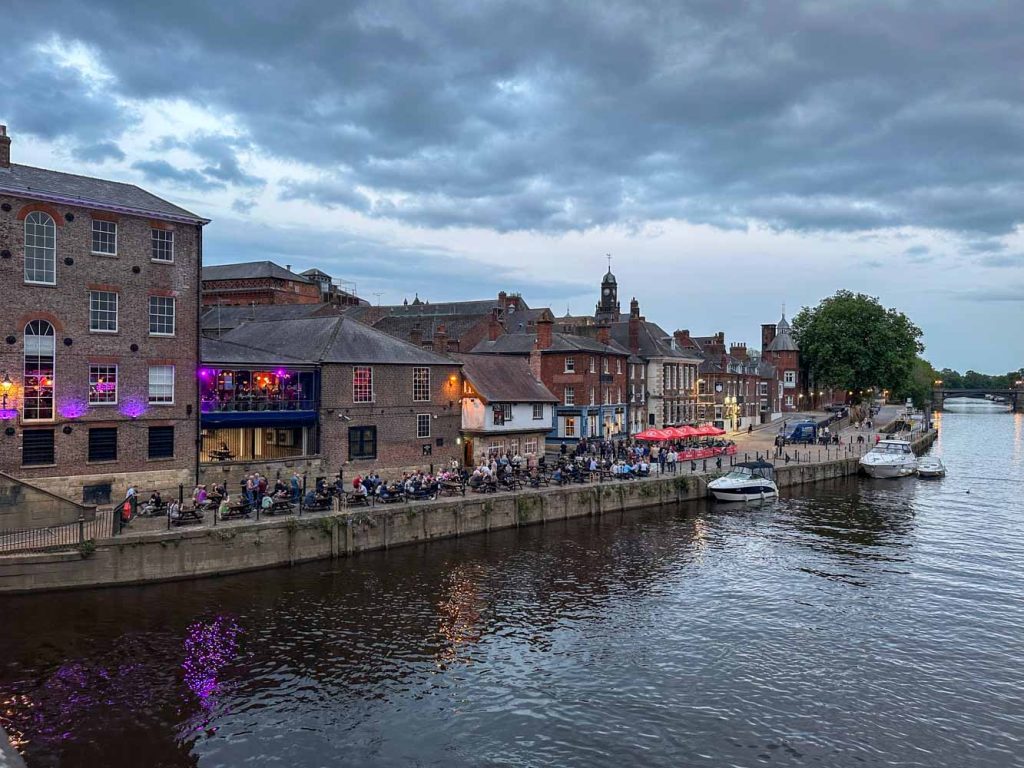
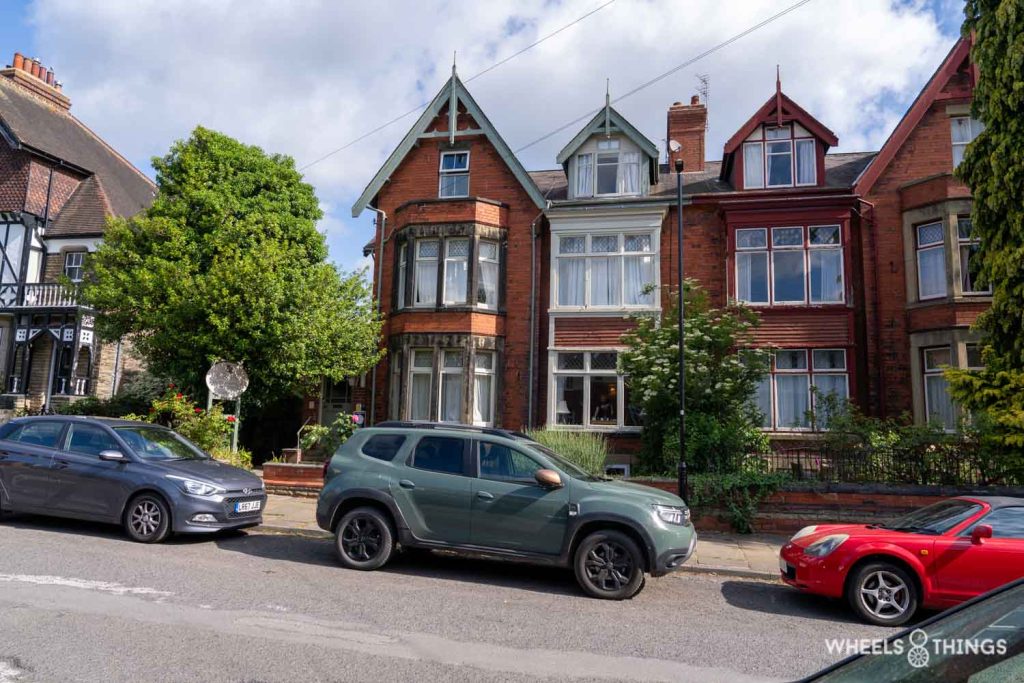
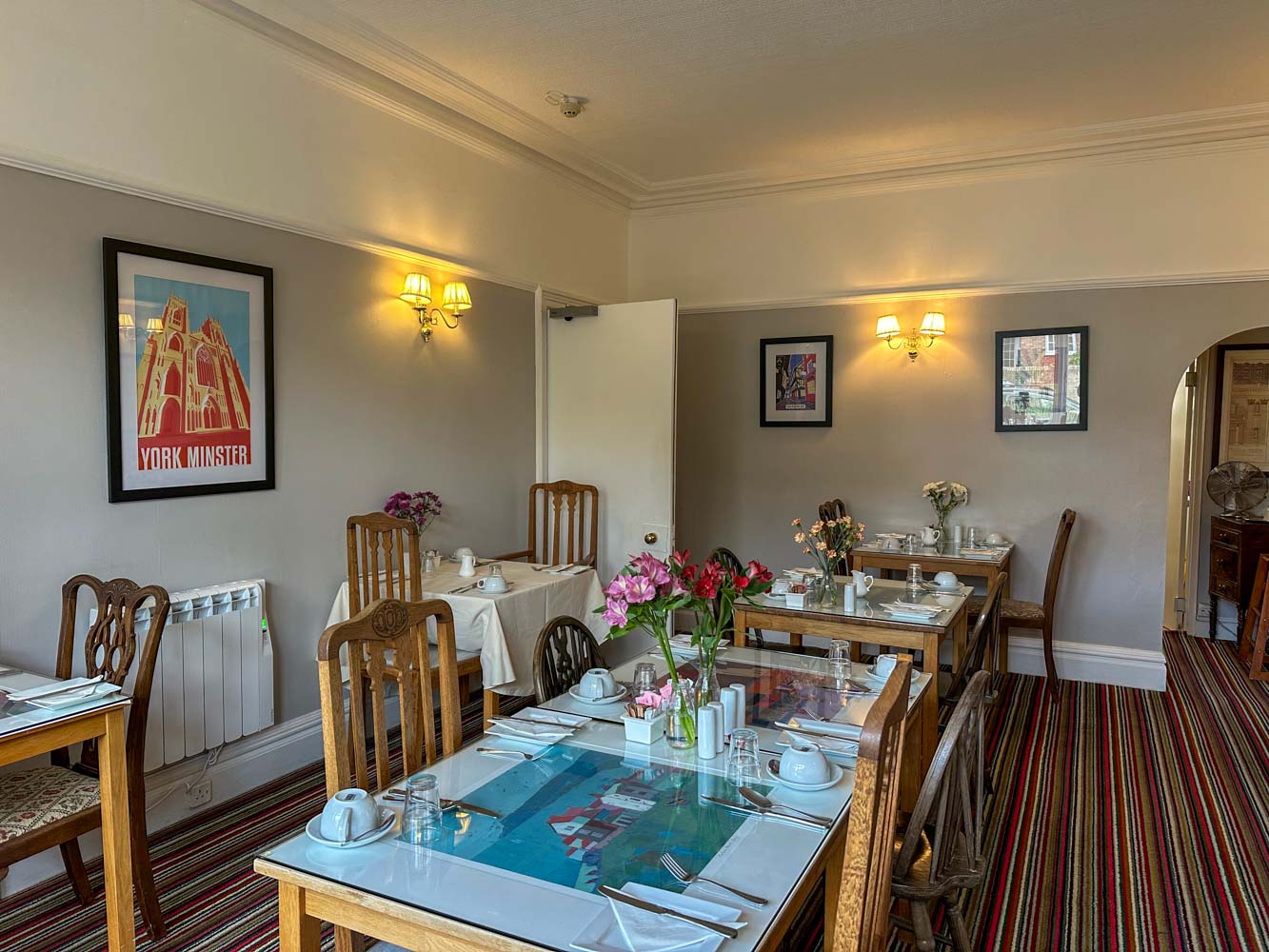
We didn’t stay in York for long. In the evening, we had a nice meal and walked around the city a bit more. We stayed in an excellent guesthouse, which I would highly recommend, but unfortunately it has since closed due to a death in the family.
Day 9: York – De Klinge 744km
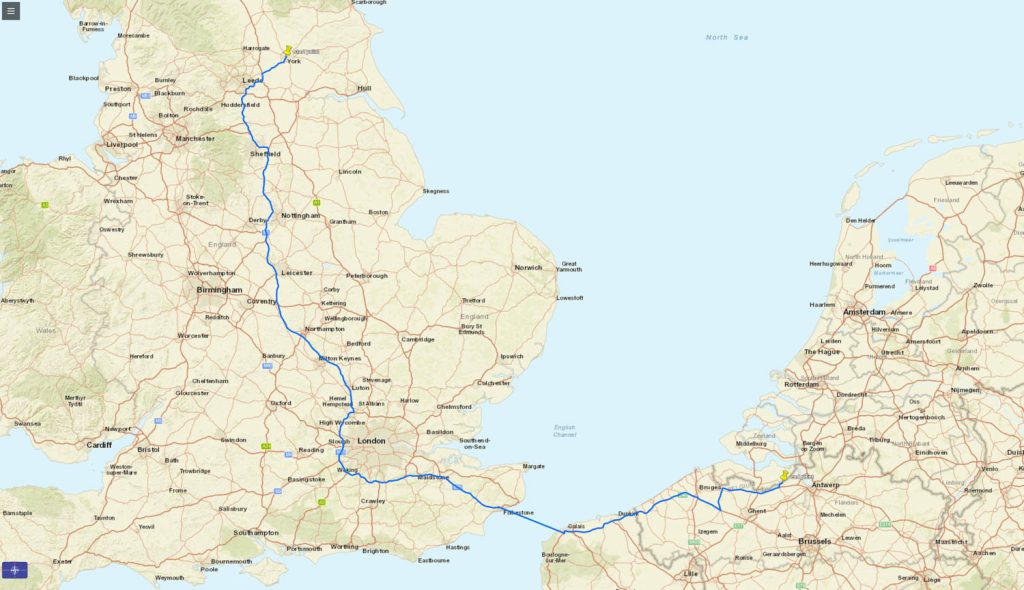
Today we are driving back towards De Klinge. Since there are two of us and we don’t mind driving long distances, we covered these 750 kilometres in one go. Of course, we stopped regularly along the way to stretch our legs and have a coffee.
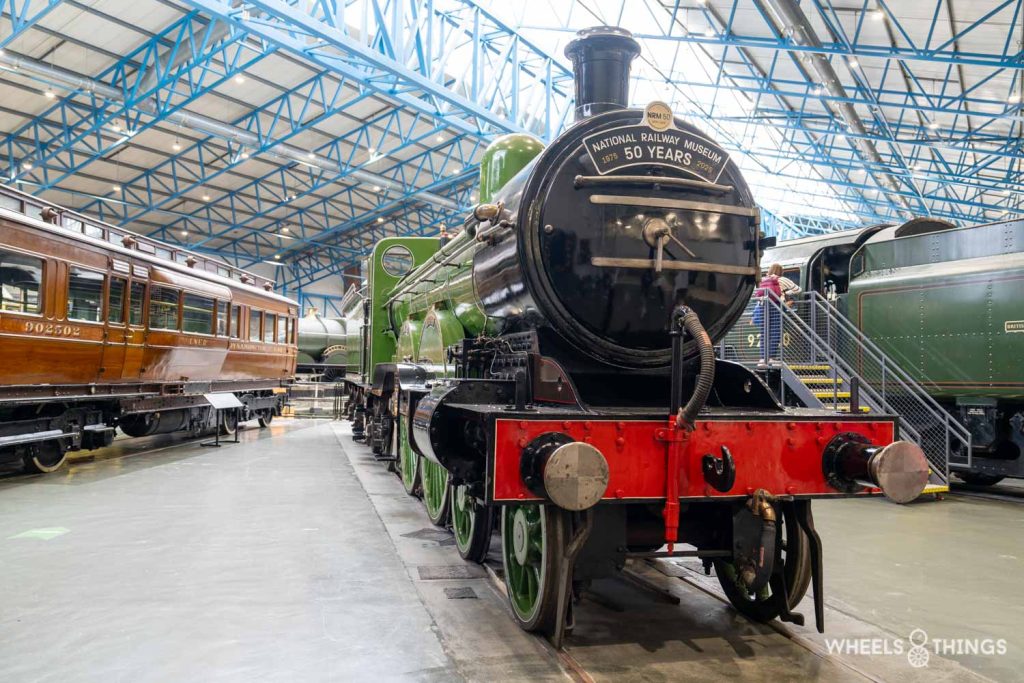
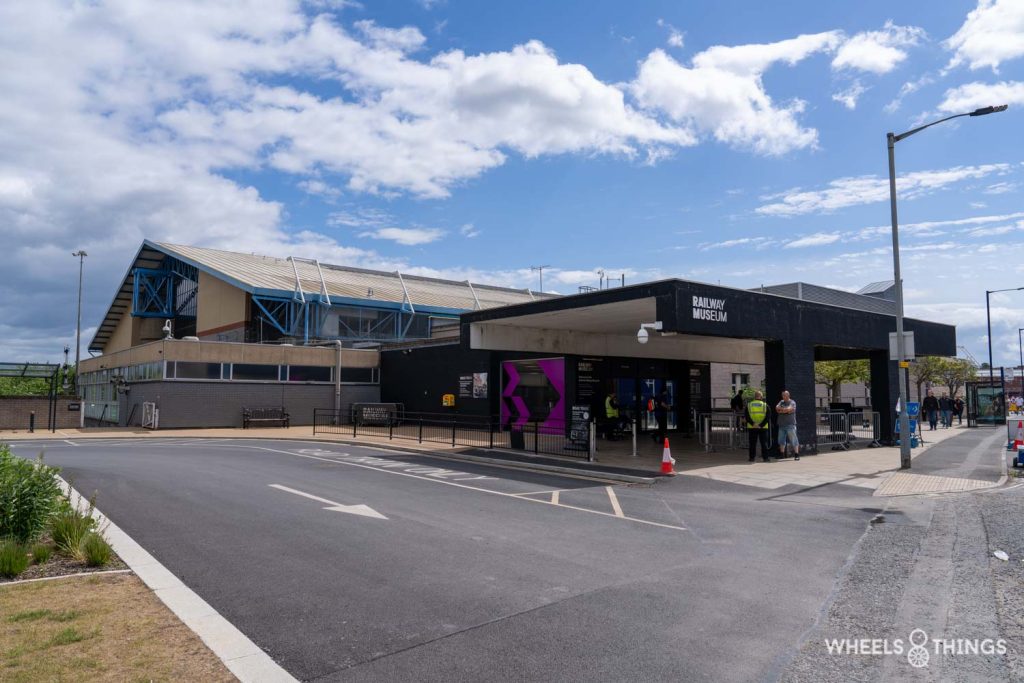
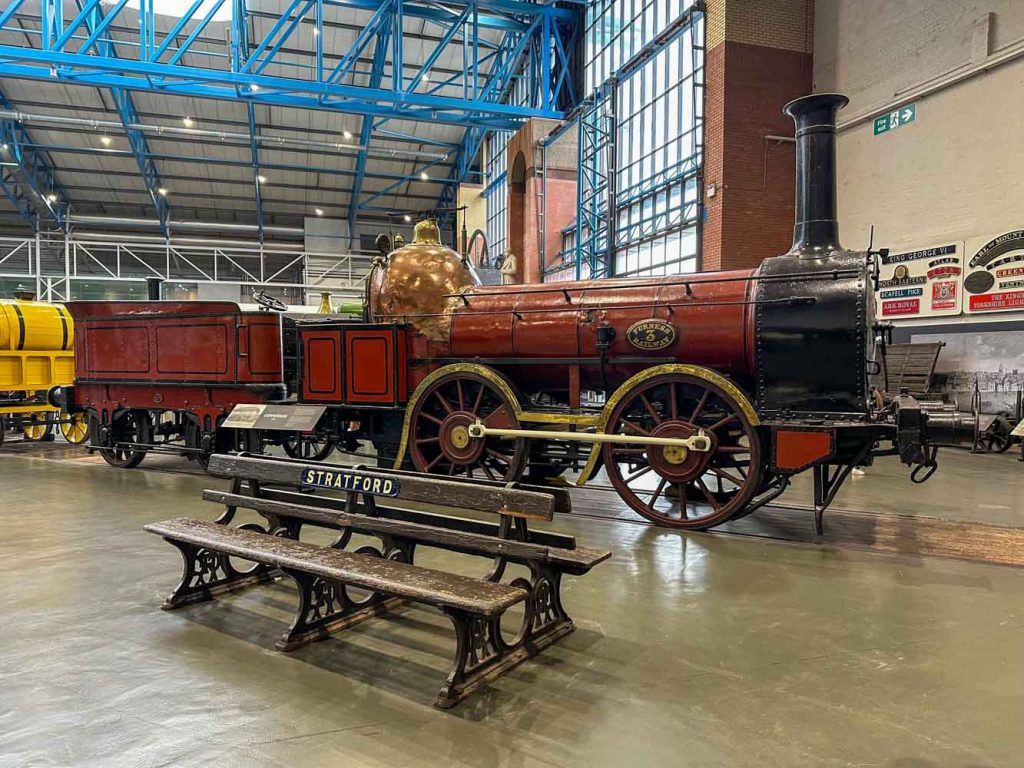
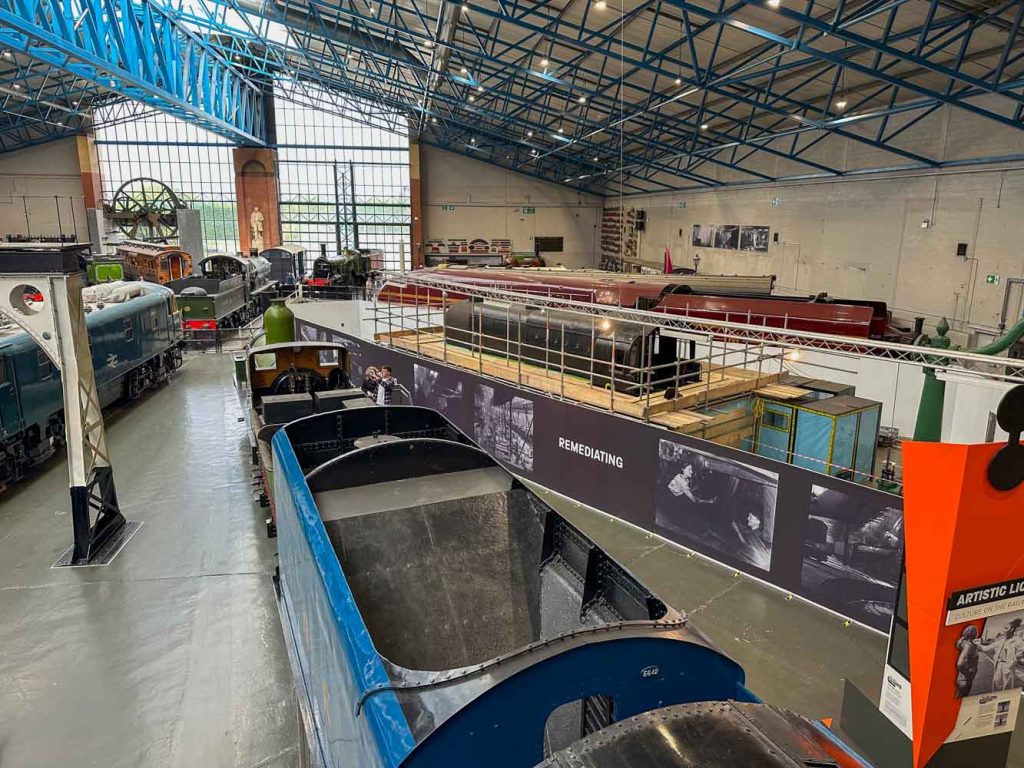
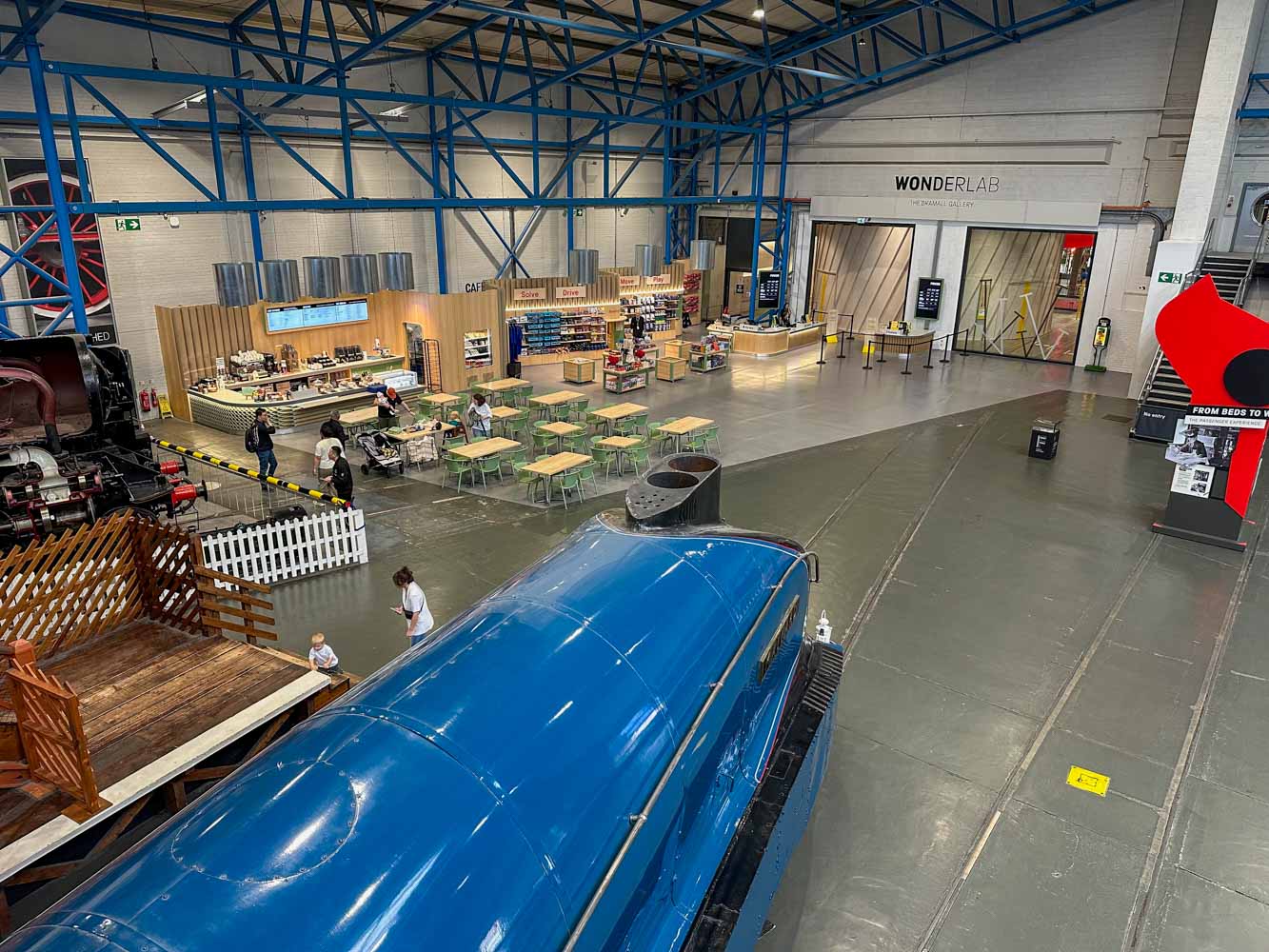
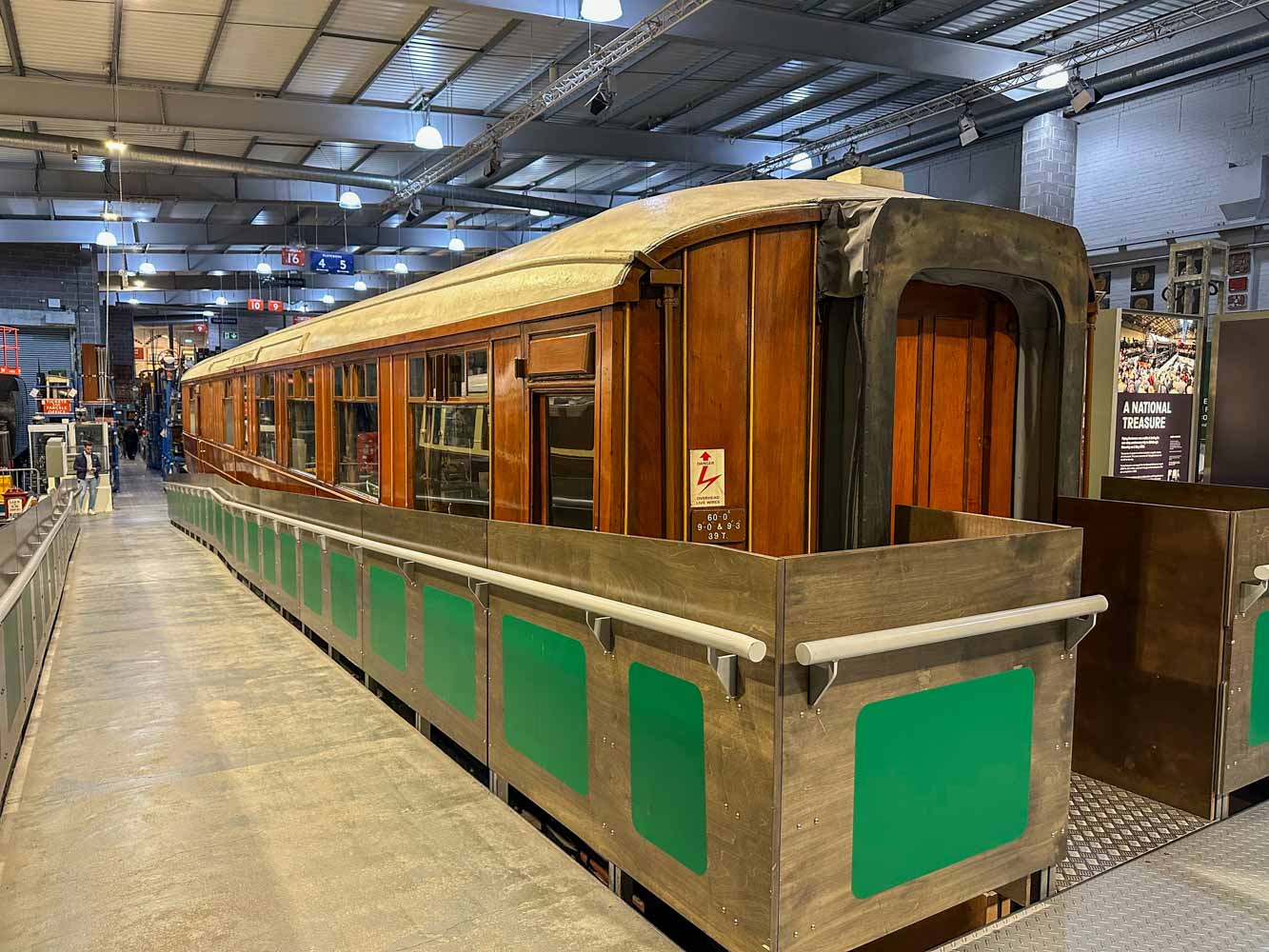
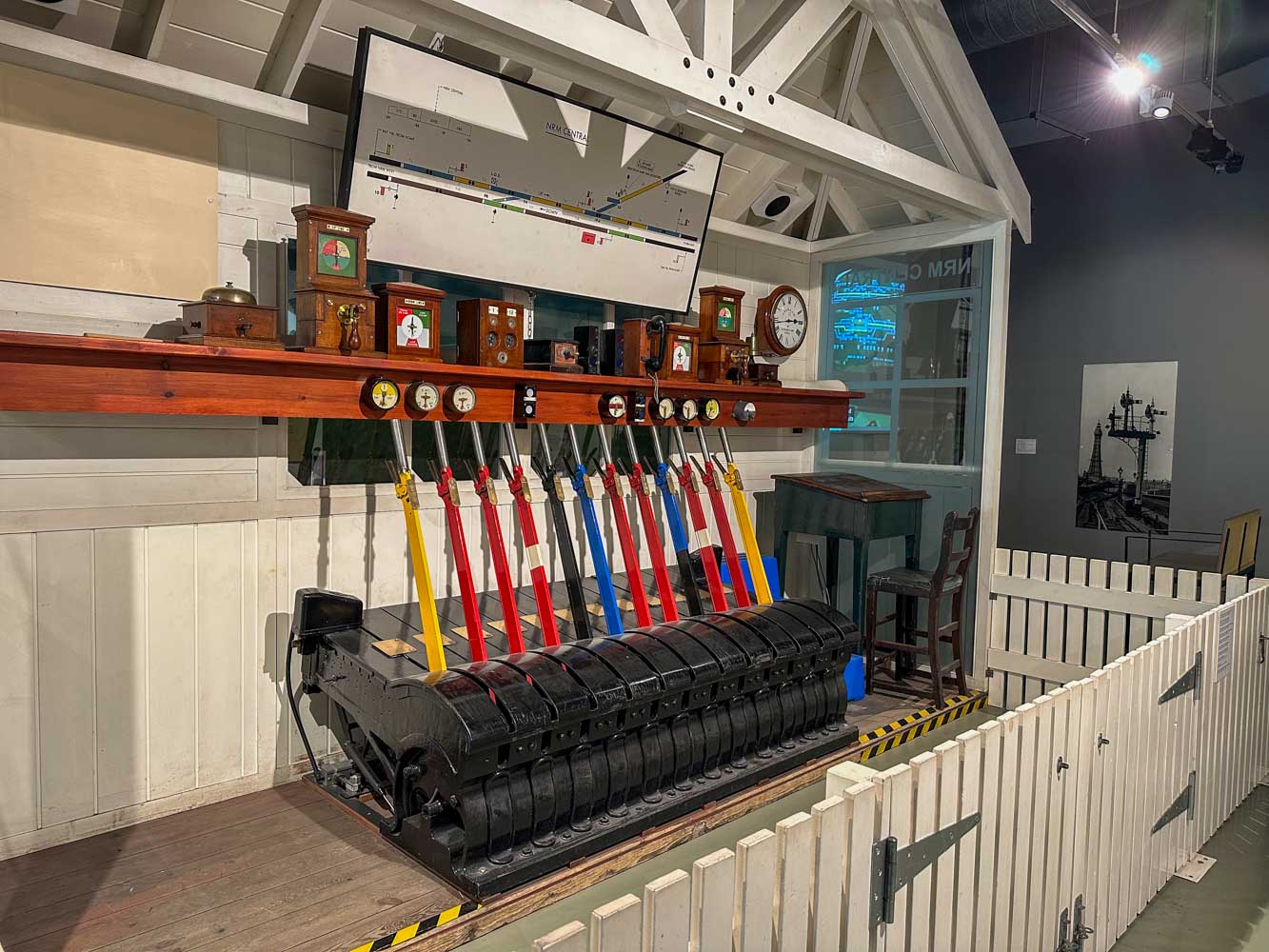
But before we started our journey back, we visited the National Railway Museum in York. This museum is the kind that you cannot see in just an hour. So we took our time and spent several hours walking around.
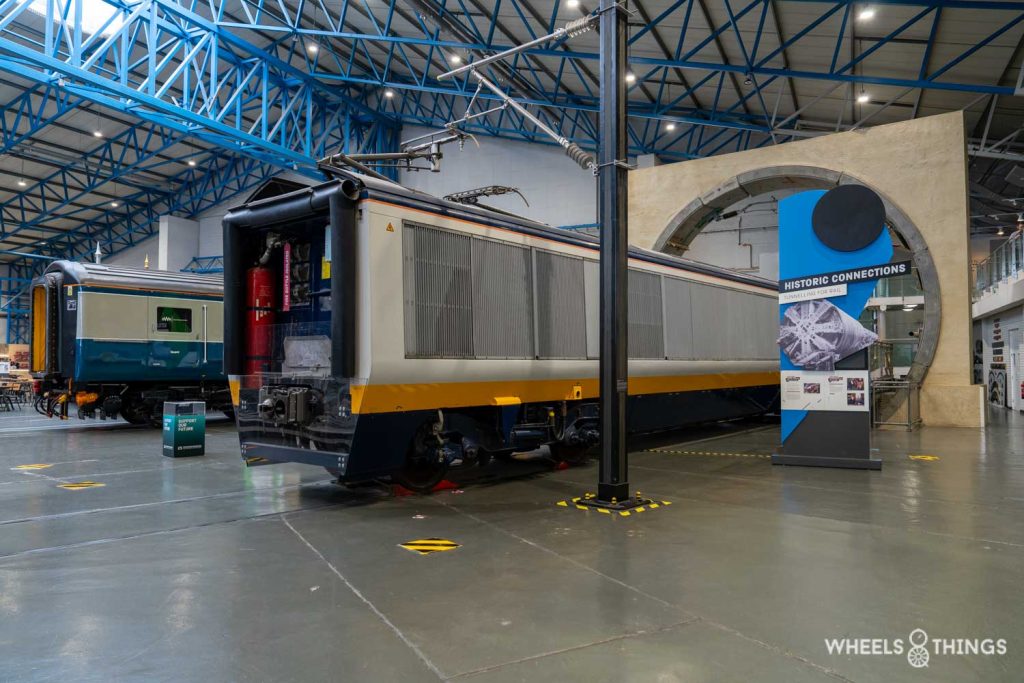
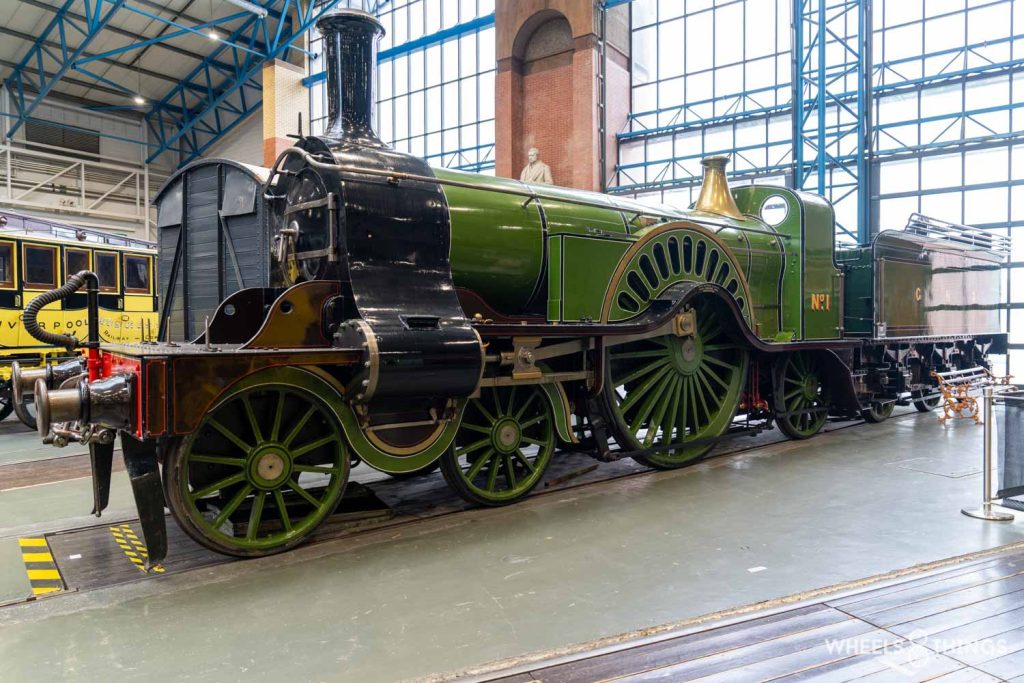
The entire history of British railways is on display. The museum is interactive and interesting for young and old alike. Best of all, admission to the museum is free. So if you’re in the area, be sure to stop by.
We also make short videos of our trips. Much of the footage comes from the GoPro mounted on our car and the drone. You can view the results above or on the YouTube channel of Wheels-And-Things.com.